No products in the cart.

Explore Careers in Nursing Informatics: Opportunities & Skills
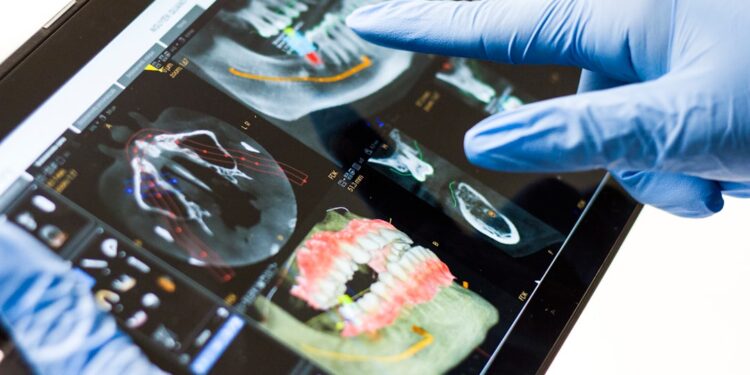
Discover the evolving field of nursing informatics, high-paying roles, and essential skills needed for success in digital healthcare.

“`html
The Digital Transformation of Healthcare: Nurses at the Forefront
Nurses make up 54 percent of the healthcare workforce in Australia, highlighting their vital role in any healthcare transformation. As digital health technologies, like electronic health records (EHRs) and wearable sensors, become integral to patient care, nurses are evolving from end-users to key players in shaping clinical practices. The rise of clinical decision support systems, telehealth platforms, mobile health apps, and AI-driven analytics is changing how information flows, decisions are made, and outcomes are evaluated.
For frontline nurses, technology offers benefits like faster charting, real-time alerts, and tools that help patients manage chronic conditions from home. However, this comes with challenges. Nurses, already managing heavy patient loads, must learn to navigate a growing array of software, data standards, and interoperability protocols. This challenge is not just technical; it also requires a cultural shift. Nurses must translate clinical nuances into digital formats while maintaining the empathy essential to their role.
Nursing informatics bridges clinical practice and technology. By placing nurses at the center of patient care and information management, healthcare systems can ensure that technology supports rather than dictates care. The Australian Primary Health Care Nurses Association (APNA) stresses that digital advancements will enhance, not replace, human interaction—advanced chatbots and realistic avatars cannot provide true compassion. This means nurses must design workflows, ensure data integrity, and advocate for user-friendly interfaces that reflect real care delivery.
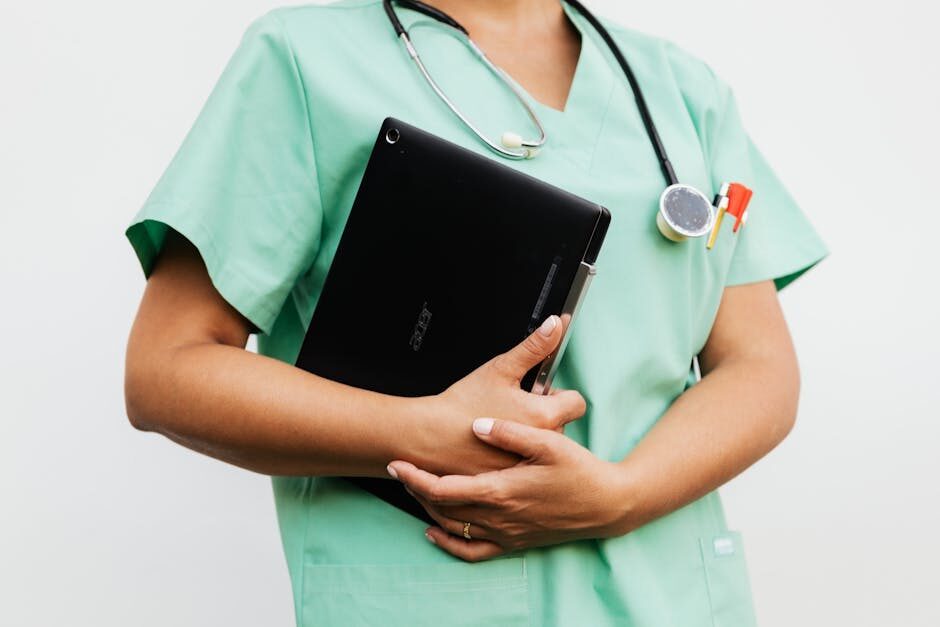
Unlocking Opportunities: High-Paying Roles in Nursing Informatics Nursing informatics is becoming a key career path, with hospitals and agencies competing for professionals who blend clinical knowledge with data skills.
Unlocking Opportunities: High-Paying Roles in Nursing Informatics
Nursing informatics is becoming a key career path, with hospitals and agencies competing for professionals who blend clinical knowledge with data skills. High-demand roles include Informatics Nurse Specialists, Clinical Analysts, and Health-IT Project Managers, which offer salaries higher than traditional nursing roles due to the unique skill set required.
Informatics Nurse Specialists connect clinical units with IT departments. They assess workflows, configure EHR modules, and lead training to implement system upgrades effectively. Clinical Analysts, often with nursing backgrounds, analyze data to create dashboards that highlight trends in medication safety, readmission rates, and population health. Their insights directly support quality improvement and reimbursement strategies.
You may also like
 AI & Technology
Universities grapple with funding squeeze and tech‑driven redesign
Institutions that embed analytics into decision‑making are already seeing enrollment volatility.
Read More →Health-IT Project Managers, traditionally engineering roles, increasingly benefit from nursing perspectives. They manage telehealth service rollouts, ensure compliance with privacy laws, and coordinate teams to meet deployment deadlines. This shift underscores the growing value of nurses who understand both technology and patient advocacy.

Organizations that integrate nursing informatics report better EHR adoption, fewer documentation errors, and higher patient satisfaction. In a value-based care environment, the ability to leverage data is a competitive advantage recognized by senior executives as essential to their digital strategies.
Preparing for Tomorrow: Essential Skills and Pathways in Nursing Informatics
Success in nursing informatics requires a mix of technical and interpersonal skills. Practitioners need to understand health-information standards like HL7 and FHIR, navigate analytics tools, and assess cybersecurity measures. They must also analyze large datasets, identify trends, and convert findings into actionable steps. Strong communication skills are crucial for explaining complex technical ideas to clinicians and collaborating with IT teams.
Academic programs now reflect the growth of this field. Postgraduate degrees in nursing informatics, offered by institutions like Victoria University, provide structured curricula that cover health policy, data science, and change management. Courses typically include EHR architecture, clinical decision support, telemedicine, and AI applications, all grounded in real-world examples. For nurses with a bachelor’s degree, graduate certificates or master’s programs offer flexible options for advancement.

Preparing for Tomorrow: Essential Skills and Pathways in Nursing Informatics Success in nursing informatics requires a mix of technical and interpersonal skills.
Professional certification can also enhance career prospects. Organizations like the American Nurses Credentialing Center (ANCC) and the Healthcare Information and Management Systems Society (HIMSS) offer credentials that validate expertise in informatics and health IT leadership. While not mandatory, certification is increasingly seen as a sign of commitment and skill, especially for senior positions.
The field of nursing informatics is rapidly evolving. AI and machine learning are transitioning from pilot projects to essential decision-support tools, requiring nurses to assess algorithmic bias and ensure ethical use while maintaining patient trust. Wearable health technologies are producing continuous data, necessitating real-time analytics and quick response strategies. Telehealth, accelerated by the pandemic, is now a permanent aspect of care delivery, requiring seamless integration with existing systems.
You may also like
 AI & Technology
AI‑driven skill churn reshapes career capital
A measurable share of mid‑skill roles face redesign, prompting a race between talent pipelines and corporate retraining.
Read More →For CEOs leading healthcare transformations, the message is clear: investing in nursing informatics talent is crucial. This discipline helps organizations maximize digital investments, protect data integrity, and keep compassion at the core of technology-driven care. As innovation accelerates, nurses who can blend technical skills with empathy will shape future health outcomes.
“`