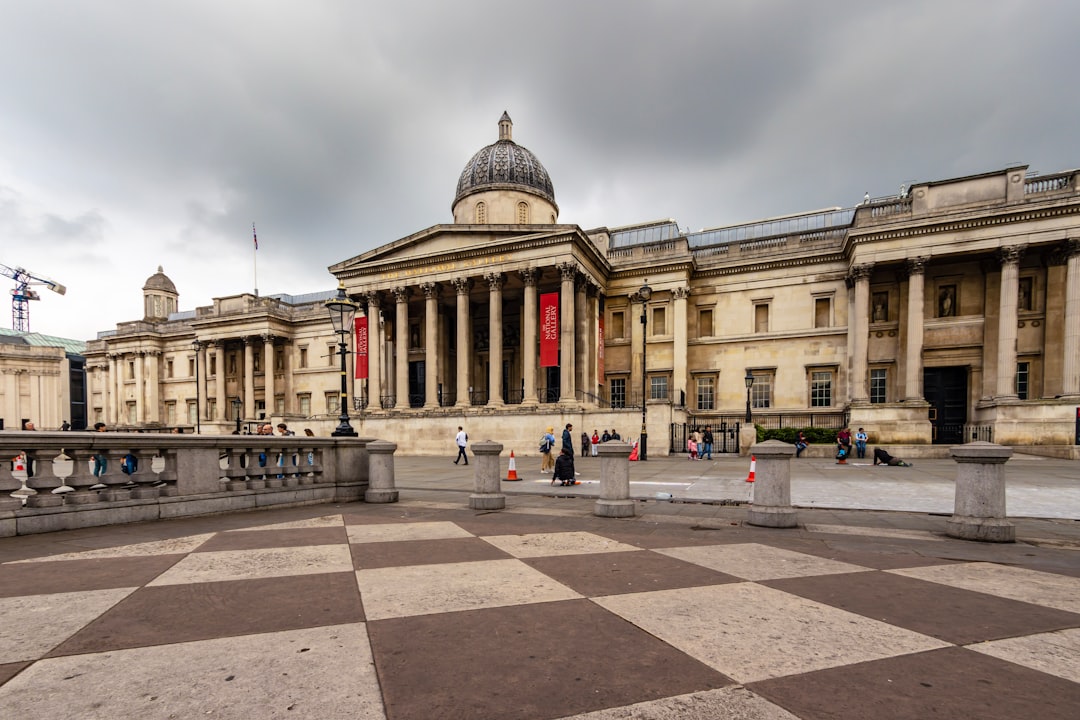
The National Gallery in the UK is facing an alarming funding crisis that could significantly impact public access to its vast collection of art. With a projected deficit of £8.2 million for the upcoming year, the gallery is considering cuts that could reduce the number of free exhibitions and increase ticket prices. This situation has sparked a debate about the value of public funding for cultural institutions and what it means for the future of art accessibility.
Art institutions like the National Gallery have historically relied on public funding to maintain free access to their collections. However, recent financial difficulties have prompted discussions about the sustainability of this model. The gallery’s visitor numbers have dropped from 6 million to 3.8 million in the past year, a decline attributed to ongoing recovery from the pandemic and increasing operational costs.
In addition to the National Gallery’s challenges, the broader cultural sector is feeling the strain. Institutions like the Tate and the Royal Academy have also reported job losses and funding cuts, highlighting a systemic issue within the UK’s cultural funding landscape. As the government prioritizes spending in other areas, the arts may be left to fend for themselves.
The Impact of Funding Cuts on Public Access
The proposed cuts at the National Gallery could lead to fewer free exhibitions and higher ticket prices, which would disproportionately affect those who rely on public access to art. According to a recent editorial in The Guardian, maintaining free access to great art must remain a priority, as culture plays a vital role in the country’s wellbeing and tourism.
If access to art becomes limited, opportunities for inspiration, education, and networking may dwindle.
For young professionals and aspiring artists, this funding crisis poses significant challenges. If access to art becomes limited, opportunities for inspiration, education, and networking may dwindle. The gallery’s commitment to free admission has been a cornerstone of its identity, and any shift away from this principle could alter the landscape of art appreciation in the UK.
 Industry & Global Trends
The Impact of Sequoia and Nvidia’s Funding on Robotics Jobs
Sequoia Capital and Nvidia's $60 million investment in Mecka AI is set to transform the robotics job market, creating new opportunities for skilled professionals in…
Read More →Moreover, the potential for job losses within the gallery could have ripple effects throughout the art community. As institutions tighten their belts, positions that support educational programs, community outreach, and exhibitions may be at risk. This could lead to fewer resources for emerging artists and a decline in public engagement with the arts.
How to Support Public Access to Art
As the National Gallery navigates this funding crisis, there are actionable steps individuals can take to support public access to art:
- Advocate for Public Funding: Write to your local representatives urging them to prioritize funding for cultural institutions. Highlight the importance of access to art for community wellbeing.
- Engage with Local Art Communities: Attend exhibitions, workshops, and events at local galleries and cultural institutions. Your participation can help sustain these organizations during tough financial times.
- Support Fundraising Initiatives: Contribute to fundraising campaigns aimed at preserving public access to art. Many institutions have initiatives designed to raise funds specifically for educational programs and free exhibitions.
- Spread Awareness: Use social media to raise awareness about the funding crisis at the National Gallery and similar institutions. Share articles and information to encourage others to get involved.
However, experts warn that this trend of declining public funding may not be sustainable. A recent report suggests that while public access to art is vital, it is equally important to explore alternative funding models. The reliance on government grants may need to be balanced with private sponsorship and community support to ensure long-term viability.
The Future of Public Access to Art in the UK
The future of public access to art in the UK is uncertain as funding crises continue to affect major cultural institutions. With ongoing discussions about budget allocations, the arts community must advocate for its value in society. The National Gallery’s predicament may serve as a wake-up call for policymakers to recognize the importance of cultural funding.
A recent report suggests that while public access to art is vital, it is equally important to explore alternative funding models.
As we look ahead, the question remains: how can the arts community adapt to ensure that access to culture is preserved for future generations? The answer may lie in a collaborative approach that combines public funding with innovative private partnerships, ensuring that art remains accessible to all.
Written by Career Ahead AI. AI can make mistakes, so verify key facts. Report errors to support@careeraheadonline.com.