No products in the cart.

Exploring the Future of Biofabrication: 3D Printing with Living Cells
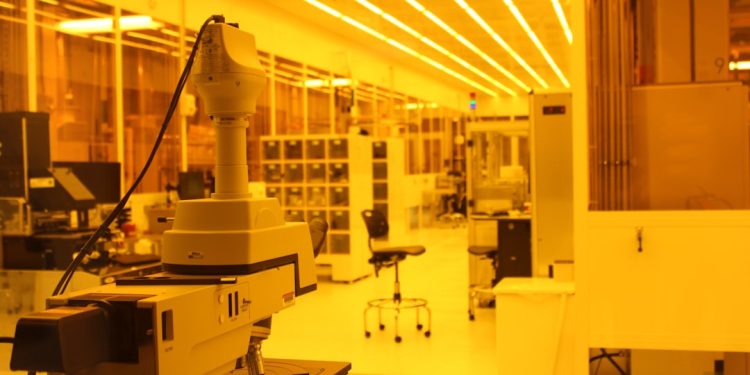
Biofabrication using 3D printing is poised to transform healthcare, offering new career opportunities in biotechnology and materials science.

As the field of biotechnology continues to evolve, biofabrication is emerging as a groundbreaking area with significant implications for healthcare and career development. This innovative process utilizes 3D printing technology to create living tissues and organs, potentially revolutionizing the way medical treatments are developed and delivered.
On October 24, 2025, a report by the National Institute of Health highlighted the advancements in biofabrication, particularly the integration of living cells with materials science. This development is crucial not only for medical applications but also for creating new career opportunities in the biotechnology sector.
Why Biofabrication Matters for Career Development
Biofabrication is set to redefine the landscape of healthcare by enabling the production of personalized tissues and organs. This technology can significantly reduce the reliance on organ donors, addressing the critical shortage of transplantable organs. According to the National Institute of Health, the global market for biofabrication is projected to reach $5.6 billion by 2030, reflecting a compound annual growth rate of 26.5% from 2023 to 2030.
The implications for career development are profound. As the demand for skilled professionals in biotechnology grows, educational institutions are increasingly offering specialized programs in biofabrication and related fields. This shift not only enhances professional growth opportunities but also fosters innovation in healthcare solutions.
As the demand for skilled professionals in biotechnology grows, educational institutions are increasingly offering specialized programs in biofabrication and related fields.
Context and Scale of Biofabrication
The biofabrication market is rapidly expanding, driven by advancements in 3D printing technology and materials science. This industry has the potential to impact millions of lives by providing alternative solutions for tissue engineering and regenerative medicine. According to a report from MarketsandMarkets, the biofabrication market is expected to grow significantly, highlighting the increasing interest and investment in this field.
You may also like
 Industry & Global Trends
Cygni Energy, Indus Towers Unite for Telecom Energy Storage
Cygni Energy and Indus Towers have signed a Memorandum of Understanding to develop energy storage solutions for telecom infrastructure, marking a significant step towards sustainability…
Read More →Dr. Emily Chen, a Senior Researcher at the National Institute of Health, stated, “The integration of 3D printing with living cells is a game-changer for the medical field. It opens up new avenues for creating complex tissues that can mimic the natural environment of human organs, which is essential for effective treatments and drug testing.” This sentiment reflects the broader consensus among researchers about the transformative potential of biofabrication.

Challenges and Opportunities in Biofabrication
Despite the promising advancements in biofabrication, several challenges remain. One of the primary hurdles is ensuring the biocompatibility of the materials used in 3D printing. Researchers are continually working to develop bioinks that can support cell growth and function while maintaining structural integrity. Additionally, regulatory hurdles regarding the approval of biofabricated products can slow down the pace of innovation.
However, these challenges also present opportunities for professionals in the field. As the industry grows, there will be a heightened need for experts in materials science, biomedical engineering, and regulatory affairs. Educational institutions are responding by developing interdisciplinary programs that equip students with the necessary skills to thrive in this evolving landscape.
Future Prospects in Biofabrication and Career Paths
Looking ahead, the future of biofabrication is bright, with numerous applications on the horizon. From creating custom prosthetics to developing organoids for drug testing, the possibilities are vast. As the technology matures, we can expect to see increased collaboration between academic institutions, research organizations, and industry leaders, driving further innovation.
Educational institutions are responding by developing interdisciplinary programs that equip students with the necessary skills to thrive in this evolving landscape.
Career paths in biofabrication will likely expand, encompassing roles such as biofabrication engineers, tissue engineers, and regulatory specialists. These roles will require a combination of technical expertise and creativity, as professionals will need to think critically about how to apply biofabrication techniques to real-world problems.
In conclusion, the advancements in biofabrication through 3D printing with living cells are not only reshaping the healthcare landscape but also creating exciting career opportunities in biotechnology. As the industry continues to evolve, professionals equipped with the right skills will be at the forefront of this transformative movement, driving innovation and improving patient outcomes.
You may also like
 AI & Technology
Beam Unveils Affordable AI Model to Disrupt Competitors
Reflection AI's Beam model, launched on October 5, 2026, is set to disrupt the AI market by offering a cost-efficient alternative to leading Chinese models.…
Read More →