No products in the cart.

Extreme Heat Forces Schools in the UK and France to Rethink Operations

The extreme heat wave across Europe has prompted urgent discussions in the UK and France about school operations. With limited air-conditioning in many schools, administrators are facing pressure from parents and teachers to ensure student safety. This situation highlights the urgent need for policy adaptations and infrastructure improvements to manage climate-related challenges effectively.

Extreme heat has gripped Europe, leading to significant challenges for schools in the UK and France. As temperatures soar, discussions intensify about whether to keep schools open or close them to protect students. The debate is fueled by the lack of air-conditioning in many educational institutions, raising concerns among parents and educators alike.
In the UK, the heat wave has led to unprecedented temperatures, with some areas experiencing records not seen in decades. Schools, many of which are old and lack modern cooling systems, are struggling to provide a safe learning environment. Parents express worry about their children’s health, while teachers are faced with the daunting task of managing classrooms under sweltering conditions.
The Impact of Extreme Heat on School Policies
Career Ahead’s analysis indicates that the ongoing heat wave has prompted school administrators in both countries to reconsider their operational policies. In the UK, some schools are opting to close or shift to remote learning to ensure student safety. This decision is not taken lightly, as it disrupts the academic calendar and poses challenges for working parents.
In France, the situation mirrors that of the UK. Schools are grappling with similar dilemmas, as the government has issued guidelines to protect students during extreme heat. However, many schools lack the necessary infrastructure, such as air-conditioning, to keep students comfortable and safe. According to data from allplacesmap.com, only a fraction of schools in the UK and France are equipped with adequate cooling systems, leaving a significant number of students vulnerable during heat waves.
The debate over remote learning options has also gained traction. Some educators argue that learning from home during extreme heat is a viable solution, while others believe that in-person instruction is crucial for student engagement. The challenge lies in balancing the need for education with the imperative to protect student health.
Some educators argue that learning from home during extreme heat is a viable solution, while others believe that in-person instruction is crucial for student engagement.
Furthermore, Career Ahead analysis finds that the lack of air-conditioning in schools is a long-standing issue that needs urgent attention. As climate change continues to exacerbate heat waves, educational institutions must prioritize infrastructure improvements to safeguard student welfare. The current situation highlights the pressing need for long-term policy adaptations that address climate-related challenges in education.
Parental and Teacher Concerns Amidst Rising Temperatures
As temperatures rise, parental concerns about student health and safety are at an all-time high. Many parents are questioning the adequacy of school responses to extreme heat, prompting them to advocate for more proactive measures. They are calling for better cooling systems and policies that prioritize student well-being during heat waves.
Teachers, too, are feeling the pressure. With classrooms becoming increasingly uncomfortable, educators are struggling to maintain focus and engagement among students. The lack of air-conditioning not only affects learning but also raises concerns about heat-related illnesses. The situation is particularly challenging for teachers who are responsible for managing large groups of students in sweltering conditions.
According to pbs.org, the extreme temperatures have led to a spike in health-related incidents among students, further intensifying the urgency for schools to adapt. Reports of heat exhaustion and dehydration have raised alarms, prompting some schools to consider early dismissals or temporary closures. This shift in approach reflects a growing recognition of the importance of student welfare in the face of climate challenges.
In response to these concerns, some school districts are exploring partnerships with local governments to provide temporary cooling centers for students.

In response to these concerns, some school districts are exploring partnerships with local governments to provide temporary cooling centers for students. This initiative aims to ensure that students have a safe space to retreat during the hottest parts of the day. However, logistical challenges remain, as not all areas have accessible facilities to accommodate students.
Long-Term Implications for Education and Infrastructure
The current heat wave serves as a wake-up call for educational institutions in both the UK and France. The challenges faced by schools highlight the urgent need for infrastructure improvements and policy changes to address climate-related issues. Career Ahead research identifies that without significant investments in cooling systems, schools will continue to struggle during extreme weather events.
In the long run, this situation may lead to a reevaluation of school design and construction standards. As climate change effects become more pronounced, educational institutions may need to incorporate climate resilience into their planning. This could include not only air-conditioning but also better insulation and ventilation systems to create comfortable learning environments.
Moreover, the ongoing debate about remote learning options may reshape educational practices in the future. If extreme heat continues to pose a threat, schools may adopt hybrid models that combine in-person and remote learning. This flexibility could provide a solution to ensure educational continuity while prioritizing student health.
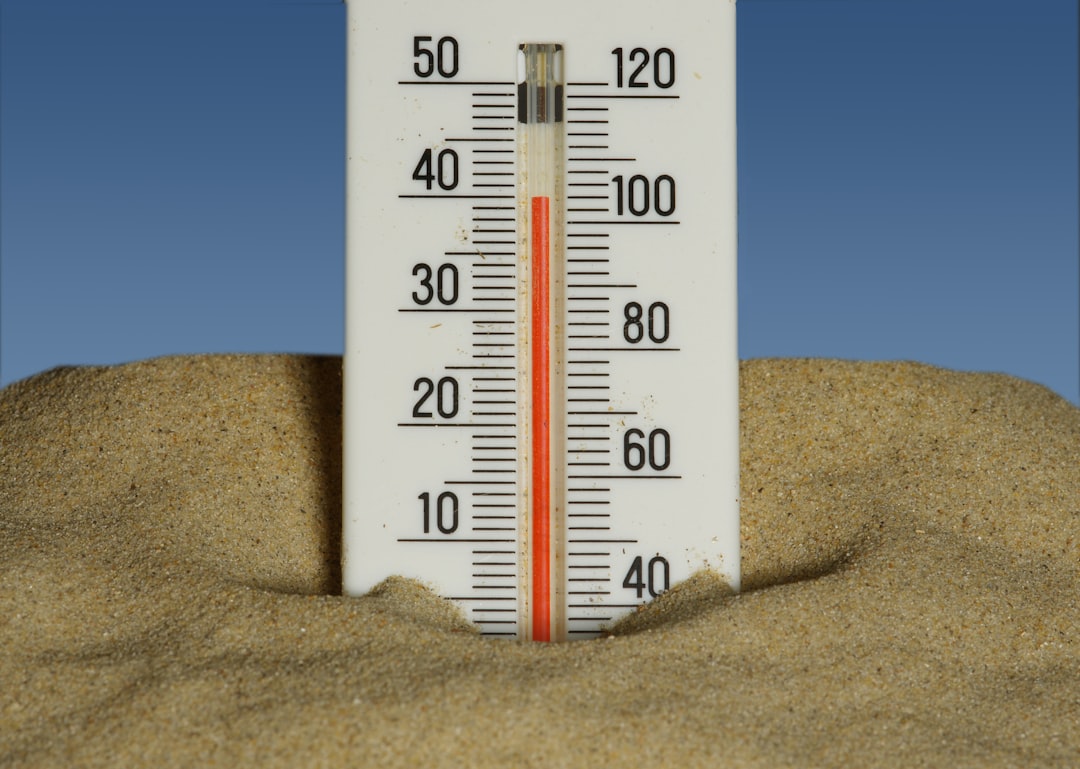
As climate change continues to impact education, the need for proactive measures will only grow.
As the situation evolves, school administrators and policymakers must remain vigilant. The current heat wave is not an isolated incident but a reflection of a broader trend linked to climate change. Addressing these challenges will require collaboration among educators, parents, and government officials to create effective solutions that prioritize student welfare.
The implications of this heat wave extend beyond immediate concerns. As climate change continues to impact education, the need for proactive measures will only grow. Schools must be prepared to adapt to changing conditions to ensure the safety and well-being of their students.
Frequently Asked Questions
What are the best practices for schools during extreme heat?
Best practices include implementing flexible schedules, providing access to cooling areas, and considering temporary closures if temperatures become dangerously high. Schools should prioritize student health and safety in their decision-making.
How can teachers support students in hot classrooms?
Teachers can support students by encouraging hydration, allowing breaks, and using creative teaching methods that require less physical activity. Creating a comfortable learning environment is essential for maintaining focus.

What should school administrators consider when deciding to close schools during heat waves?
Administrators should assess temperature forecasts, evaluate the availability of cooling resources, and consider the health risks to students. Collaboration with local health authorities can provide valuable guidance in these situations.
Related Articles
- AI Export Boom to Offset Oil Price Shocks
Written by Career Ahead AI. AI can make mistakes, so verify key facts. Report errors to support@careeraheadonline.com.