No products in the cart.

F.D.A. Investigates Cyclospora Outbreak Linked to Mexican Farms

The F.D.A.'s investigation into a Cyclospora outbreak linked to farms in Mexico has significant implications for food safety inspectors and agricultural producers. As regulatory scrutiny increases, compliance and traceability within the food supply chain become paramount.

The U.S. Food and Drug Administration (F.D.A.) is investigating a Cyclospora outbreak linked to lettuce from Taylor Farms in Mexico. This investigation follows reports of illnesses at Taco Bell locations in several states. The F.D.A. plans to inspect the farms and a lettuce shredding facility involved in this supply chain.
This outbreak has already sickened thousands, according to the Centers for Disease Control and Prevention (CDC). The agency reported that the contaminated lettuce was served at Taco Bell restaurants in at least five states. This investigation raises concerns about food safety practices and regulatory compliance in agriculture.
Increased Scrutiny on Food Safety Regulations
The F.D.A.’s investigation marks a shift toward stricter food safety regulations in the U.S. The agency is focusing on the entire supply chain, from farms in Mexico to processing facilities for fast-food chains. This approach aims to find the exact source of contamination and prevent future outbreaks.
Career Ahead’s analysis shows that this increased scrutiny may lead to more rigorous inspections. Inspectors will likely check farms, processing plants, and distribution centers more frequently. They will verify compliance with regulations to ensure food products are safe for consumption.
As a result, agricultural producers may need to change their practices to meet new standards. This could involve better hygiene practices, improved record-keeping for traceability, and investing in technology to track food products from farm to table. The goal is to create a safer food supply that reduces contamination risks.
Furthermore, the investigation could lead to policy changes at the federal level. If serious lapses in food safety protocols are found, the F.D.A. may enact stricter regulations. This could reshape how food is produced and inspected in the U.S. Food safety inspectors will need to stay informed about these evolving regulations.
As a result, agricultural producers may need to change their practices to meet new standards.
In this environment of increased scrutiny, food safety inspectors will play a crucial role in protecting public health. Their responsibilities may expand to include more detailed audits and assessments of agricultural practices. This ensures that producers follow the highest safety standards.
Potential Changes in Agricultural Practices
The Cyclospora outbreak linked to lettuce from Mexican farms shows the need for producers to reassess their practices. As the F.D.A. investigates, producers may be required to implement stricter food safety measures. This includes adopting best practices for hygiene and food handling to reduce contamination risks.
You may also like
 News
NewsColorado Public Colleges Confront Flat Funding and Budget Gaps for FY 2026‑2027
Colorado public colleges approved FY 2026‑2027 budgets that keep tuition low at most campuses while addressing a $1.5 billion state funding shortfall.
Read More →Career Ahead research indicates that producers who do not adapt may face serious consequences. This could include losing contracts with major food service companies, losing consumer trust, and facing legal liabilities from foodborne illnesses. The stakes are high for agricultural producers as they navigate this changing landscape.
Moreover, the demand for traceability in the food supply chain is likely to grow. Consumers are more aware of food safety issues and want transparency about where their food comes from. Agricultural producers may need to invest in technologies that improve traceability, such as blockchain or other tracking systems.
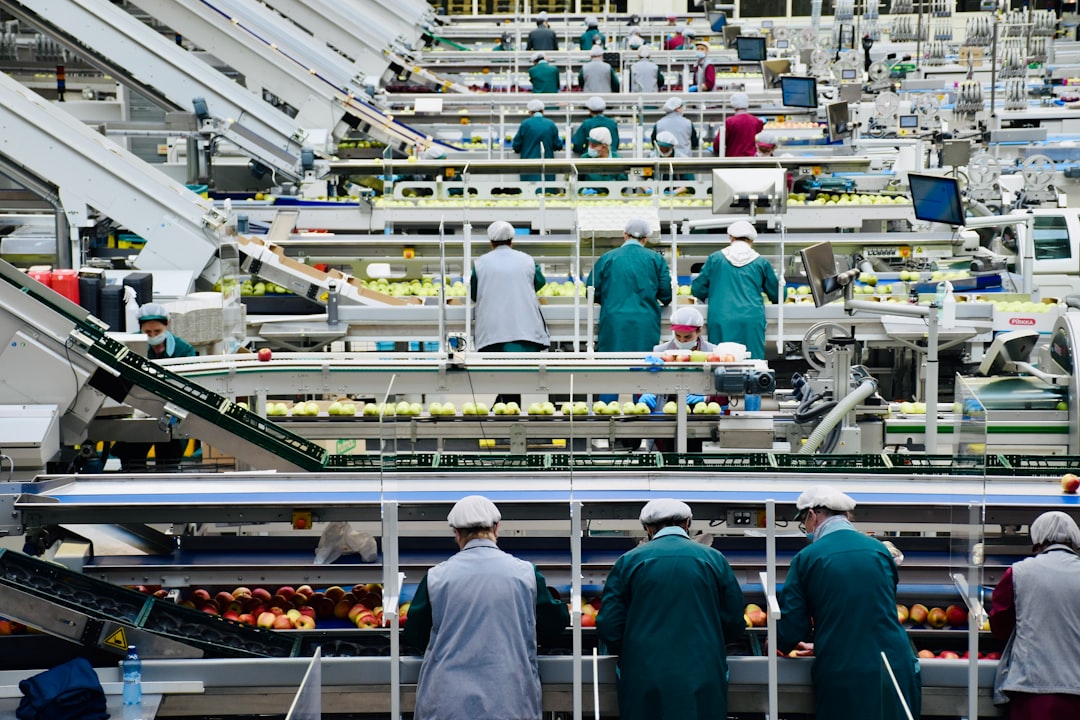
In response to these challenges, many farms may start working with food safety experts to improve compliance strategies.
In response to these challenges, many farms may start working with food safety experts to improve compliance strategies. This partnership can help producers meet regulatory expectations and enhance food safety protocols. Farms that prioritize compliance may gain a competitive edge in the market.
Ultimately, the Cyclospora investigation serves as a wake-up call for the agricultural sector. It highlights the importance of proactive measures to prevent foodborne illnesses and ensure food safety.
As the investigation continues, the implications for food safety inspectors and agricultural producers will become clearer. The F.D.A.’s findings may lead to new regulations and practices that change the industry. Food safety inspectors will need to adapt to these changes and be ready for increased responsibilities.
In the coming months, all stakeholders in the food supply chain must stay informed about the investigation’s outcomes. The lessons learned from this outbreak could have lasting effects on food safety practices and policies in the U.S. This may influence how food is produced and inspected for years to come.
Food safety inspectors should stay updated on changing regulations and best practices.
Frequently Asked Questions
What are the latest food safety regulations for agricultural producers?
Career Ahead’s analysis shows that recent outbreaks have prompted the F.D.A. to consider stricter regulations for agricultural producers. This includes enhanced traceability requirements and stricter hygiene standards to prevent contamination.
You may also like
 News
NewsFederal Reserve Holds Benchmark Rate at 3.50‑3.75% Amid Concerns Over Education Funding
The Federal Reserve held its benchmark rate at 3.50%‑3.75% in July 2026, a move that keeps student loan interest rates and school borrowing costs stable.
Read More →How can food safety inspectors prepare for increased inspections?
Food safety inspectors should stay updated on changing regulations and best practices. As inspections become more frequent, they may benefit from additional training in compliance verification and risk assessment techniques.

What should agricultural producers do to ensure compliance with new food safety standards?
Producers should evaluate their current practices and make necessary changes to meet new regulations. This includes investing in technology for traceability and working with food safety experts to enhance compliance strategies.