No products in the cart.

Fed Chairman Seeks to Calm Concerns About Elevated Inflation

Warsh emphasized the Fed's proactive approach to inflation, stating that it remains a top priority. His speech highlighted the importance of maintaining price stability while fostering economic growth. This dual focus is critical as the U.S. economy continues to recover from the impacts of the pandemic.

Washington, USA — Fed Chairman Kevin Warsh recently addressed concerns regarding elevated inflation during a speech at the Jackson Hole Economic Symposium. His remarks aimed to reassure markets about the Federal Reserve’s commitment to managing inflation effectively. Analysts and economists are closely monitoring these developments as they influence interest rates and economic forecasts.
Warsh emphasized the Fed’s proactive approach to inflation, stating that it remains a top priority. His speech highlighted the importance of maintaining price stability while fostering economic growth. This dual focus is critical as the U.S. economy continues to recover from the impacts of the pandemic. According to a report by CNBC, Warsh acknowledged that inflation rates have surged beyond the Fed’s target, prompting a need for decisive action to restore balance in the economy.
Warsh’s Commitment to Inflation Management
In his speech, Warsh outlined the Fed’s strategy for addressing inflation concerns. He acknowledged that inflation rates have exceeded the Fed’s target, which has raised alarms among investors and economists alike. Warsh assured stakeholders that the Fed is prepared to take necessary actions to curb inflation, including potential interest rate hikes. As reported by Reuters, Warsh’s comments reflect a growing consensus within the Fed that inflation poses a significant challenge that must be addressed to ensure long-term economic stability.
Career Ahead’s analysis finds that the Fed’s inflation management strategy is likely to lead to a series of interest rate adjustments over the coming months. Analysts should prepare for a more aggressive stance from the Fed as it seeks to rein in inflation. This could mean increased volatility in financial markets as investors react to changing interest rates. Furthermore, the Fed’s approach may involve a combination of interest rate hikes and adjustments to its asset purchase program, which could further influence market dynamics.
Moreover, Warsh’s comments suggest that the Fed is not solely focused on short-term inflation metrics but is also considering long-term economic implications. By addressing inflation proactively, the Fed aims to maintain consumer confidence and promote sustainable growth. The challenge lies in balancing these objectives without stifling economic recovery. Analysts are urged to consider how rising interest rates may impact sectors such as housing and consumer spending, which are sensitive to borrowing costs.
Career Ahead’s analysis finds that the Fed’s inflation management strategy is likely to lead to a series of interest rate adjustments over the coming months.
You may also like
 News
NewsBritain’s Railways Face Heat Challenges
The recent derailment near Lewes, which injured 30 people, underscores the vulnerabilities in the railway system during extreme heat.
Read More →The implications of Warsh’s speech extend beyond immediate market reactions. Financial analysts must now recalibrate their models to account for potential interest rate changes. Those who have relied on a stable interest rate environment may need to adjust their forecasts to reflect a more dynamic economic landscape. As Warsh continues to navigate these challenges, his leadership will be crucial in shaping the Fed’s response to inflation. Analysts should monitor upcoming statements and data releases closely, as these will provide further insights into the Fed’s strategy and its implications for the economy.
Impact on Economic Growth Projections
Warsh’s speech also touched on the broader economic implications of inflation management. He indicated that while the Fed is committed to controlling inflation, it must also consider the potential impact on economic growth. Balancing these two objectives is a complex task that requires careful monitoring of economic indicators. As noted in the analysis by Career Ahead, the Fed’s approach to inflation could lead to slower economic growth in the short term. Analysts should be prepared for potential downward revisions in GDP forecasts as the Fed implements its inflation control measures.
This could affect various sectors, particularly those sensitive to interest rate changes. For instance, the housing market may experience a slowdown as higher interest rates impact mortgage affordability. Similarly, consumer spending could be affected as borrowing costs rise, leading to reduced demand in the retail sector. Analysts need to consider these factors when developing economic forecasts. The potential for a deceleration in economic growth raises questions about the Fed’s ability to strike a balance between curbing inflation and fostering recovery.
Moreover, Warsh’s commitment to transparency in the Fed’s decision-making process is significant. Clear communication regarding inflation management strategies will help set market expectations and reduce uncertainty. Analysts who stay informed about these developments will be better equipped to adapt their strategies in response to changing economic conditions. The Fed’s willingness to engage with the public and provide insights into its decision-making process is likely to enhance credibility and trust among market participants.
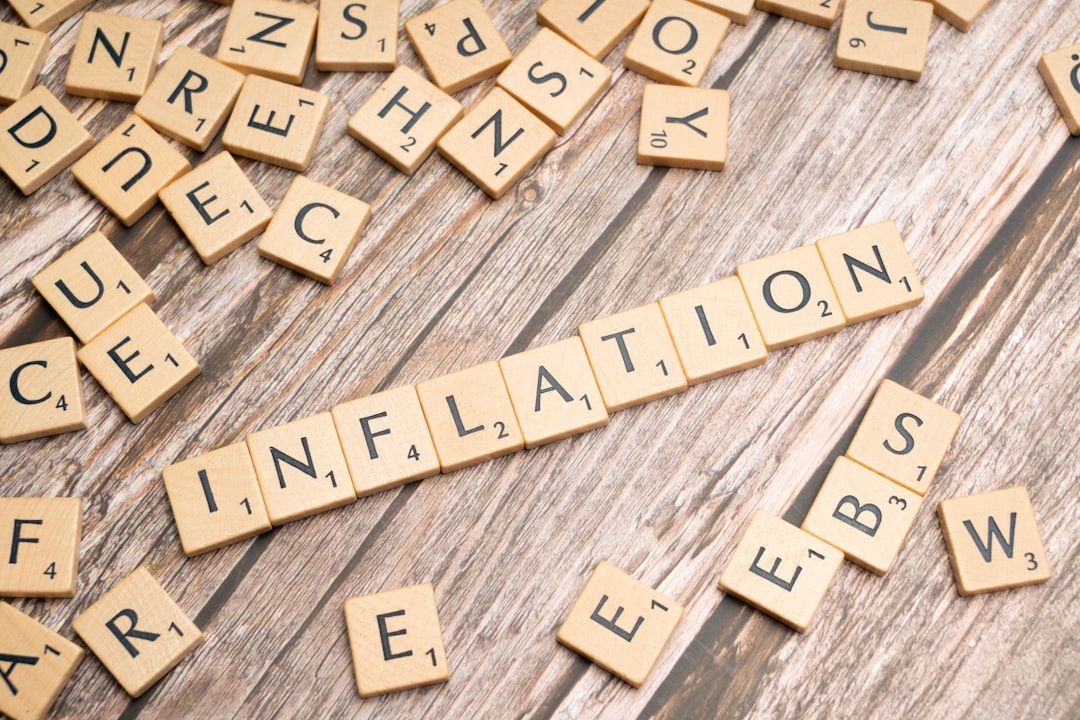
The Fed’s actions in the coming months will play a critical role in shaping economic growth and market dynamics.
In summary, Warsh’s speech signals a pivotal moment for the Fed and the U.S. economy. As inflation concerns persist, analysts must remain vigilant and responsive to the evolving landscape. The Fed’s actions in the coming months will play a critical role in shaping economic growth and market dynamics. The interplay between inflation management and economic recovery will be a key focus for analysts as they navigate this uncertain environment.
Looking ahead, financial analysts should pay close attention to the Fed’s upcoming meetings and economic data releases. The next Federal Open Market Committee (FOMC) meeting will be crucial in determining the trajectory of interest rates and inflation management strategies. Analysts should be prepared for potential announcements regarding interest rate hikes or adjustments to the Fed’s asset purchase program.
You may also like
 News
NewsCanada’s Economy Grows 3.3% Amid Recovery Trends
Canada's economy expanded by 3.3% in Q2 2026, marking the fastest growth since 2023, driven by increased consumer spending and business investment.
Read More →Additionally, key economic indicators such as the Consumer Price Index (CPI) and Producer Price Index (PPI) will provide valuable insights into inflation trends. A sustained increase in these metrics could prompt the Fed to act more aggressively in its inflation management efforts. Furthermore, analysts should consider the potential impact of external factors on inflation, such as supply chain disruptions and geopolitical tensions. These elements can significantly influence inflation rates and the Fed’s response, making it essential for analysts to stay informed about global economic developments.
As the situation evolves, the Fed’s approach to inflation will be a critical factor in shaping the economic landscape. Analysts who can anticipate these changes will be better positioned to advise clients and make informed decisions. In this dynamic environment, the focus on inflation management will not only influence interest rates but also determine the overall health of the U.S. economy. Stakeholders should remain engaged and responsive to the Fed’s actions as they unfold.
Frequently Asked Questions
What are the implications of the Fed’s inflation strategy for financial analysts?
Career Ahead analysis indicates that the Fed’s inflation strategy will lead to increased interest rate volatility. Financial analysts must adjust their forecasts to account for potential rate hikes and their impact on various sectors of the economy.
Economists should consider revising GDP growth projections downward in light of the Fed’s commitment to controlling inflation.
How should economists adjust their forecasts based on the Fed’s recent statements?
Economists should consider revising GDP growth projections downward in light of the Fed’s commitment to controlling inflation. This may involve reassessing the impact of rising interest rates on consumer spending and investment.

What should financial analysts do about rising inflation concerns?
Financial analysts need to stay informed about the Fed’s actions and adjust their financial models accordingly. Monitoring key economic indicators will be crucial for anticipating changes in market conditions.
You may also like
 News
NewsA.I. Attack Defense Window Narrows, Experts Warn
OpenAI and over 100 major technology firms have issued a significant warning regarding the imminent threat of AI-driven cyberattacks, urging immediate action to bolster defenses.
Read More →