No products in the cart.

Fed Rate Hike Raises Borrowing Costs for Investors, Businesses

The Federal Reserve's latest interest rate hike will have significant implications for borrowing costs and investment strategies. Small businesses may face tougher loan approvals, while real estate investors need to reassess mortgage rates. Financial analysts must adapt their forecasts to this changing economic landscape.

The Federal Reserve raised interest rates on September 19, 2026. This move shows a careful approach to managing inflation and economic growth. The decision will affect borrowing costs across many sectors, especially small businesses and real estate investors. The Fed aims to stabilize the economy amid ongoing inflationary pressures.
This rate hike comes as inflation remains a persistent issue. Recent data shows inflation rates exceeding the Fed’s target. The central bank’s decision reflects its commitment to curbing inflation, driven by supply chain disruptions and rising consumer demand. Financial analysts and investors must adjust their strategies to these new economic conditions.
Increased Borrowing Costs for Small Businesses
The latest interest rate hike will directly affect small businesses seeking loans. Higher borrowing costs mean loan approvals may become stricter. This makes it harder for entrepreneurs to secure funding for expansion or operational needs. According to Career Ahead’s analysis, small business owners may see interest rates on loans rise by 1-2 percentage points, significantly impacting their financial planning.
Small businesses often rely on loans for immediate cash flow needs. With the Fed’s decision, many may need to reconsider their financing options. This could slow business growth as owners weigh borrowing costs against potential returns. As noted by thetip.org, small businesses that cannot adapt may struggle to compete in a challenging market.
The tightening of credit could also hit startups and smaller firms harder. These businesses usually have less access to capital than larger corporations. Career Ahead research indicates that sectors like retail and hospitality, which depend on consumer spending, may face significant hurdles in obtaining funding.
This could slow business growth as owners weigh borrowing costs against potential returns.
In summary, the Fed’s interest rate hike could stifle innovation and growth among small businesses. With higher borrowing costs, many may delay or scale back their expansion plans. This could ripple through job creation and economic recovery.
Impact on Real Estate Investment Strategies
Real estate investors are also feeling the impact of the Fed’s decision. The increase in interest rates leads to higher mortgage rates. This can deter potential homebuyers and reduce demand for properties. Career Ahead’s analysis finds that mortgage rates could rise by 0.5-1% in the coming months, making home purchases less affordable.
This market shift could slow real estate transactions in both residential and commercial sectors. Investors may need to adjust their strategies, focusing on properties that yield higher returns despite rising costs. According to kiplinger.com, seasoned investors might look for opportunities in markets less affected by interest rate changes, such as rental properties that provide steady cash flow.
Potential homebuyers may also shift their focus to more affordable housing options or delay purchases altogether. This trend could decrease home prices in certain markets, creating opportunities for investors looking to buy low. However, those who have recently invested in high-value properties may face declines in property values.
The ability to adapt to changing market conditions will be crucial for success in the coming months.
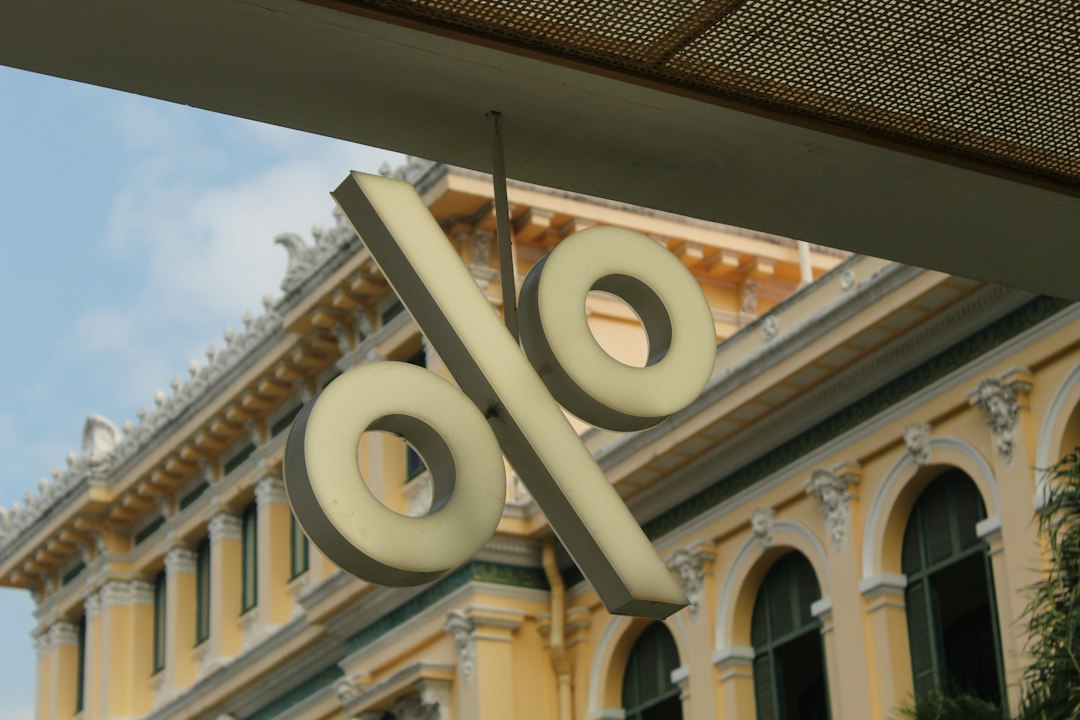
In this environment, real estate investors must remain agile. They should reassess their portfolios and investment strategies. The ability to adapt to changing market conditions will be crucial for success in the coming months.
Financial Analysts Must Reassess Forecasts
The Fed’s interest rate hike requires a reevaluation of financial forecasts across various sectors. Financial analysts must integrate the new interest rate environment into their models. They need to adjust for potential impacts on consumer spending, borrowing costs, and overall economic growth. Career Ahead analysis shows that analysts will need to consider how rising rates may affect corporate profits and consumer behavior.
With higher borrowing costs, analysts should expect a potential slowdown in capital expenditures. Companies may hold back on investments, which could stifle economic growth. Additionally, analysts must monitor inflation trends and consumer confidence, as these will influence market performance.
As the economy adjusts to the new interest rate regime, analysts should also consider sector-specific impacts. Industries that are capital-intensive, like manufacturing and construction, may feel the pinch more acutely. Career Ahead research suggests that analysts focusing on these sectors should prepare for stock price volatility as companies navigate increased borrowing costs.
Career Ahead analysis shows that small business loans will likely see interest rates increase by 1-2 percentage points.
In conclusion, the Fed’s decision to raise interest rates will significantly impact various stakeholders. Small business owners, real estate investors, and financial analysts must understand the relationship between interest rates and market trends. This understanding can help them make informed predictions and adjust their strategies. The coming months will reveal how these changes unfold, and stakeholders should monitor economic indicators and market responses closely.
Frequently Asked Questions
How will the Fed’s interest rate changes affect small business loans?
Career Ahead analysis shows that small business loans will likely see interest rates increase by 1-2 percentage points. This makes it harder for entrepreneurs to secure funding, leading to stricter loan approvals and potential delays in business growth.
What should real estate investors consider after the Fed’s rate hike?
Real estate investors should expect higher mortgage rates, which may reduce demand for properties. They may need to adjust their strategies, focusing on properties that provide steady cash flow or are less affected by interest rate fluctuations.

How can financial analysts adjust their models in response to interest rate changes?
Financial analysts must integrate the new interest rate environment into their forecasts. They should adjust for potential impacts on consumer spending and corporate profits. Sector-specific vulnerabilities, especially in capital-intensive industries, should also be considered.
Written by Career Ahead AI. AI can make mistakes, so verify key facts. Report errors to support@careeraheadonline.com.