Fifteen fertilizer ships successfully crossed the Strait of Hormuz, ensuring a steady supply of essential agricultural inputs to India amidst geopolitical tensions.
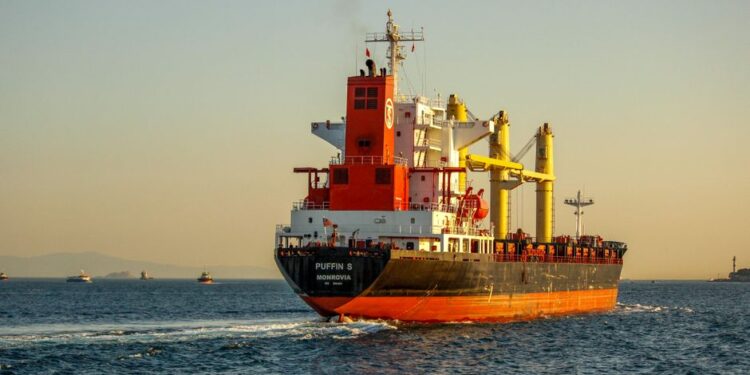
Fifteen fertilizer ships have safely crossed the Strait of Hormuz. This ensures a steady supply of essential agricultural inputs to India. The Ministry of Chemicals and Fertilizers confirmed that these vessels carried urea, DAP, and sulfur. They navigated the region safely despite ongoing geopolitical tensions. This development is crucial for maintaining fertilizer availability in India, especially given recent disruptions in West Asia.
The successful transit of these ships comes at a time of scrutiny for the fertilizer supply chain. As geopolitical tensions rise, reliable shipping routes are vital for logistics managers and analysts. The Indian government has taken proactive measures to ensure an uninterrupted fertilizer supply, which is essential for the agricultural sector.
Impact on Fertilizer Prices and Availability
The safe passage of these fifteen ships is expected to stabilize fertilizer prices in India. Eight vessels transported over 332,000 tonnes of urea. Four carried 257,000 tonnes of DAP, and three held 111,000 tonnes of sulfur. This influx will help mitigate price increases caused by recent global disruptions. The Economic Times reports that this crossing is a pivotal moment for India’s agricultural economy, which has faced challenges due to fluctuating global fertilizer prices.
Career Ahead’s analysis shows that India’s current fertilizer stock is 197.56 lakh tonnes, over 51% of the annual requirement. This is a positive sign for farmers who rely on these inputs for their crops. The government has also diversified its import sources, securing supplies from Oman, Malaysia, and Nigeria. This diversification enhances supply chain stability and reduces dependency on any single route or supplier.
However, while the immediate supply looks promising, long-term geopolitical tensions cannot be ignored. Recent conflicts have already pushed global fertilizer prices higher. Future disruptions could lead to further price hikes. Logistics managers must stay vigilant and prepare for potential fluctuations in availability and pricing. The Ministry of Chemicals and Fertilizers reported that domestic urea production has exceeded targets. In Q1 FY27, production reached 71.55 lakh tonnes, surpassing the target of 67.86 lakh tonnes. This suggests that India is on a path to stabilize its fertilizer supply.
Effective coordination and timely planning are critical in navigating these challenges.
The Ministry of Health and Family Welfare announced on August 1, 2026 a set of reforms for NEET‑PG 2026, including a single‑shift format, 180 questions in 210 minutes,…
Despite these positive developments, the regulatory landscape around shipping routes remains a concern. The government is closely monitoring maritime traffic and has implemented measures to avoid delays in future shipments. Effective coordination and timely planning are critical in navigating these challenges. Moneycontrol highlights that the Indian government assures there will be no supply disruptions, emphasizing its commitment to safeguarding the agricultural sector amidst rising global tensions.
Logistical Challenges and Regulatory Implications
While the successful transit of these fertilizer ships is positive, it highlights logistical challenges in the agricultural sector. The Strait of Hormuz is a vital shipping route, and any disruptions can have far-reaching effects on supply chains. The Indian government has proactively addressed these challenges through diplomatic outreach to secure new supply sources. Reuters reports that the recent successful crossings have alleviated some immediate concerns, but future disruptions remain a pressing issue for logistics managers.
Career Ahead research shows that diversifying import sources is crucial for mitigating risks from geopolitical tensions. By securing supplies from various countries, India can reduce dependence on any single route or supplier. This strategy stabilizes the supply chain and helps maintain competitive pricing for fertilizers. The government’s efforts to engage multiple suppliers indicate a strategic approach to ensure agricultural inputs remain accessible to farmers.
Moreover, the regulatory implications of shipping routes are significant for logistics managers. Increased scrutiny on maritime traffic due to geopolitical tensions means companies must comply with international regulations. This includes understanding legal frameworks governing shipping in conflict-prone areas and adapting logistics strategies. As the situation evolves, logistics managers and supply chain analysts must remain agile. They need to develop contingency plans for possible disruptions in shipping routes. This may involve exploring alternative transportation methods or securing additional storage facilities to buffer against supply fluctuations.
Looking ahead, the interplay between global politics and local agricultural needs will shape the fertilizer supply landscape. The government’s commitment to safeguarding farmers’ interests through timely supply measures will be critical for food security in India. As the global landscape shifts, the resilience of India’s fertilizer supply chain will be tested. The next few months will be crucial for the government to navigate these challenges and ensure farmers have access to the fertilizers they need.
Career Ahead research shows that diversifying import sources is crucial for mitigating risks from geopolitical tensions.
In summary, the successful passage of these fifteen fertilizer ships through the Strait of Hormuz is significant for India’s agricultural sector. It underscores the importance of secure shipping routes and proactive government measures in maintaining a stable supply of essential agricultural inputs. As the global landscape shifts, the resilience of India’s fertilizer supply chain will be tested. The next few months will be crucial for the government to navigate these challenges and ensure farmers have access to the fertilizers they need.
Frequently Asked Questions
What are the implications of the Hormuz Strait for fertilizer logistics?
The Hormuz Strait is a critical shipping route for fertilizer imports to India. Disruptions here could lead to supply shortages and increased prices, impacting farmers and the agricultural sector.
How can supply chain analysts mitigate risks from geopolitical tensions?
Analysts can mitigate risks by diversifying import sources and developing contingency plans for potential disruptions. This approach helps stabilize supply and maintain competitive pricing.
What should logistics managers do to prepare for fluctuations in fertilizer availability?
Logistics managers should monitor geopolitical developments and adapt their strategies. This includes securing alternative transportation routes and ensuring compliance with international regulations.



News

News