No products in the cart.

OPEC+ Ratifies Planned Oil Quota Hike as Gulf Flows Rebound
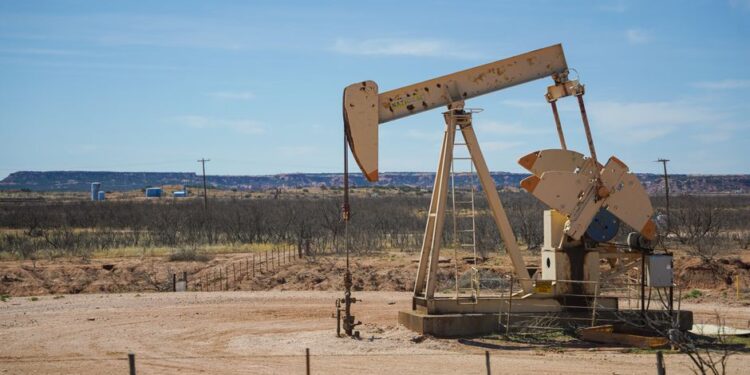
This increase follows a broader trend where OPEC+ aims to reverse the output curbs implemented during the pandemic and geopolitical tensions.

OPEC+ has approved a small increase in oil production quotas. They will add 188,000 barrels per day to their output targets. This decision, made during a recent video conference, shows a strategic move by major oil-producing countries like Saudi Arabia and Russia. They aim to gradually restore production levels. This adjustment is likely to have a significant impact on global oil prices as supply dynamics change.
This increase follows a trend where OPEC+ wants to reverse the output cuts made during the pandemic and due to geopolitical tensions. Since the conflict in Ukraine began, OPEC+ has added about 940,000 barrels per day to its quotas. This amount is nearly 1% of global oil demand. This situation highlights the delicate balance OPEC+ must maintain in response to changing market conditions and geopolitical factors.
Market Dynamics and Pricing Strategies
The recent quota increase will likely affect oil pricing strategies worldwide. Energy economists are watching closely to see how this change will impact market forecasts. Career Ahead’s analysis suggests that with the added supply, prices may stabilize or even drop, depending on global demand and economic recovery. Bloomberg reports that this increase aligns with OPEC+’s long-term goal to restore production levels while balancing the market without causing a major price drop.
Energy professionals need to prepare for these changes.
You may also like
 Industry & Global Trends
The Impact of Government Backing on Chinese AI Chip Design Careers
China's AI chipmakers are set to thrive due to increased government funding and support, leading to significant career opportunities in AI chip design and semiconductor…
Read More →Additionally, the potential for a US-Iran peace agreement could complicate the market further. If sanctions on Iranian oil are lifted, more barrels could enter the market. This could amplify the effects of the OPEC+ quota increase. A larger supply may create a more competitive pricing environment, challenging existing pricing strategies for oil market analysts. Bing News notes that the geopolitical implications of such a peace agreement could significantly alter the supply chain, providing more oil to the global market and possibly leading to lower prices.
Energy professionals need to prepare for these changes. They will require refined market analysis tools and strategies as dynamics evolve. Understanding how OPEC+ decisions and geopolitical events interact will be essential for those in the oil sector. The role of technology in oil production and analysis is likely to grow. Companies may invest in advanced analytics and predictive modeling to better anticipate market trends and price changes. This investment could reshape job roles in the sector as professionals adapt to a more data-driven approach.
Geopolitical Factors at Play
The geopolitical landscape greatly influences OPEC+’s decisions. The relationship between the US and Iran is crucial in shaping oil supply dynamics. Recent discussions suggest that a peace agreement could lead to a significant increase in Iranian oil exports, coinciding with the OPEC+ quota hike. Career Ahead research indicates that easing tensions could add 1 million barrels per day to the market. This would affect prices and change the competitive landscape for existing producers. Energy economists must factor this potential shift into their forecasts for future oil prices and market behavior.
Moreover, the ongoing conflict in Ukraine has created a ripple effect in the global energy market. As European nations seek alternative energy sources, the stability of OPEC+ production becomes even more critical. The interplay between OPEC+ supply and external geopolitical factors will significantly influence market strategies and pricing dynamics. A recent BBC report highlights that the implications of the conflict and the resulting energy crisis in Europe have forced nations to rethink their energy dependencies, making OPEC+’s role more significant than ever.
You may also like
 Industry & Global Trends
How China’s Export Boom Impacts Global Supply Chains
China's export growth is reshaping global supply chains, compelling businesses to adapt their strategies in response to changing market dynamics and trade policies.
Read More →Petroleum engineers and energy analysts should closely monitor these developments. Adapting to changing geopolitical conditions will be essential for professionals in the energy sector. Those who can leverage insights from geopolitical trends will likely gain an advantage in the evolving market. As these dynamics unfold, oil market volatility may increase, presenting both challenges and opportunities for energy professionals. The next few months will be critical in determining how these factors shape the future of oil pricing and supply.
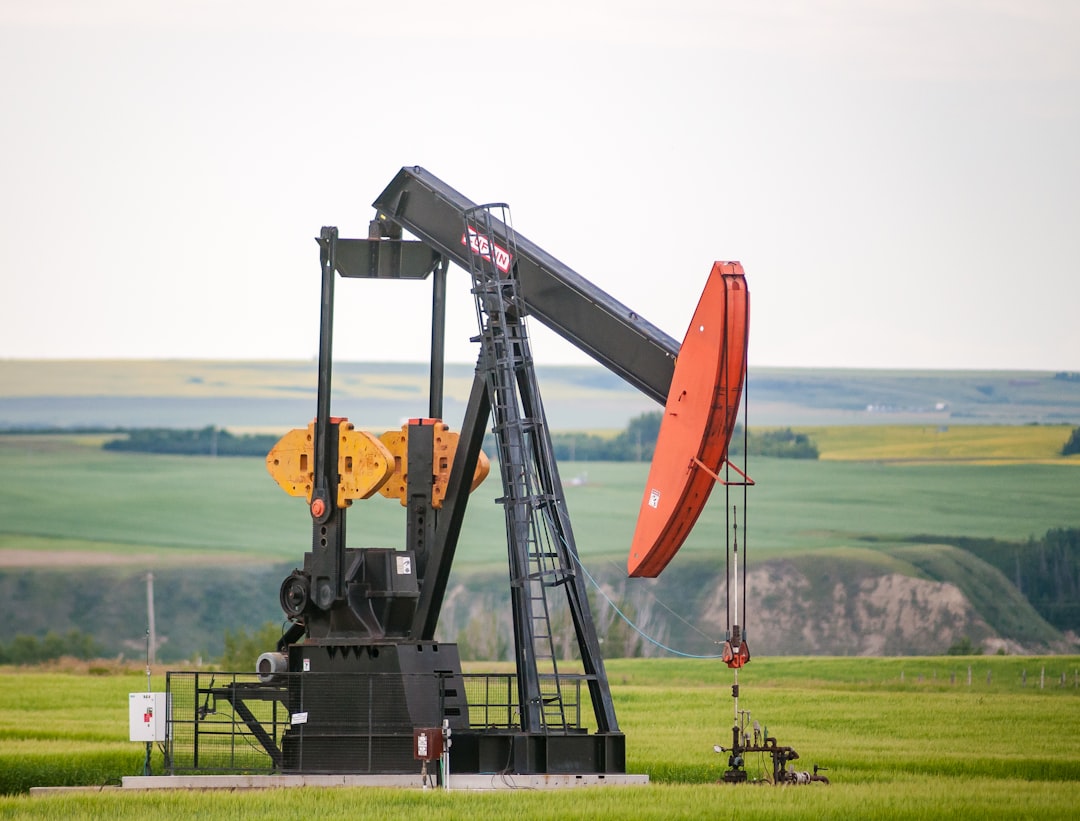
Energy economists must factor this potential shift into their forecasts for future oil prices and market behavior.
The recent OPEC+ quota hike reflects a strategic response to current market conditions. It also sets the stage for potential shifts in global oil prices. Energy professionals, especially those in analytical and engineering roles, must stay alert as geopolitical tensions and market dynamics evolve. With the possibility of increased Iranian oil entering the market, the balance of supply and demand could change significantly. How this unfolds in the coming months will be crucial for all stakeholders in the energy sector.
Frequently Asked Questions
How will the OPEC+ quota changes impact oil market forecasts?
Career Ahead analysis shows that the OPEC+ quota increase may stabilize or lower oil prices, depending on global demand trends. Analysts must adjust their forecasts to consider the increased supply and geopolitical developments.
What should energy economists consider with the new oil production quotas?
Energy economists should focus on the relationship between OPEC+ decisions and geopolitical factors, especially US-Iran relations. Increased Iranian oil supply could significantly impact pricing strategies and market forecasts.

How can petroleum engineers prepare for changes in production levels due to OPEC+ decisions?
Petroleum engineers should leverage technology and analytics to adapt to changing market conditions. Understanding the implications of OPEC+ decisions and geopolitical dynamics will be crucial for maintaining competitiveness in the energy sector.
You may also like
 Industry & Global Trends
France’s Jobless Rate Surges, Impact on Workers
France's unemployment rate has risen to 8.3% in Q2 2026, the highest since late 2020, raising concerns about job security in the manufacturing and service…
Read More →