No products in the cart.

Figma’s New Features Redefine UX Design Collaboration
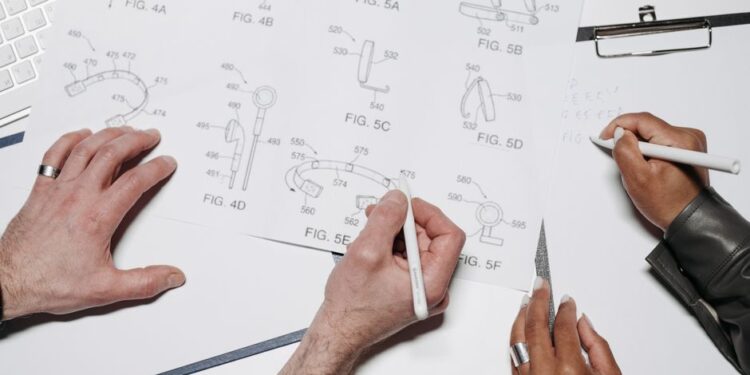
Figma's new full-stack canvas introduces AI-driven features that enhance collaboration and design capabilities, marking a significant shift in UX design workflows for product managers and designers.

Figma has introduced its new full-stack canvas, a significant update that integrates artificial intelligence tools to enhance collaboration and design capabilities. This launch, announced during the Config 2026 event, marks a pivotal moment for UX designers and product managers, providing them with innovative features to streamline their workflows.
The full-stack canvas aims to transform how design teams operate, especially in remote settings. By incorporating AI-driven functionalities, Figma is responding to the growing demand for more efficient and collaborative design processes. As teams become increasingly distributed, the need for tools that facilitate effective communication and creativity has never been more crucial.
AI Tools Integration in Design Workflows
The integration of AI tools into Figma’s full-stack canvas is set to revolutionize design workflows. According to passionateinmarketing.com, the new features include automated design suggestions and real-time collaborative editing, which allow multiple users to work simultaneously on projects. This functionality not only speeds up the design process but also reduces the likelihood of errors, making it easier for teams to iterate on their ideas.
Moreover, AI-powered features like predictive design tools can help UX designers create user interfaces that are more aligned with user expectations. By analyzing user behavior and preferences, these tools can suggest design elements that enhance usability and engagement. This shift towards data-driven design is crucial for product managers who need to ensure their products meet market demands effectively.
Career Ahead analysis finds that the implementation of AI in design tools is indicative of a broader trend within the tech industry. As automation becomes more prevalent, UX designers and product managers must adapt their skills to leverage these new technologies effectively. This means not only understanding how to use AI tools but also being able to interpret the data they provide to make informed design decisions.
As UX designers embrace these advancements, they will likely find that their roles are evolving. The traditional boundaries of design are expanding, and professionals must be prepared to integrate new methodologies into their workflows. This evolution presents both challenges and opportunities for those in the field.
The traditional boundaries of design are expanding, and professionals must be prepared to integrate new methodologies into their workflows.
Enhanced Collaboration Features for Remote Teams
Figma’s full-stack canvas places a strong emphasis on enhancing collaboration among remote teams. The platform’s new features enable seamless communication and feedback, which are essential for successful design projects. TechRadar reports that tools like comment threads and integrated feedback loops allow team members to share insights and make adjustments in real time, regardless of their physical location.
This collaborative environment is particularly beneficial for product managers who often coordinate between design, development, and marketing teams. With Figma’s updated canvas, they can ensure that all stakeholders are aligned and that their input is integrated throughout the design process. This level of transparency is vital for maintaining project momentum and meeting deadlines.
Additionally, the ability to create interactive prototypes directly within the canvas streamlines the user testing phase. Product managers can easily share prototypes with users, gather feedback, and make necessary adjustments before the final launch. This iterative approach minimizes the risk of costly revisions later in the development cycle.
Career Ahead’s research identifies that the demand for tools that facilitate remote collaboration will continue to grow. As companies increasingly adopt hybrid work models, the need for effective design tools that support distributed teams will be critical. Figma’s enhancements position the platform as a leader in this space, setting a standard for other design tools to follow.
New Capabilities for Prototyping and User Testing
Figma’s full-stack canvas introduces new capabilities that significantly improve prototyping and user testing processes. The integration of AI tools allows designers to create more sophisticated and interactive prototypes that can simulate real user experiences. This advancement is crucial for UX designers who need to validate their designs before implementation.
This advancement is crucial for UX designers who need to validate their designs before implementation.
According to The Verge, the new canvas features tools that allow for dynamic content generation, enabling designers to test various scenarios and user interactions. This capability not only enhances the quality of user testing but also provides valuable insights that can inform future design choices. Product managers can leverage these insights to make data-driven decisions that align with user needs.
The emphasis on user testing within the full-stack canvas also highlights the importance of user feedback in the design process. By facilitating easier access to user testing tools, Figma empowers designers to iterate quickly based on real user data. This agile approach is essential in today’s fast-paced tech environment, where user expectations are constantly evolving.

As UX designers and product managers integrate these new capabilities into their workflows, they will likely see significant improvements in their project outcomes. The ability to create high-fidelity prototypes and gather user feedback in real time will enhance the overall design quality and user satisfaction.
Figma’s full-stack canvas represents a major shift in the design landscape, particularly for UX designers and product managers. As the industry continues to evolve, those who embrace these new tools and methodologies will be better positioned to succeed in an increasingly competitive market.
Looking ahead, the question remains: how will the integration of AI tools in design impact the future roles of UX designers and product managers? As these professionals adapt to new technologies, their ability to innovate and respond to user needs will be paramount in shaping the next generation of digital experiences.
The full-stack canvas will streamline product management workflows by facilitating better collaboration among teams and integrating user feedback directly into the design process, ultimately leading to more user-centered products.
Frequently Asked Questions
How can UX designers utilize Figma’s new features?
UX designers can leverage Figma’s new full-stack canvas to enhance their design workflows by utilizing AI-driven tools for real-time collaboration and automated design suggestions. This allows for quicker iterations and improved user experience.
What impact will Figma’s full-stack canvas have on product management workflows?
The full-stack canvas will streamline product management workflows by facilitating better collaboration among teams and integrating user feedback directly into the design process, ultimately leading to more user-centered products.

What skills should product managers develop to keep up with AI advancements in design tools?
Product managers should focus on developing skills related to data analysis and understanding AI-driven design tools. This will enable them to make informed decisions based on user insights and enhance collaboration with design teams.
Written by Career Ahead AI. AI can make mistakes, so verify key facts. Report errors to support@careeraheadonline.com.