No products in the cart.

Financial Crisis Approaches: Brace for Impact
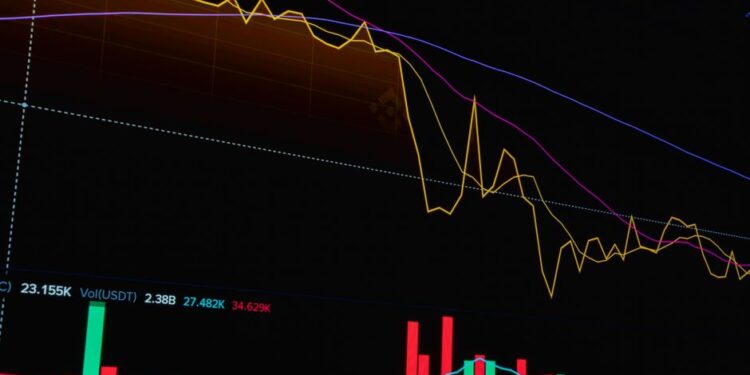
As oil prices soar past $100 per barrel and bond markets show instability, financial analysts must prepare for potential economic downturns.

Financial markets are showing signs of instability as September 2026 unfolds. This raises concerns among financial analysts and risk managers. Key indicators, like rising oil prices and a sell-off in government bonds, suggest that another financial crisis may be near. This situation is reminiscent of the events of September 2008. As these signals intensify, financial professionals must prepare for market volatility and economic downturns.
The current economic landscape features soaring oil prices, which have surpassed $100 per barrel. This increase raises costs for consumers and businesses. The inflationary pressure is worsened by a sell-off in government bonds, leaving many investors uneasy. Additionally, leaders in the AI industry warn about the pace of technological advancement, adding uncertainty. Together, these factors create a volatile environment that financial analysts must navigate carefully. As Larry Elliott from The Guardian notes, the mix of war, AI disruption, and market instability presents a complex challenge for analysts.
Indicators of a Financial Crisis
Career Ahead’s analysis highlights several critical indicators for financial analysts to monitor. Rising oil prices have historically linked to economic downturns. Higher oil prices can lead to increased production costs and reduced consumer spending. Analysts must assess the potential impact of these rising prices on various sectors. The implications are significant, as they can trigger inflationary spirals affecting everything from consumer goods to transportation costs.
The bond market is also experiencing turbulence. Significant sell-offs indicate a lack of confidence among investors. Research from Geopolitical Economy Report shows that this lack of confidence often stems from fears of persistent inflation and potential interest rate hikes from central banks. Analysts must closely track these developments, as they can greatly affect investment strategies and market stability. The current climate reflects a trend where investors are increasingly wary, leading to volatility that disrupts financial forecasting and planning.
Career Ahead research finds that while AI can drive economic growth, overreliance on technology stocks creates vulnerabilities.
Another critical factor is ongoing geopolitical tensions, especially the conflict involving Iran. This war affects global oil supply and can lead to further economic disruptions. Analysts need to consider how these geopolitical events may influence market sentiment and investor behavior. Understanding these dynamics is essential for making informed decisions in the coming months. As Elliott points out, the geopolitical landscape is uncertain, and analysts must stay agile in their assessments to navigate these challenges.
Moreover, the tech sector, heavily influenced by AI advancements, is under scrutiny as investors reassess growth projections. Career Ahead research finds that while AI can drive economic growth, overreliance on technology stocks creates vulnerabilities. Analysts must evaluate the fundamentals of these companies to avoid being caught in a potential market correction. The rapid pace of AI development raises questions about job displacement and the long-term viability of certain sectors, complicating the landscape for financial analysts.
Overall, the combination of rising oil prices, bond market instability, geopolitical tensions, and tech sector volatility creates a precarious environment. Financial analysts must develop strong risk assessment skills to identify and mitigate these risks effectively. The interconnectedness of these factors means analysts cannot operate in silos; they must adopt a holistic approach to risk management that considers multiple variables and their potential impacts.
Adapting Financial Modeling Techniques
As the financial landscape evolves, analysts must update their financial modeling techniques. Traditional models may not account for the complexities of a potential crisis. Career Ahead analysis suggests incorporating scenario analysis and stress testing into financial models for deeper insights into potential outcomes. Simulating various economic scenarios allows analysts to prepare for a range of possibilities instead of relying on a single forecast, which can be misleading during volatility.
Career Ahead analysis suggests incorporating scenario analysis and stress testing into financial models for deeper insights into potential outcomes.
Scenario analysis helps analysts evaluate how different variables, like oil prices or interest rates, could impact financial performance. This approach prepares professionals for various possibilities. Stress testing helps analysts understand how their portfolios would perform under extreme conditions, like a sudden market downturn. By using these techniques, analysts can better anticipate market shifts and adjust their strategies.
Furthermore, integrating real-time data into financial models enhances decision-making. By using advanced analytics and machine learning, analysts can gain insights into market trends and consumer behavior. This proactive approach helps identify risks before they escalate into crises. The integration of AI tools into financial modeling is becoming essential, allowing for more dynamic and responsive analysis of market conditions.
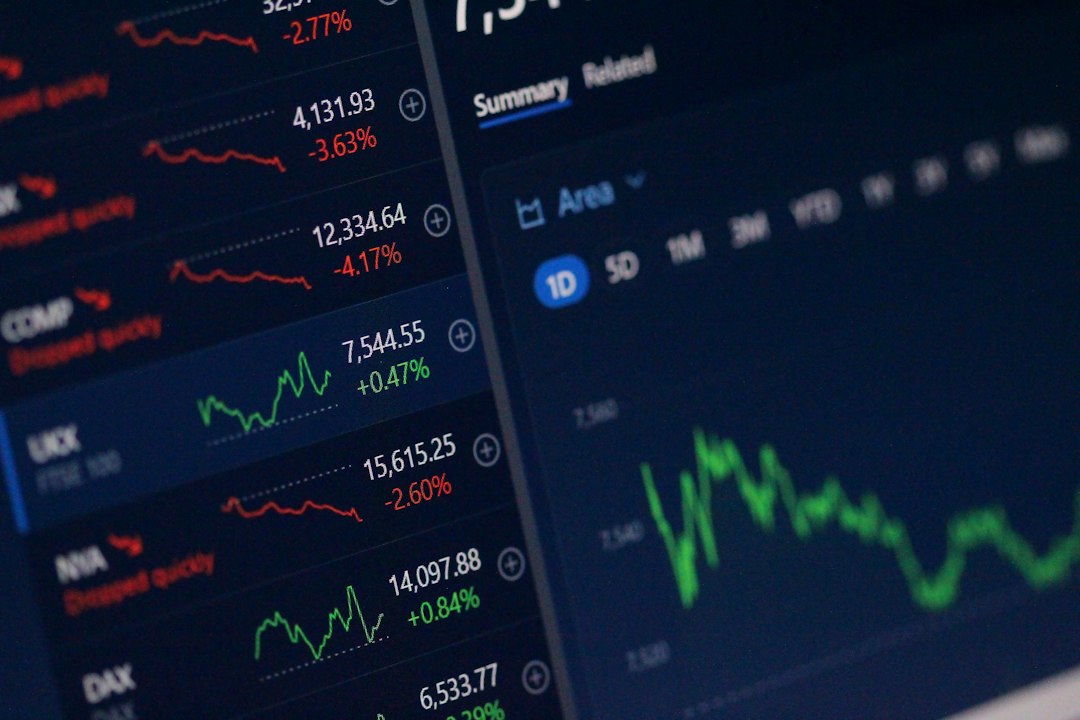
Moreover, collaboration among finance teams is crucial during turbulent times. Sharing insights and data across departments leads to more comprehensive risk assessments and informed decision-making. Analysts should communicate with risk management teams to develop a holistic understanding of potential threats. Cross-functional collaboration is vital, as it can lead to more robust strategies that better handle unexpected challenges.
In summary, adapting financial modeling techniques is essential for analysts navigating an impending financial crisis. By incorporating scenario analysis, stress testing, and real-time data, professionals can enhance their ability to respond to market changes. The financial landscape is evolving rapidly, and those who adapt their methodologies will be better positioned to thrive amidst uncertainty.
In conclusion, as signs of a financial crisis loom, financial analysts must adapt their strategies for potential market volatility. By monitoring key indicators, updating financial modeling techniques, and implementing effective crisis management strategies, professionals can prepare for upcoming challenges. The ability to respond swiftly and effectively will be essential for maintaining stability in an increasingly uncertain economic environment.
By monitoring key indicators, updating financial modeling techniques, and implementing effective crisis management strategies, professionals can prepare for upcoming challenges.
Frequently Asked Questions
What indicators should financial analysts monitor for signs of a financial crisis?
Financial analysts should closely monitor rising oil prices, bond market volatility, and geopolitical tensions. These factors can significantly impact market stability and investor confidence.
How can risk managers prepare their organizations for economic downturns?
Risk managers can prepare by developing strong crisis management strategies, conducting scenario analysis, and fostering communication across departments. This proactive approach helps organizations respond effectively to potential challenges.
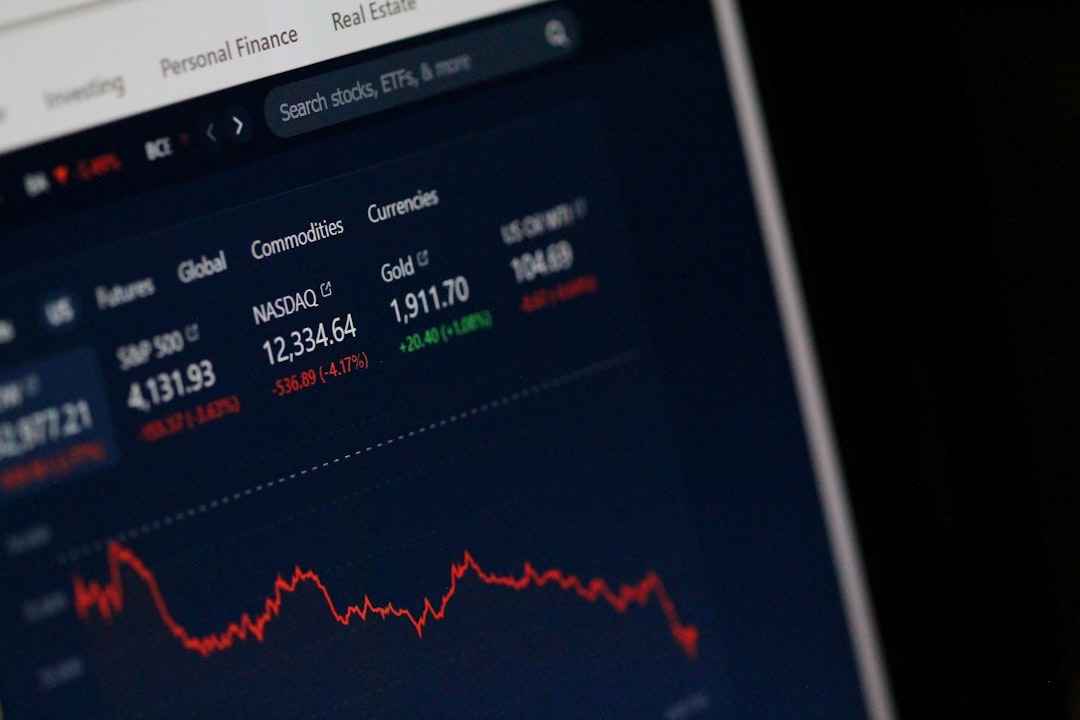
What financial modeling techniques are essential during a financial crisis?
Essential financial modeling techniques include scenario analysis and stress testing. These methods help analysts assess potential outcomes and understand how portfolios may perform under extreme conditions.
Written by Career Ahead AI. AI can make mistakes, so verify key facts. Report errors to support@careeraheadonline.com.