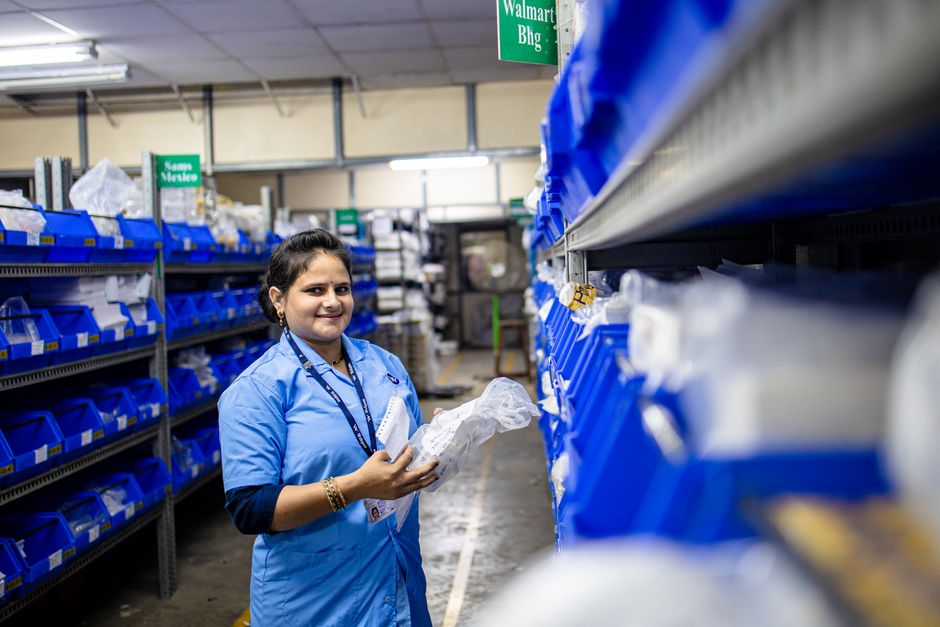
Flipkart's aggressive growth strategy involves a substantial increase in its delivery infrastructure. The company has expanded its network of micro-fulfillment centers from about 600 in January 2026 to over 1,020 by August 2026. This expansion is crucial as it allows Flipkart to enhance its delivery capabilities, aiming for a target of 1,500 centers by the end of 2026.
India’s Flipkart is rapidly closing the gap with leading quick-commerce platforms like Swiggy’s Instamart and Blinkit. Since launching its quick-commerce service, Flipkart Minutes, in August 2024, the platform has grown significantly, delivering between 1.1 million to 1.2 million orders daily. This growth is notable as it comes from a relatively late entry into a market dominated by established players. As Flipkart continues to expand its operations, the competitive dynamics in India’s ecommerce landscape are shifting dramatically.
Flipkart’s aggressive growth strategy involves a substantial increase in its delivery infrastructure. The company has expanded its network of micro-fulfillment centers from about 600 in January 2026 to over 1,020 by August 2026. This expansion is crucial as it allows Flipkart to enhance its delivery capabilities, aiming for a target of 1,500 centers by the end of 2026. The rapid scaling of this infrastructure is a direct response to the increasing consumer demand for faster delivery options, which has become a crucial factor in the ecommerce sector. According to a report by Reuters, this expansion comes as Flipkart aims to solidify its position ahead of a potential IPO, indicating the company’s commitment to long-term growth in the quick-commerce space.
As Flipkart narrows the gap with its competitors, it is also witnessing a growing number of repeat customers. Approximately 65% to 70% of users making purchases on Flipkart Minutes are returning buyers, with transaction frequency increasing by 50% to 60% year-on-year. This trend highlights a significant shift in consumer behavior, as customers increasingly prefer platforms that offer quick and reliable delivery services. The success of Flipkart Minutes has been attributed to its ability to meet the rising expectations of consumers who are willing to pay a premium for convenience, as noted by TechCrunch.
In addition to expanding its delivery network, Flipkart is diversifying its product offerings to capture a larger share of the market. The platform is now introducing higher-end gourmet products, catering to changing consumer preferences. This strategic move not only enhances Flipkart’s product range but also positions it as a serious competitor in the quick-commerce space, where consumer expectations are evolving rapidly. The introduction of premium products aligns with a broader trend in the market where consumers are increasingly seeking quality alongside convenience.
Logistics Strategies in Response to Flipkart’s Growth
The rise of Flipkart in the quick-commerce sector necessitates a reevaluation of logistics strategies for analysts in retail. The increasing demand for rapid delivery services means that logistics operations must be optimized for efficiency. Analysts need to focus on enhancing last-mile delivery processes, which are critical in meeting consumer expectations for speed and reliability. The competition is not just about speed; it also involves ensuring that the right products are available at the right time, which requires sophisticated inventory management.
Analysts need to focus on enhancing last-mile delivery processes, which are critical in meeting consumer expectations for speed and reliability.
As travel agents and tourism marketers look to capitalize on this trend, understanding the evolving preferences of Indian travelers is crucial. The South African tourism…
Moreover, the expansion of micro-fulfillment centers requires logistics analysts to assess their locations strategically. Proximity to urban centers and high-density areas is essential to ensure timely deliveries. By leveraging data analytics, logistics teams can optimize inventory levels, reducing the risk of stockouts and ensuring that popular items are readily available for quick delivery. This strategic positioning is crucial as it allows Flipkart to maintain its competitive edge over rivals like Amazon and Swiggy, which are also investing heavily in their logistics capabilities.
As Flipkart continues to grow, logistics analysts must adopt agile methodologies to respond to fluctuating consumer demands. This involves implementing real-time tracking systems and enhancing communication channels between fulfillment centers and delivery personnel. By improving operational transparency, logistics teams can better manage delivery timelines and improve customer satisfaction. The competitive pressure exerted by Flipkart’s growth may compel other players in the quick-commerce space to innovate their logistics strategies. Companies may need to invest in technology that enhances delivery speed, such as automated routing systems and advanced warehouse management solutions.
Adapting to Changing Consumer Preferences
The rapid growth of Flipkart’s quick-commerce service is indicative of a broader shift in consumer behavior in India. As consumers increasingly demand faster delivery options, ecommerce product managers must adapt their strategies to align with these changing preferences. The success of Flipkart Minutes illustrates that consumers are willing to pay for convenience and speed, which necessitates a rethinking of product offerings and marketing strategies. The rise of instant delivery services has created a new paradigm where speed is a key differentiator in the ecommerce space.
Ecommerce managers should focus on understanding the demographics of their customer base, as younger consumers, in particular, are driving the demand for quick-commerce solutions. This demographic is more likely to prioritize instant gratification and convenience, making it essential for product managers to tailor their offerings to meet these expectations. The integration of technology into the shopping experience is becoming increasingly important, as consumers seek seamless interactions with ecommerce platforms. Investing in user-friendly interfaces, mobile applications, and personalized shopping experiences can significantly impact customer retention and loyalty.
Furthermore, as Flipkart expands its product range to include gourmet and artisanal items, ecommerce managers must remain vigilant about market trends. Staying ahead of consumer preferences will be crucial in maintaining competitiveness in an increasingly crowded market. Understanding shifts in consumer behavior will allow product managers to innovate and adapt their strategies effectively. As highlighted by CNBC, the competition in the quick-commerce sector is intensifying, with players like Amazon also ramping up their efforts to capture market share.
The UK job market is facing significant challenges with declining employment and rising inflation. This trend is reshaping hiring strategies and financial forecasting, particularly in…
Adapting to Changing Consumer Preferences
The rapid growth of Flipkart’s quick-commerce service is indicative of a broader shift in consumer behavior in India.
Future Innovations in Quick-Commerce
As the quick-commerce landscape evolves, it will be interesting to see how Flipkart’s competitors respond to its growth. The dynamics of the market are shifting, and companies must remain agile to keep pace with changing consumer demands. The ongoing battle for market share will likely lead to further innovations in delivery speed and service quality. Analysts predict that the competitive pressure will drive continuous improvement in logistics operations across the sector, as firms strive to meet the evolving expectations of consumers.
Frequently Asked Questions
What strategies should ecommerce product managers adopt in response to Flipkart’s growth?
Ecommerce product managers should focus on enhancing user experience and integrating technology into their platforms. This includes improving mobile applications and personalizing shopping experiences to meet the demands of consumers seeking convenience and speed.
How can logistics analysts optimize operations to compete with Flipkart’s quick-commerce model?
Logistics analysts can optimize operations by strategically locating micro-fulfillment centers and implementing real-time tracking systems. These measures will help improve delivery efficiency and meet consumer expectations for rapid service.
What trends in consumer behavior should ecommerce professionals monitor as Flipkart expands?
Professionals should monitor the increasing demand for quick delivery options and the preferences of younger consumers who prioritize convenience. Understanding these trends will be crucial for adapting strategies and maintaining competitiveness in the market.



Industry & Global Trends


Industry & Global Trends