No products in the cart.

Harvard’s Bootcamp Integrates AI Avatars for Enhanced Learning

Harvard's startup bootcamp introduces AI avatars of instructors, enhancing personalized feedback and learning experiences for aspiring entrepreneurs. This innovative approach marks a significant shift in educational methodologies, focusing on scalability and engagement.

Harvard Business School has launched its $699 startup bootcamp, which now includes AI avatars of its instructors to enhance the learning experience. This innovative program is designed to provide personalized feedback to participants, particularly during practice pitches and board meetings. Developed in collaboration with the startup HeyGen, these avatars represent a significant leap in educational technology, allowing for scalable and engaging learning environments.
The bootcamp, known as HBS Foundry, offers live sessions every week, but it is the AI avatars that are taking center stage in providing feedback to students. For instance, a New York Times reporter recently tested the program by pitching to an AI-generated avatar of Jeff Bussgang, a co-founder of Flybridge Capital. The experience showcased the avatars’ ability to simulate real-world interactions, although reactions to the pitches varied.
Transforming Feedback Mechanisms with AI
The incorporation of AI avatars in the HBS Foundry bootcamp represents a shift towards more personalized and interactive learning methodologies. Students can receive immediate feedback from avatars that mimic their instructors, creating a unique learning environment that mirrors real-life business scenarios. This approach not only enhances engagement but also allows for a more tailored educational experience.
According to Katharina Rings, the project director, the initial concept was to develop a simple chatbot-like interface. However, feedback from students indicated a desire for a more engaging and guided experience. As a result, the avatars evolved into sophisticated tools capable of providing nuanced feedback, thus increasing their effectiveness in the learning process.
Career Ahead’s analysis finds that this innovative use of AI avatars could reshape how educational institutions approach teaching methodologies. By integrating technology into the learning experience, bootcamps like HBS Foundry can cater to diverse learning styles and preferences. This flexibility is particularly beneficial for tech entrepreneurs who often require rapid feedback and iterative learning to refine their business ideas.
Career Ahead’s analysis finds that this innovative use of AI avatars could reshape how educational institutions approach teaching methodologies.
Cost-Effectiveness and Accessibility
You may also like
 Education & University Insights
NYC Leaders Push for School Integration Amid Segregation
New York City's school system remains one of the most segregated in the U.S. City leaders are now pushing for integration, but advocates emphasize the…
Read More →Moreover, the cost-effectiveness of the bootcamp is noteworthy. At $699 for an eight-week program, the HBS Foundry bootcamp provides an affordable alternative to traditional education, which often comes with much higher price tags. This accessibility can democratize learning opportunities for aspiring entrepreneurs who may not have the means to attend prestigious institutions.
Furthermore, the use of AI avatars can help bridge the gap between theoretical knowledge and practical application. As participants engage with these digital instructors, they can practice their pitches and receive constructive criticism, enabling them to refine their business strategies in a supportive environment.
AI’s Role in the Future of Education
The introduction of AI avatars in educational bootcamps is not just a trend; it signals a broader transformation in how education is delivered. As more institutions recognize the potential of AI in enhancing learning experiences, we may see an increase in similar initiatives across various fields. This could lead to a new standard in educational practices, where personalized and interactive learning becomes the norm.
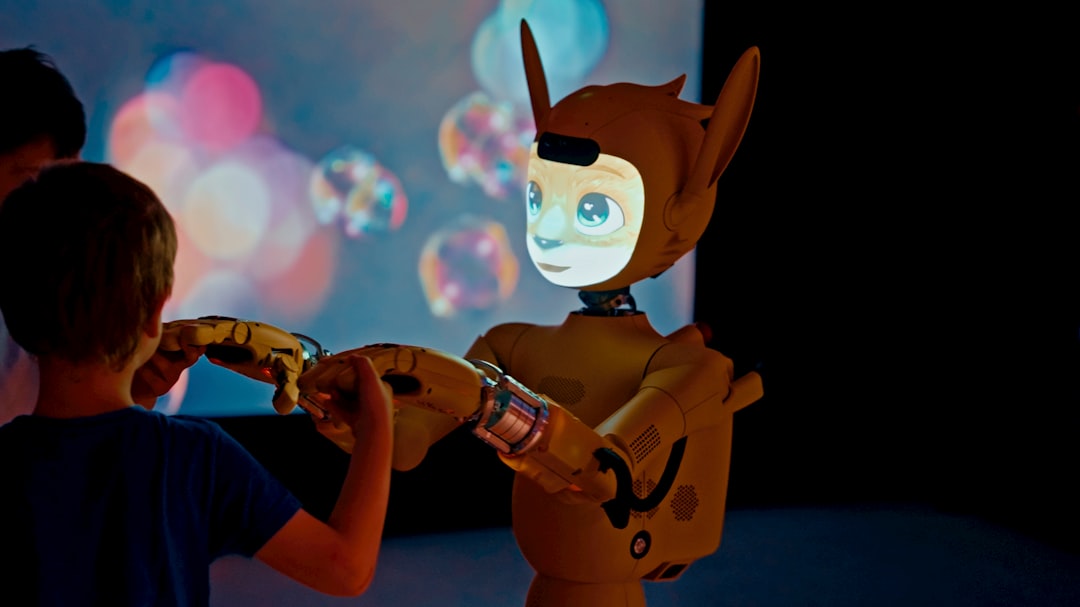
Additionally, as Harvard Business School continues to innovate, other educational institutions may feel pressured to adapt their curricula to include AI technologies. This shift could foster a competitive landscape where schools that fail to integrate such advancements may struggle to attract students.
Career Ahead research identifies that the growing acceptance of AI in education aligns with the increasing demand for tech-savvy skills in the workforce.
Career Ahead research identifies that the growing acceptance of AI in education aligns with the increasing demand for tech-savvy skills in the workforce. As industries evolve, entrepreneurs and job seekers must be equipped with the latest tools and methodologies to stay relevant. Programs like HBS Foundry that utilize AI avatars can provide participants with a distinct advantage in understanding and leveraging technology in their business endeavors.
Balancing Technology and Human Interaction
You may also like
 Education & University Insights
UP ITI Admission Opens Fifth Phase Applications
The fifth phase of UP ITI admissions for the 2026-27 training session will start on October 6, 2026, and will remain open until midnight on…
Read More →However, the reliance on AI also raises questions about the future of traditional teaching methods. While AI avatars can enhance learning, they cannot fully replace the human element that is crucial in education. The challenge for educational institutions will be to find a balance between technological integration and maintaining personal connections with students.
As the HBS Foundry bootcamp continues to evolve, it will be interesting to observe how participants respond to this innovative approach. Will the reliance on AI avatars lead to improved outcomes for entrepreneurs, or will it create a disconnect from the traditional learning experience? The answers to these questions could shape the future of educational practices in the tech industry.

Frequently Asked Questions
What are the benefits of AI avatars in startup bootcamps?
AI avatars in startup bootcamps provide personalized feedback, enhance engagement, and offer a scalable learning experience. This technology allows participants to practice in a simulated environment, receiving immediate and constructive criticism.
Understanding how these factors align with their learning goals is crucial.
How does Harvard’s bootcamp compare to traditional learning methods?
Harvard’s bootcamp, with its AI avatars, focuses on personalized learning and immediate feedback, which contrasts with traditional methods that may lack interactivity. This innovative approach offers a more tailored educational experience for participants.
What should startup founders consider when choosing a bootcamp with AI features?
Startup founders should assess the program’s ability to provide personalized feedback, the quality of AI technology used, and the overall cost-effectiveness of the bootcamp. Understanding how these factors align with their learning goals is crucial.
You may also like
 Education & University Insights
Students Can Access Free Gemini AI and Photoshop in India
Google has launched an offer for university students, providing them with free one-year access to Gemini AI. This includes 400GB of cloud storage and various…
Read More →