Attention vs. Trust: A Founder’s Dilemma
In today’s digital economy, founders face a unique challenge. They can generate attention quickly through various online strategies. However, the real question is how to convert that attention into sustainable revenue without losing the trust of their audience. Trust has become a valuable currency, and mismanaging it can lead to long-term damage.
Attention can be engineered through algorithms and marketing tactics, but this manufactured attention often lacks the depth of genuine engagement. Founders must navigate the fine line between leveraging attention and preserving the trust that makes their audience valuable.
As noted by finance.yahoo.com, the moment a founder achieves significant scale, they face immense pressure to monetize. This pressure can lead to decisions that prioritize short-term gains over long-term trust-building. The true challenge lies in understanding that trust cannot be easily regained once lost.
The Monetization Trap
With an increase in audience size comes an influx of monetization opportunities. Founders often receive partnership offers that promise high returns for minimal effort. However, many of these deals can be toxic, undermining the very trust that founders have worked hard to build.
Sponsorships may seem appealing, but they can lead to conflicts of interest. When founders prioritize quick cash flow over their audience’s needs, they risk alienating their supporters. This situation is particularly evident in sectors like finance, where poor advice can have severe consequences.
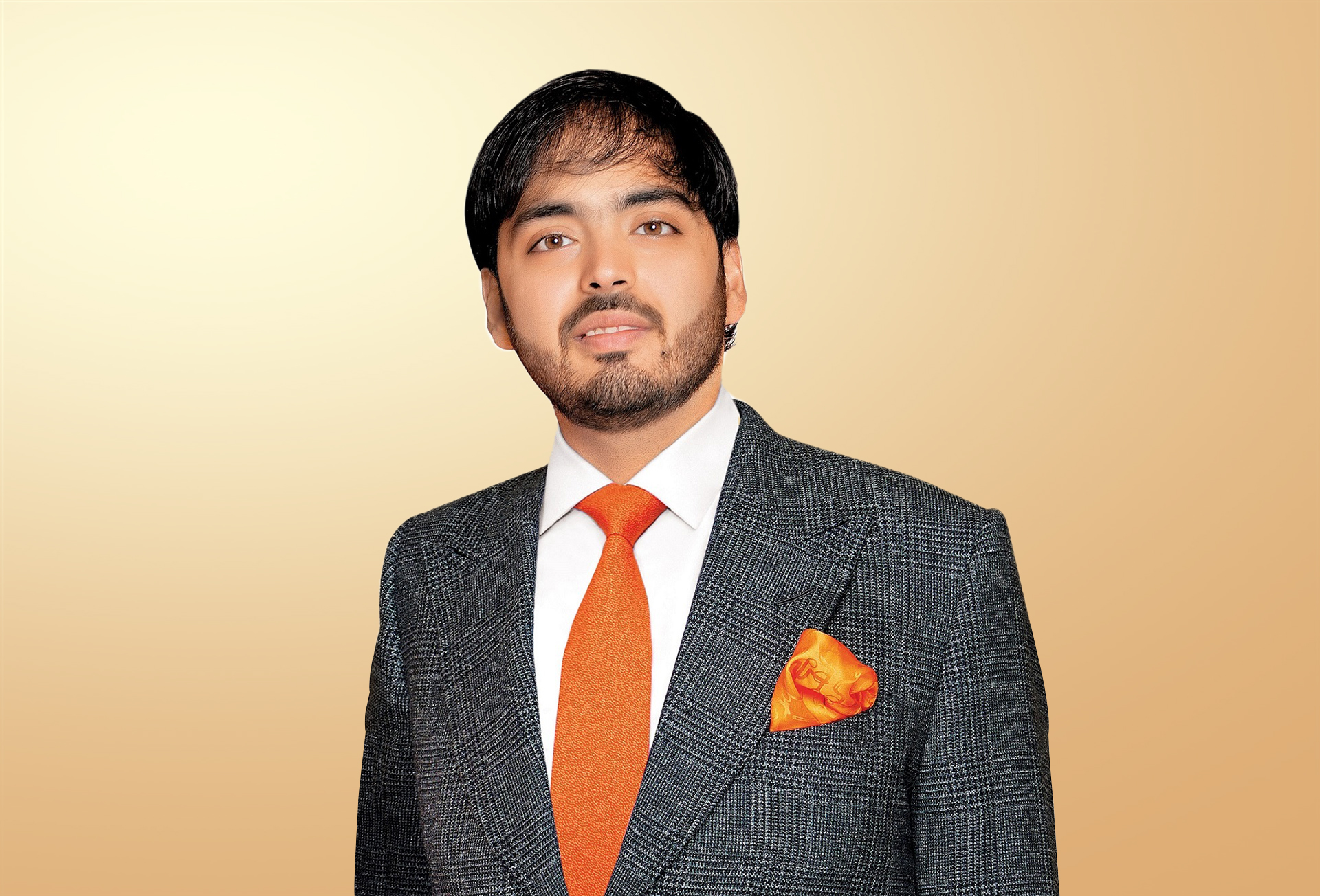
Ivan Patriki, a fintech expert, exemplifies this struggle. He has built a substantial audience but understands the risks of promoting dubious financial products. Instead of opting for immediate payouts, he co-founded QuantMap, a platform that provides genuine value to his audience, reflecting a commitment to maintaining trust over chasing fleeting attention.
When founders prioritize quick cash flow over their audience’s needs, they risk alienating their supporters.
The Cost of Trust Erosion
The consequences of losing audience trust can be dire. Once a founder endorses a questionable product or partner, they accumulate what is known as reputational debt. This debt can manifest in various ways, including decreased audience engagement and lower conversion rates.
According to msn.com, the digital landscape has a long memory. Once audiences feel exploited, they are unlikely to return. This shift can lead to skyrocketing customer acquisition costs and diminished lifetime value for businesses.
 Entrepreneurship & Business
Claude Startups Unveils $7,000 Benefits for Indian Founders
Anthropic's expanded Claude Startups programme provides Indian founders with up to $7,000 in benefits, including API credits and mentorship, to support the growth of AI…
Read More →Moreover, the impact of trust erosion can extend beyond immediate financial losses. Founders may find themselves in a position where they must invest significant resources to rebuild their reputation, a process that can be lengthy and often yields uncertain results.

Establishing a Trust Framework
To navigate the complexities of monetization, founders can adopt a systematic approach to evaluate potential partnerships and monetization strategies based on their alignment with audience values. The first step is to ensure product clarity and audience fit.
Founders should always be able to articulate how a product serves their audience’s needs in simple terms.
If a product’s value proposition is unclear or relies on hype, it likely won’t resonate with the audience. Founders should always be able to articulate how a product serves their audience’s needs in simple terms. Additionally, transparency regarding risks and incentives is crucial for maintaining trust.
Founders must also consider the long-term implications of their monetization strategies. Each decision should be weighed against the potential impact on audience trust. By prioritizing ethical monetization practices, founders can build a sustainable business that thrives on trust.
Balancing Revenue and Trust
While the importance of trust is widely acknowledged, there are differing opinions on how to achieve it. Some argue that aggressive monetization strategies can coexist with audience trust, believing that as long as the audience is informed, monetization can be pursued without damaging relationships.
However, this perspective can be misleading. Trust is often built on the foundation of consistent value delivery, not just transparency. Founders who prioritize short-term gains may find that their audience becomes increasingly skeptical, regardless of how well they disclose their monetization strategies.

This debate raises an important question: Can founders balance the need for revenue with the imperative to maintain trust? The answer lies in a deep understanding of audience expectations and a commitment to serving their needs above all else.
This debate raises an important question: Can founders balance the need for revenue with the imperative to maintain trust?
Trust as a Competitive Advantage
In the evolving digital economy, trust will continue to be a critical differentiator. Founders who prioritize building and maintaining trust will likely find greater success in the long run. As audiences become more discerning, they will gravitate towards brands that demonstrate genuine care for their needs.
 Entrepreneurship & Business
Claude Startups Offers $7,000 Benefits for Indian Founders
Indian startup founders can now access a variety of benefits designed to enhance their ventures. The programme includes a free year of the Claude Team…
Read More →The rise of social media and influencer marketing has made it easier for audiences to connect with brands. However, this also means that any misstep can be amplified, leading to swift reputational damage. Founders must be proactive in their approach to trust-building, using feedback and engagement strategies to foster loyalty.
Ultimately, the future of monetization will hinge on a founder’s ability to cultivate trust. Those who view their audience as partners rather than targets will create lasting relationships that drive sustainable growth.
Written by Career Ahead AI. AI can make mistakes, so verify key facts. Report errors to support@careeraheadonline.com.