A solid digital reputation drives revenue, attracts capital, and shields firms from crises—making it a core component of modern business strategy.
Ninety percent of consumers say a company’s online reputation influences their purchasing decisions; the figure is often cited in marketing decks as a vanity metric, yet most readers stop at the surface and assume it merely reflects brand awareness rather than a direct line to the balance sheet. In reality, the number masks a deeper economic calculus: it signals that intangible assets—trust, credibility, and perceived quality—are now the currency of competitive advantage, and that ignoring them is tantamount to leaving cash on the table.
The hard truth behind the 90% figure
When 90% of shoppers admit they factor a brand’s digital footprint into buying choices, the implication for founders is immediate: reputation has moved from the periphery of public relations to the core of profit generation. Research consistently shows that a positive online reputation can lift conversion rates by double-digit margins, allowing firms to command premium pricing without sacrificing volume. Moreover, intangible assets now account for a significant portion of a company’s market value, meaning that the same reputation that sways a consumer can also inflate a firm’s valuation in the eyes of investors and lenders. The calculus is simple yet profound—every five-star review, every high-ranking search result, and every share of positive sentiment translates into a quantifiable uplift in both top-line revenue and equity multiple.
The economic impact is not abstract. Consider a mid-size SaaS provider that upgraded its reputation management program; within twelve months its annual recurring revenue grew by 12%, a gain directly attributed to higher conversion rates on its website and a reduction in churn after a series of reputation-related crises were averted. The firm’s valuation, based on a multiple of ARR, rose from 5× to 6.5×, reflecting the market’s premium on perceived stability and trust. In that scenario, the 90% figure was not a marketing slogan but a leading indicator of a shift in the firm’s financial trajectory.
What the statistic does not reveal about value creation
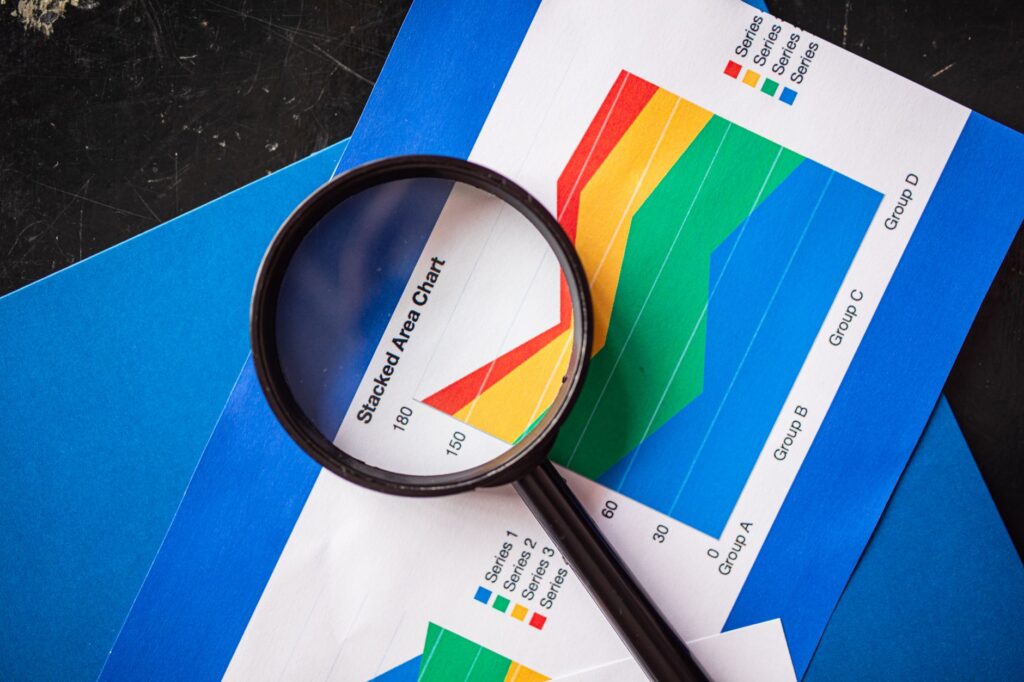
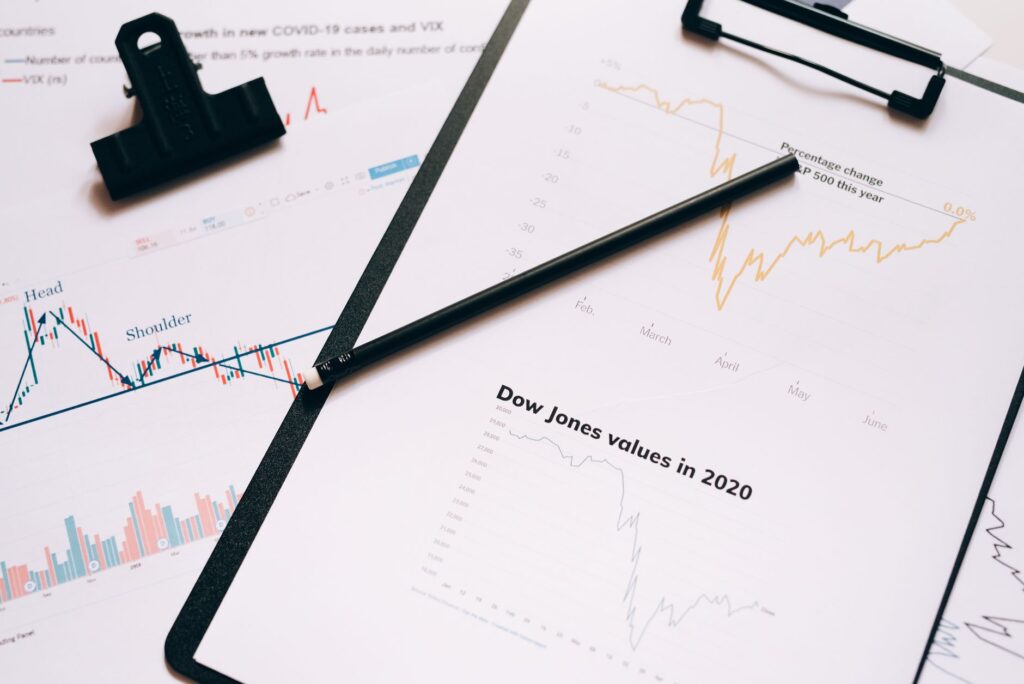
Founders Leverage Online Reputation for Growth Photo: pexels
The 90% headline obscures the mechanisms through which reputation creates value, and it also sidesteps the risks of over-reliance on surface-level metrics. First, reputation is a multi-dimensional asset: search engine rankings, social media sentiment, review platform scores, and influencer endorsements each contribute differently to the overall perception. A high aggregate rating may mask a cluster of negative comments in a niche forum that could trigger a supply-chain partner’s withdrawal. Second, the statistic does not differentiate between short-term spikes and sustained trust. A viral positive story can temporarily lift the 90% metric, but without a systematic reputation governance framework the effect dissipates as quickly as it arrived.
A viral positive story can temporarily lift the 90% metric, but without a systematic reputation governance framework the effect dissipates as quickly as it arrived.
Deloitte India projected GDP growth of 7.1–7.3% in FY27, citing private investment and domestic demand, while identifying risks to the economic outlook.
Moreover, the figure fails to capture the opportunity cost of neglect. Companies that ignore their digital footprint often face hidden expenses—legal fees from defamation suits, higher customer acquisition costs due to low trust, and talent attrition because top candidates screen employers online before applying. The “intangible assets” portion of market value includes not only brand equity but also the cost savings that arise from a reputation that pre-emptively answers stakeholder questions. In other words, a strong reputation is a defensive moat as much as it is an offensive lever.
“A solid digital reputation is essential for driving revenue, building investor trust and maintaining competitive advantage.” — Darius Fisher, CEO, Status Labs
Kent Campbell adds, “You can change your reputation over time. Just like reputations can be tarnished, they can also be improved.” His observation underscores that reputation is not a static balance sheet line but a dynamic capability that can be cultivated, measured, and leveraged.
Our analysis suggests that founders who treat reputation as a strategic resource must adopt a disciplined, data-driven approach. This means establishing a Reputation Return on Investment (RROI) framework that ties reputation initiatives—content creation, review response, influencer partnerships—to concrete financial outcomes such as incremental revenue, reduced churn, and lower cost of capital. By assigning dollar values to reputation-related activities, firms can benchmark performance, allocate budgets with the same rigor as traditional marketing, and justify investment to the board.
Turning reputation into a measurable strategic lever
To operationalize reputation, founders should begin with three interlocking steps: audit, integrate, and iterate. An audit surfaces the current health of the digital footprint across all channels, quantifying sentiment, reach, and authority. Integration embeds reputation metrics into existing performance dashboards, allowing CEOs to monitor reputation alongside cash flow, headcount, and product milestones. Finally, iteration involves a feedback loop where reputation-driven insights inform product development, customer service, and talent acquisition strategies.
Anthropic's expanded Claude Startups programme provides Indian founders with up to $7,000 in benefits, including API credits and mentorship, to support the growth of AI…
For instance, a fintech startup that embedded reputation scores into its risk-assessment model discovered that borrowers with higher positive sentiment on social platforms exhibited lower default rates. The firm adjusted its underwriting criteria, resulting in a net profit increase of $2 million in the following quarter. This example illustrates how reputation can become a predictive asset, feeding into core business decisions rather than remaining an afterthought.
Finally, iteration involves a feedback loop where reputation-driven insights inform product development, customer service, and talent acquisition strategies.
We also recommend that founders allocate a minimum of 5% of their marketing budget to reputation management—a figure that, while modest, typically yields a higher ROI than traditional advertising spend, especially for small and medium-sized enterprises. The allocation should fund technology platforms for monitoring, professional services for crisis response, and internal training to ensure every employee becomes an ambassador of the brand’s digital narrative.
In our view, the strategic imperative is clear: reputation is no longer a peripheral concern but a central pillar of the business model. By treating it as a quantifiable asset, founders can unlock hidden value, protect against volatility, and position their companies for sustainable growth.
Looking ahead twelve to twenty-four months, the economics of online reputation will only intensify as AI-driven sentiment analysis and real-time verification tools become mainstream; firms that have already embedded reputation into their strategic planning will reap the first-mover advantage, enjoying higher valuations and lower capital costs. Career Ahead’s read: founders who institutionalize reputation management today will see their market-value premium expand, while those who treat it as a cosmetic afterthought will find their growth prospects increasingly constrained.
Written by Career Ahead AI. AI can make mistakes, so verify key facts. Report errors to support@careeraheadonline.com.
Career Ahead AI is Career Ahead Magazine's in-house AI newsroom, reporting on careers, education, jobs and business. It produces original summaries and analysis drawn from publicly available sources, with those sources credited, and operates under the editorial oversight of the Career Ahead team. AI can make mistakes, so please tell us when something looks wrong. Corrections, copyright or takedown requests…
Modern banking is no longer just about financial services—it is increasingly a technology industry powered by infrastructure, artificial intelligence, and regulation. In…
Golden Visas are evolving fast—from Portugal’s policy shift to the UAE’s merit-based model. For Indians exploring global mobility, this 2025 guide compares…


Entrepreneurship & Business
 Entrepreneurship & Business