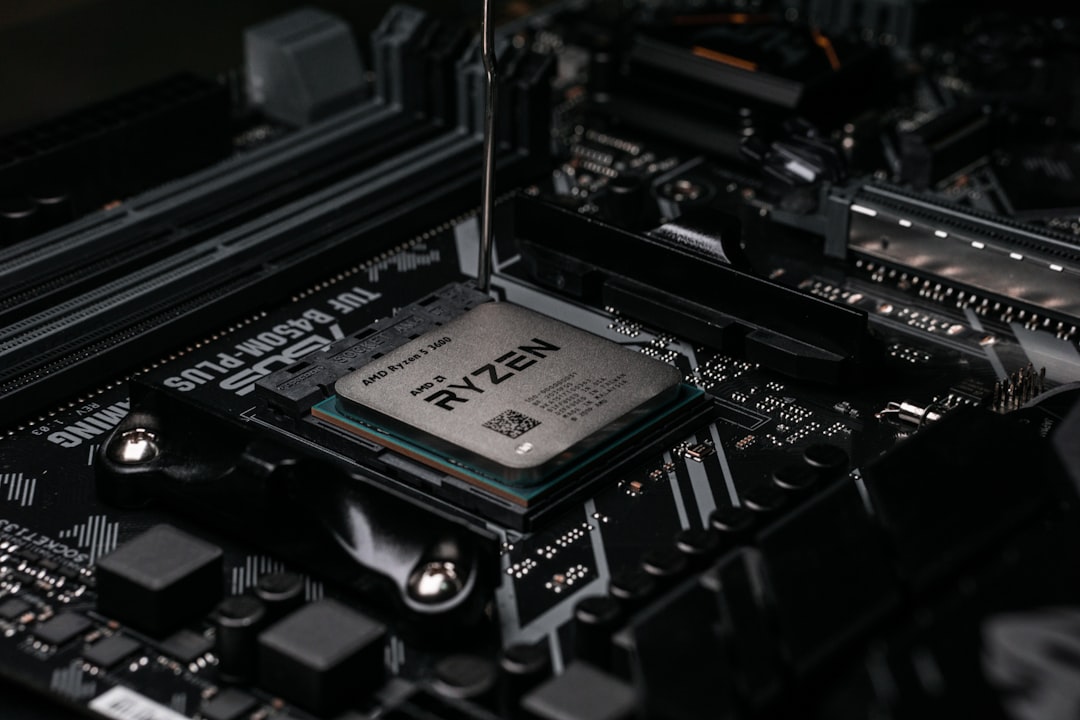
Foxconn and Intel's partnership aims to revolutionize AI infrastructure with innovative hardware solutions, creating job opportunities and addressing modern data center challenges.
Foxconn Technology Group and Intel have announced a significant partnership to develop advanced artificial intelligence infrastructure. This collaboration, revealed on June 4, 2026, aims to tackle critical challenges faced by modern data centers as the demand for AI capabilities continues to surge. By innovating across various computing areas, the companies are set to enhance the efficiency and scalability of AI applications.
The partnership will focus on creating new AI hardware solutions, integrating Intel’s advanced AI chips into Foxconn’s manufacturing processes. This initiative is expected to improve scalability and efficiency in AI applications, which are increasingly essential in sectors such as robotics and smart cities. According to a report from Hindustan Times, this collaboration is anticipated to significantly boost AI system performance, addressing the pressing need for robust infrastructure capable of supporting complex algorithms and large datasets.
Innovative AI Hardware Solutions on the Horizon
Foxconn and Intel are set to develop server racks that incorporate Intel’s advanced processors and AI accelerator technologies. This strategic approach aims to streamline operations within data centers, which are currently grappling with the growing complexity of AI workloads. The companies will also enhance interconnect technologies, system telemetry, and cooling designs, all of which are crucial for maintaining optimal performance in high-demand environments.
The integration of these technologies is expected to reduce latency and improve data center throughput, as highlighted in a recent article from Republic World. By combining Foxconn’s manufacturing capabilities with Intel’s processor architecture, this partnership is not solely focused on hardware; it emphasizes the development of integrated, rack-scale AI systems that can meet the evolving demands of modern AI applications.
For hardware engineers, this collaboration presents a unique opportunity to work on innovative solutions that will shape the future of AI infrastructure. The partnership may also lead to the creation of custom AI chips tailored for specific applications, enhancing processing efficiency and performance across various AI tasks. This focus on specialized hardware solutions reflects a broader trend in the tech industry, where hardware manufacturers increasingly collaborate with software companies to optimize AI capabilities.
As the companies ramp up their development efforts, there will be a growing need for skilled professionals who can design, implement, and manage new AI systems.
In the last quarter, AI startups attracted over $10 billion in venture capital, a figure that highlights the ongoing investor interest despite economic headwinds.
The partnership between Foxconn and Intel is expected to generate numerous job opportunities in AI infrastructure roles. As the companies ramp up their development efforts, there will be a growing need for skilled professionals who can design, implement, and manage new AI systems. This demand will include hardware engineers specializing in AI chip design and system integration, as well as data scientists tasked with optimizing hardware performance for AI applications.
With the integration of advanced AI chips, data scientists will need to adapt their skills to work effectively with these new technologies, learning how to optimize algorithms for specific hardware configurations. Furthermore, the emphasis on edge computing and physical AI solutions will create additional opportunities in sectors such as automotive and smart manufacturing, where professionals will be required to ensure seamless integration between hardware and software.
As the growth in AI infrastructure roles continues, the job market is expected to become increasingly competitive. Professionals with expertise in both AI technologies and hardware systems will be highly sought after. This trend underscores the importance of ongoing education and training in the rapidly evolving field of AI infrastructure.
Adapting to a Changing Landscape
As the technology landscape evolves, professionals in AI infrastructure roles must remain adaptable. The rapid pace of innovation means that those who can learn new skills will thrive in this dynamic environment. The Foxconn and Intel partnership may inspire similar alliances within the tech industry, as companies recognize the value of collaboration in accelerating the development of AI technologies that address real-world challenges.
This partnership signifies more than just a collaboration between two tech giants; it represents a shift in how the technology industry approaches AI development. By prioritizing integrated hardware solutions, Foxconn and Intel are setting a new standard for future collaborations, which could reshape the landscape of AI infrastructure.
Chinese AI firm DeepSeek has successfully narrowed the performance gap with leading US AI models to just 3%, signaling a significant shift in the global…
Adapting to a Changing Landscape
As the technology landscape evolves, professionals in AI infrastructure roles must remain adaptable.
The growing emphasis on AI capabilities is likely to drive increased investments in research and development across the tech sector. Companies will be motivated to innovate and enhance their offerings, fostering a more competitive environment that ultimately benefits consumers and businesses alike as advancements in AI technology become more accessible.
Frequently Asked Questions
What new AI hardware will Foxconn develop with Intel?
Foxconn plans to develop server racks that include Intel’s advanced processors and AI accelerator technologies, aimed at improving data center efficiency and scalability.
How can data scientists leverage the new AI infrastructure from Foxconn and Intel?
Data scientists can optimize algorithms for the new AI hardware, ensuring better performance and efficiency in AI applications across various sectors.
What skills should hardware engineers focus on to work in AI infrastructure?
Hardware engineers should concentrate on AI chip design, system integration, and optimizing hardware for specific AI workloads to remain competitive in the job market.




AI & Technology

AI & Technology