No products in the cart.

Four myths debunked about the analog resurgence of tangible artifacts
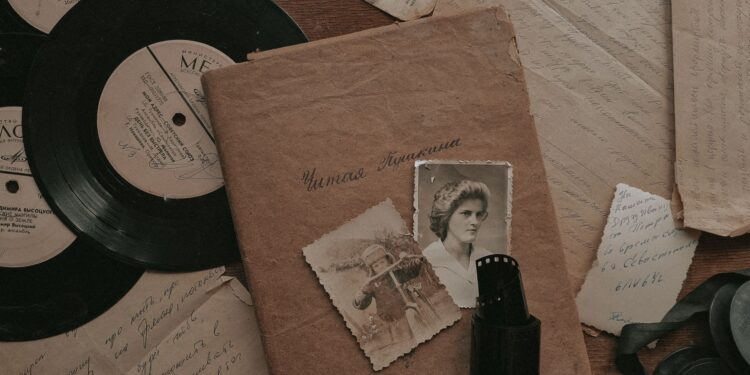
The analog resurgence isn’t a nostalgic fad; it’s a structural shift creating new careers and revenue streams across media industries.

The hype around vintage vinyl, film, and printed books masks a deeper, market-driven shift that reshapes careers and business models.
The standard view holds that the comeback of physical media is a fleeting nostalgia wave, driven by millennials longing for “retro cool.” Commentators frame it as a hobbyist hobby, a boutique market for the affluent, and predict it will fade as digital convenience improves.
We think this is wrong, and here is why. The revival rests on structural forces—scarcity, ownership psychology, and new revenue streams—that will embed tangible artifacts in the mainstream economy for years.
Myth 1: Tangible artifacts are merely nostalgic collectibles
Nostalgia explains a few sales spikes, but it does not account for the sustained growth since 2026 when Gen Z began seeking tactile experiences. The shift is not about yearning for the past; it is about reclaiming agency over one’s media consumption.
Physical objects create a sense of permanence that digital files cannot match. When a vinyl record spins, the listener owns a finite, unrepeatable artifact, not a streaming license that can vanish. This ownership model fuels new job categories—restoration specialists, limited-edition press operators, and boutique distribution firms—expanding career capital beyond the screen.
Myth 1: Tangible artifacts are merely nostalgic collectibles Nostalgia explains a few sales spikes, but it does not account for the sustained growth since 2026 when Gen Z began seeking tactile experiences.
Myth 2: The decline of physical media proves the analog revival is temporary
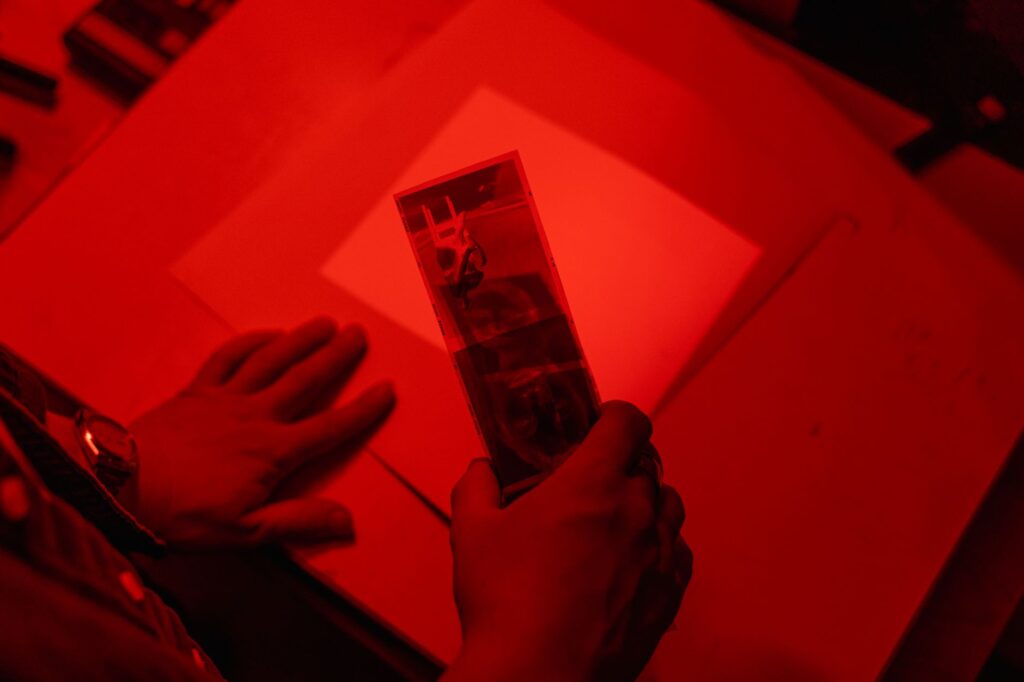
The narrative that physical media collapsed over the past two decades ignores the cultural resurgence. After a 2-decade slump, the market rebounded in 2026, marking the start of a new growth phase.
Our view is that the rapid decline of physical media has often been framed as an inevitable casualty of the digital revolution, but this perspective overlooks the current resurgence. The data show that scarcity drives value. As production runs shrink, collectors and creators command higher margins, incentivizing firms to invest in analog capabilities. The resulting “Physicality Premium” reshapes pricing structures across music, publishing, and film.
Myth 3: Digital art and NFTs will dominate, making tangible art irrelevant
You may also like
 Industry & Global Trends
Under Armour Cuts Sales View on Softer Demand Around the World
This news is particularly relevant as it highlights a broader trend affecting the athletic apparel market. Retail marketing professionals and supply chain managers are closely…
Read More →Proponents of NFTs claim the future belongs to tokenized ownership, but the market correction is already evident. Collectors are retreating from speculative digital assets toward works they can touch, smell, and display.
Our view sees this as a risk-hedging move. Tangible art offers a hedge against the volatility of blockchain platforms, which face regulatory uncertainty and technical obsolescence. Artists who diversify into physical editions secure multiple revenue streams, strengthening their professional resilience.
Artists who diversify into physical editions secure multiple revenue streams, strengthening their professional resilience.
Myth 4: Industries can ignore the analog shift without penalty
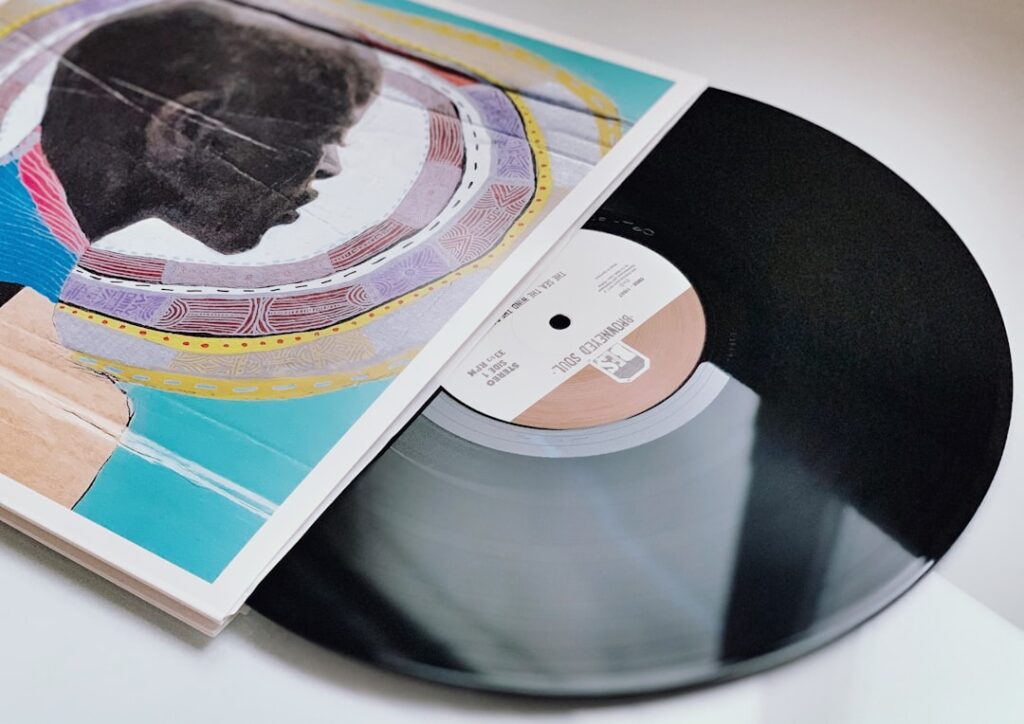
The belief that music, film, and publishing can stay digital-first overlooks the revenue leakage to analog channels. Vinyl sales grew annually after 2026, and boutique film labs reported a significant increase in demand for physical prints.
We have observed firms that dismissed the analog tide losing market share to competitors who launched limited-run vinyl series or premium print books. The cost of inaction is not just lost sales; it is the erosion of brand relevance among consumers who now value tactile authenticity.
Our analysis also points to a broader cultural recalibration. As AI curates endless streams, professionals crave artifacts that anchor identity. This desire fuels demand for skills in analog production, from mastering vinyl mastering to operating vintage camera labs. Career pathways that once seemed niche now promise stable, high-earning trajectories.
The consensus gets the surface right: there is buzz around vinyl, film, and printed books. It correctly notes that younger generations are experimenting with analog experiences.
But the cost of believing the buzz is fleeting is severe. Companies that treat the analog revival as a fad risk missing out on a significant market opportunity, while workers who ignore the emerging skill set may find their career capital eroding in a landscape that increasingly rewards tangible expertise.
You may also like
 Industry & Global Trends
AI Is Creating More Jobs Than It Cuts in India, Nomura Says
A recent report by Nomura Holdings reveals that AI technologies are creating more jobs than they are eliminating in India, highlighting a significant shift in…
Read More →Companies that treat the analog revival as a fad risk missing out on a significant market opportunity, while workers who ignore the emerging skill set may find their career capital eroding in a landscape that increasingly rewards tangible expertise.
Our view is that the resurgence of physical media is evolving into a movement that offers opportunities for content creators, brands, and consumers seeking meaning beyond the digital landscape. This shift is driven by a desire for tangible experiences and a sense of permanence, which is not being met by digital alternatives. As a result, companies and workers who adapt to this new reality will be better positioned to thrive in a market that values authenticity and tactile connections.