No products in the cart.

July Job Losses Highlight Economic Instability in the US
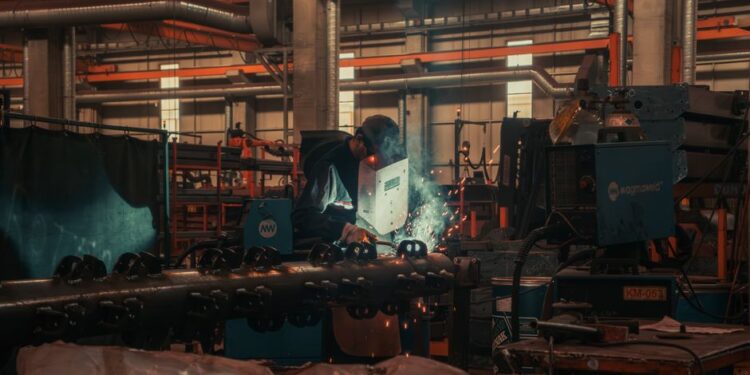
The US economy unexpectedly lost 23,000 jobs in July 2026, marking a significant downturn in the labor market, particularly affecting manufacturing and retail sectors amid rising inflation and geopolitical tensions.

The US economy unexpectedly lost 23,000 jobs in July 2026, marking a significant downturn in the labor market. This job loss is particularly concerning for manufacturing and retail sectors, which are already feeling the strain of reduced consumer spending and economic uncertainty. The latest report from the Bureau of Labor Statistics indicates that job losses were concentrated in local government education and retail, with the latter losing 19,000 positions. This downturn reflects a broader trend of economic instability that has been exacerbated by rising inflation and geopolitical tensions, particularly the ongoing conflict in the Middle East, which has further strained supply chains and consumer confidence.
The implications of these job losses extend beyond immediate employment figures. The manufacturing sector, which has faced declining demand, is now at a critical juncture. As consumers tighten their belts amid rising inflation and economic instability, manufacturers may struggle to maintain their workforce, leading to further layoffs. Career Ahead’s analysis indicates that this trend could result in a prolonged period of instability for manufacturing workers, who may find it increasingly difficult to secure stable employment. The Guardian notes that the overall job market is experiencing a slump, with previous months’ estimates revised downward, indicating a more severe economic contraction than initially reported.
Impact of Job Losses on Retail Employment
The retail sector’s job losses in July reflect a broader trend of declining consumer confidence. Many retailers are reporting lower sales, which is forcing them to reevaluate their staffing needs. According to Career Ahead’s research, retail employment is particularly vulnerable during economic downturns, as consumers often reduce discretionary spending. This shift in consumer behavior can lead to significant job cuts in the retail sector, as companies respond to decreased demand. The National Retail Federation has highlighted that while consumer spending has remained somewhat resilient, the personal savings rate has hit a four-year low, raising concerns about future spending patterns. This precarious situation leaves retail employees in a vulnerable position, as companies may opt to reduce their workforce to maintain profitability.
Moreover, the ongoing conflict in the Middle East and rising inflation have compounded these challenges. Retailers face higher costs for goods and services, which can further squeeze profit margins and lead to layoffs. As reported by CNN, the unexpected job losses in July come at a time when many businesses are struggling to balance rising operational costs with stagnant consumer demand. As job openings in retail decline, workers may need to consider alternative career paths or upskilling opportunities. Career Ahead analysis finds that workers in retail should be proactive in seeking training programs that align with the evolving demands of the job market. This could include enhancing digital skills or exploring roles in logistics and supply chain management, which continue to grow despite retail challenges.
As job openings in retail decline, workers may need to consider alternative career paths or upskilling opportunities.
Furthermore, the retail landscape is shifting with the increasing dominance of e-commerce, which has changed the way consumers shop. Traditional brick-and-mortar stores are facing stiff competition from online retailers, leading to a reevaluation of their business models. Many companies are investing in technology to enhance their online presence, which may require existing employees to adapt to new roles or technologies. Retail employees are likely to face increased competition for available jobs, and those with specialized skills or experience may find themselves at an advantage. Staying informed about industry trends and diversifying skill sets will be crucial for retail workers as they navigate this challenging environment.
Manufacturing Workers: Adapting to a Changing Landscape
Manufacturing workers are also feeling the effects of the recent job losses. The sector has been grappling with reduced demand, leading to layoffs and hiring freezes. The July job report indicates that while the private sector added 30,000 jobs overall, the gains were concentrated in healthcare, leaving manufacturing workers with fewer options. Career Ahead’s analysis shows that the manufacturing sector’s instability may force workers to consider pivoting to more resilient industries. The Guardian reports that the manufacturing sector’s challenges are compounded by a lack of new orders and increased operational costs, making it difficult for companies to sustain their workforce.
As companies look to streamline operations and cut costs, manufacturing workers may find themselves facing increased job insecurity. The ongoing economic slowdown is prompting many manufacturers to adopt automation and technology to enhance efficiency. This shift could further displace workers, particularly those in lower-skilled positions. Career Ahead has identified that workers in manufacturing will need to adapt by acquiring new skills relevant to emerging technologies, such as robotics and data analysis. The push towards automation is not just a trend but a necessary adaptation to remain competitive in a global market that is increasingly reliant on technology.
Furthermore, the construction sector, which is closely tied to manufacturing, is also experiencing job losses linked to slowing infrastructure investments. The reduction in construction jobs can have a cascading effect on manufacturing, as fewer construction projects mean lower demand for building materials and related products. This interconnectedness highlights the importance of understanding broader economic trends for manufacturing workers. As reported by ABC News, the slowdown in construction is a significant concern, as it not only affects immediate job availability but also the long-term health of the manufacturing sector.
In light of these challenges, manufacturing workers should consider seeking opportunities in sectors that are less susceptible to economic fluctuations. Industries such as renewable energy and technology are seeing growth and may offer more stable employment options. By focusing on upskilling and exploring new career paths, manufacturing workers can better position themselves for success in an uncertain job market. Overall, the job losses reported in July signal a concerning trend for both manufacturing and retail sectors. As consumer confidence wavers, these industries may continue to face challenges in the coming months. Workers in these sectors should remain vigilant and adaptable, as the landscape of employment continues to evolve.
What remains to be seen is how the Federal Reserve will respond to this data. With inflation pressures still looming, the central bank faces tough decisions that could further impact job growth. As the economic situation unfolds, manufacturing and retail workers must prepare for potential shifts in the job market that could affect their livelihoods.
By focusing on upskilling and exploring new career paths, manufacturing workers can better position themselves for success in an uncertain job market.
Frequently Asked Questions
What should manufacturing workers do in response to job losses?
Manufacturing workers should focus on upskilling to remain competitive in a changing job market. Career Ahead analysis indicates that acquiring skills in emerging technologies can provide a pathway to more stable employment opportunities.
How can retail employees prepare for potential layoffs?
Retail employees can enhance their employability by diversifying their skill sets and staying informed about industry trends. Career Ahead research suggests that training in logistics and digital tools can be beneficial in navigating a tightening job market.
What skills are in demand for construction laborers amid economic uncertainty?
Construction laborers should consider upskilling in areas such as project management and sustainable building practices. Career Ahead analysis finds that these skills are increasingly sought after as the industry adapts to changing economic conditions.
Related Articles
- Oil prices fall as US pauses strikes on Iran over strait of Hormuz
Written by Career Ahead AI. AI can make mistakes, so verify key facts. Report errors to support@careeraheadonline.com.