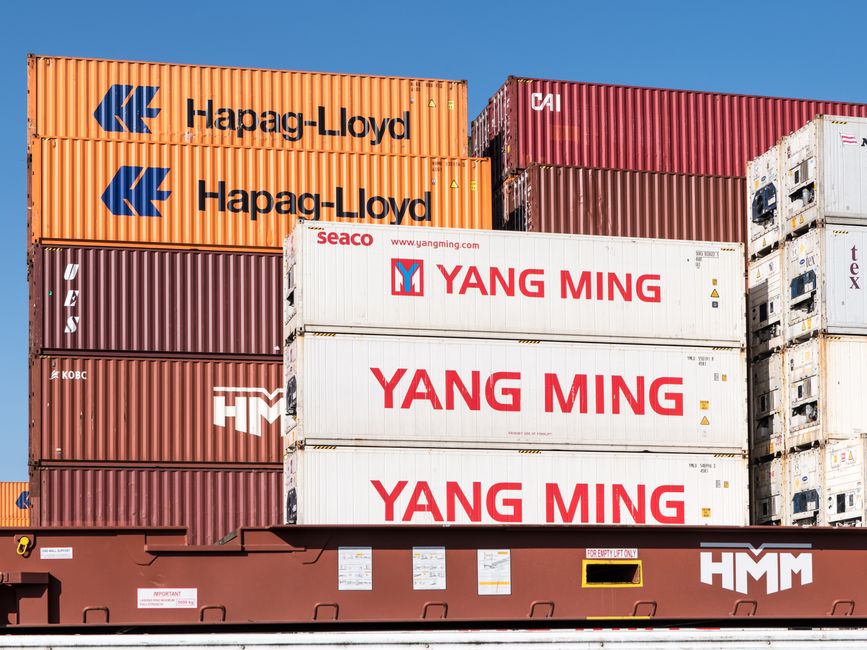
Rising freight costs are significantly impacting Micro, Small and Medium Enterprises (MSMEs) in India, particularly those involved in exporting goods. The ongoing geopolitical tensions have led to container shortages and soaring shipping prices, straining profit margins and operational viability.
India — Rising freight costs are significantly impacting Micro, Small and Medium Enterprises (MSMEs) involved in exporting goods. Recent reports indicate that shipping container costs have surged dramatically due to ongoing geopolitical tensions, particularly the U.S.-Iran conflict. For instance, the price for a 20 TEU container from Thoothukudi or Kochi to Colombo has increased from $400 to $600, marking a significant strain on exporters already grappling with tight profit margins.
The president of the Coimbatore District Small Industries Association, V. Rangaswamy, highlighted that the ongoing conflict has led to container shortages, exacerbating the situation for MSME exporters. This shortage is not just a logistical challenge but is also pushing freight costs even higher. Exporters of perishables, in particular, are suffering as they face delays in container availability, which can lead to spoilage and financial losses. According to a report by The Hindu, the ripple effect of these shortages is felt across various sectors, with many MSMEs reporting that they are unable to fulfill orders on time, leading to strained relationships with international buyers.
Impact on Profit Margins Across Sectors
The garment sector, particularly in Tiruppur, has reported freight costs skyrocketing by nearly 200% for shipments to the U.S. and European Union. While some reductions in costs have been noted recently, the overall trend remains concerning. For shipments to West Asian countries, the cost for a 20 TEU container has surged from approximately $300-$350 to $4,500, and for a 40 TEU container, it has jumped to $5,900 from about $700. These increases are crippling for MSMEs, who often operate on thin margins. The garment industry, which is a significant contributor to India’s export economy, is particularly vulnerable as it relies heavily on timely shipments to maintain its competitive edge in international markets.
Additionally, steel prices have risen by nearly 30%, and the costs of copper and brass have doubled, further squeezing the financial viability of MSMEs in the engineering sector. The increase in packaging costs adds another layer of complexity, making it increasingly difficult for these businesses to remain competitive in global markets. As freight costs rise, the profitability of exports diminishes, leading to potential long-term impacts on the sustainability of MSMEs. Many MSMEs lack the financial resilience to absorb these increased costs, which could lead to a wave of bankruptcies if conditions do not improve.
The increase in packaging costs adds another layer of complexity, making it increasingly difficult for these businesses to remain competitive in global markets.
Repeat founders convert prior successes and failures into a powerful flywheel that boosts funding, execution speed, and market insight, reshaping the startup landscape.
According to Pankaj Chadha, chairman of EEPC India, the dramatic increase in freight costs poses a significant challenge for exporters. Delays in container availability for shipments to the Americas and South America can extend up to two weeks, complicating logistics and potentially leading to lost contracts and customers. The inability to pass these costs onto buyers, who are also experiencing inflationary pressures, limits the options available to exporters. This predicament mirrors the challenges faced during the COVID-19 pandemic when freight costs surged due to supply chain disruptions. The current geopolitical climate is reminiscent of those times, creating an environment where MSMEs must adapt quickly or risk falling behind.
Mitigation Strategies for MSME Exporters
As MSME exporters confront these rising costs, several strategies can be employed to help mitigate their impact. One effective approach is to enhance logistics management by optimizing shipping routes and consolidating shipments whenever possible. By working closely with logistics providers, MSMEs can identify cost-effective solutions that may involve adjusting delivery schedules or utilizing alternative shipping methods. Moreover, the need for innovative logistics solutions has never been more pressing, as highlighted by industry experts who suggest that embracing digital transformation in logistics can lead to significant cost savings.
Another strategy involves exploring partnerships with other exporters to share container space, which can reduce individual shipping costs. Collaborative shipping arrangements can provide a buffer against rising freight charges, allowing MSMEs to maintain their competitive edge. Additionally, leveraging technology for better supply chain visibility can help exporters make informed decisions regarding shipping logistics. The integration of advanced tracking systems and data analytics can empower MSMEs to respond swiftly to changes in shipping costs and availability.
Furthermore, engaging in long-term contracts with freight carriers can offer price stability in a volatile market. By locking in rates, MSMEs can protect themselves from sudden price hikes while ensuring their supply chain remains intact. Proactive financial planning and cost management strategies are essential for MSMEs to navigate the current landscape effectively. Exporters should also consider diversifying their markets to spread risk and potentially find more favorable shipping conditions.
Ultimately, as freight costs continue to rise, MSME exporters in India must remain agile and innovative in their approaches to logistics and cost management. Those who can adapt quickly will be better positioned to thrive in an increasingly competitive global landscape. The ongoing geopolitical tensions and their impact on freight costs present a critical test for these businesses.
TechCrunch Disrupt 2026, taking place from October 13-15, 2026, in San Francisco, offers startups a unique opportunity to gain visibility and connect with industry leaders…
Proactive financial planning and cost management strategies are essential for MSMEs to navigate the current landscape effectively.
Frequently Asked Questions
What are the current trends in freight costs for MSME exporters?
Freight costs for MSME exporters have surged dramatically due to geopolitical tensions, with some costs increasing by over 200% for certain routes. The rising prices and container shortages are significantly impacting profit margins for these businesses.
How can logistics managers optimize shipping for cost savings?
Logistics managers can optimize shipping by consolidating shipments, enhancing route planning, and exploring partnerships to share container space. Utilizing technology for better visibility in the supply chain can also help in making informed decisions.
What strategies should MSME exporters adopt to cope with high freight costs?
MSME exporters should consider long-term contracts with freight carriers for price stability, diversify their market reach, and enhance logistics management to mitigate the impact of rising freight costs. Collaboration with other exporters can also provide cost-sharing opportunities.



 Entrepreneurship & Business
Entrepreneurship & Business