No products in the cart.

French Students Demand Change Now
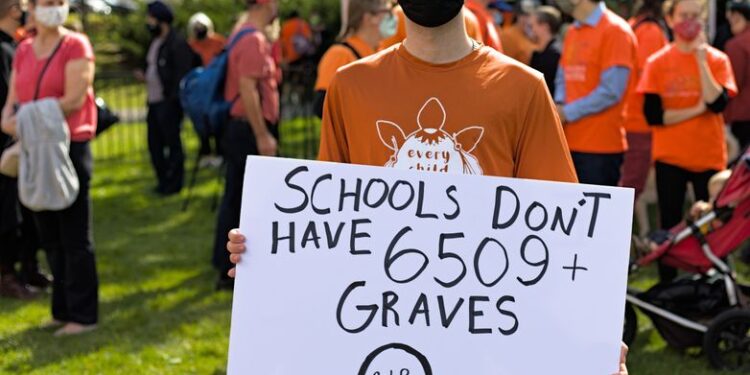
Students at Paul Éluard High School in a suburb of Paris are protesting against overcrowded classrooms, lack of resources, and poor infrastructure, reflecting a nationwide movement among French students.

France — Students at Paul Éluard High School in a suburb of Paris have taken to the streets, protesting against poor classroom conditions and inadequate facilities. This protest is part of a larger wave of unrest among high school students across the country, which has seen significant mobilization and activism in recent weeks.
The protests at Paul Éluard High School began after students expressed frustration over overcrowded classrooms, lack of basic resources, and poor infrastructure. This situation is not isolated; many schools across France are facing similar issues, leading to a growing sentiment among students that their educational environment is not conducive to learning. Reports indicate that many classrooms are filled beyond capacity, with some students forced to sit on the floor, which has sparked outrage among the student body and their families.
Growing Student Activism in France
The student protests at Paul Éluard High School are emblematic of a broader trend in France, where young people are increasingly vocal about their rights and needs. Recent protests have escalated, with students blockading their campuses and organizing demonstrations to draw attention to their grievances. According to reports, thousands of students have participated in similar protests across the nation, signaling a significant shift in how youth engage with issues affecting their education. The protests have not only been limited to high schools; university students have also joined the movement, amplifying calls for systemic change in the educational landscape.
Career Ahead’s analysis finds that this surge in student activism is driven by a combination of factors, including dissatisfaction with government policies, rising costs of education, and a perceived lack of support from educational authorities. Students have expressed their frustration through social media campaigns, which have garnered significant attention and support from the public. Notably, a recent article in Al Jazeera highlighted that the protests have turned violent in some instances, with clashes between students and police, underscoring the intensity of the students’ demands.
In addition to the protests at Paul Éluard, students have organized rallies in other cities, demanding better funding for schools and improved classroom conditions. This collective action demonstrates a united front among students, who are leveraging social media and community networks to amplify their message and mobilize support. The solidarity among students has been remarkable, with many high schools coordinating their protests to maximize impact and visibility. This has led to a sense of camaraderie among students, as they share their experiences and frustrations regarding the state of their education.
The students’ demands for better educational conditions could lead to significant discussions about the future of education in France, particularly regarding school funding and resource allocation.
You may also like
 Education & University Insights
IIIT Delhi BTech Average Package Hits Rs 20.77 Lakh
IIIT Delhi reports that the average salary for BTech graduates has reached Rs 20.77 lakh, with a placement rate of 98.26% for Computer Science and…
Read More →As these protests gain momentum, they are drawing attention from policymakers and the media alike. The students’ demands for better educational conditions could lead to significant discussions about the future of education in France, particularly regarding school funding and resource allocation. The French Ministry of Education has acknowledged the protests, stating that they are aware of the issues raised and are committed to addressing them, although specific plans remain unclear.
Potential Reforms in French Education Policy
The ongoing protests have prompted discussions among education policy analysts about the potential for reforms in the French educational system. Many experts argue that the current funding model for schools is outdated and fails to address the needs of students in a rapidly changing society. There is a growing consensus that a reevaluation of educational priorities is necessary to ensure that all students have access to quality learning environments. A report by the French Ministry of Education revealed that schools in low-income areas struggle with inadequate facilities and resources, exacerbating the disparities in educational quality across the country.
According to a report by the French Ministry of Education, many schools in low-income areas struggle with inadequate facilities and resources. This disparity in educational quality has sparked debates about equity in education and the need for targeted investments in underfunded schools. The protests at Paul Éluard High School may serve as a catalyst for broader reforms aimed at addressing these systemic issues. As highlighted in a TIME article, the protests reflect a deeper desire for meaningful change in the educational landscape, with students advocating for policies that prioritize mental health support, smaller class sizes, and improved infrastructure, which could significantly enhance their learning experiences.
As these discussions unfold, it is crucial for education policymakers to engage with students and consider their perspectives in the decision-making process. The involvement of youth in shaping educational policies can lead to more effective and relevant solutions that address the needs of the next generation. The government’s response to these protests will be closely monitored, as it could set a precedent for how student activism is treated in the future.
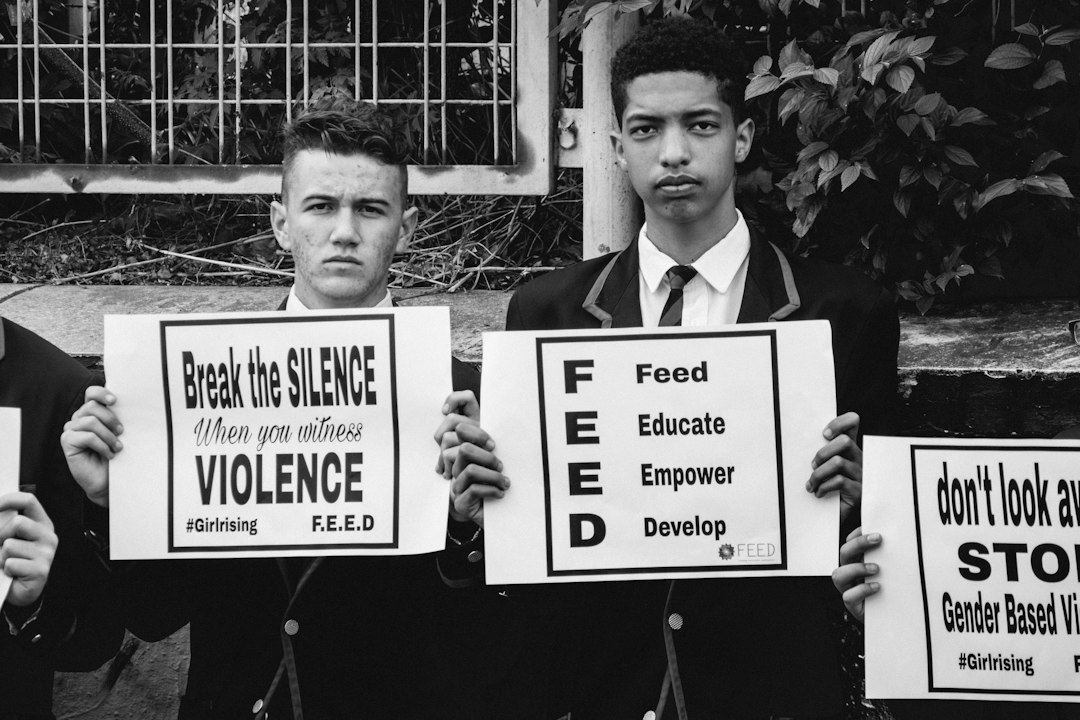
Career Ahead’s findings suggest that if the current protests lead to tangible changes in policy and funding, it could set a precedent for future student activism in France.
The protests at Paul Éluard High School and other institutions have the potential to influence school funding and educational policies across France. As students continue to mobilize and articulate their demands, there is an opportunity for dialogue between student groups and government officials. This interaction could pave the way for increased funding and resources for schools that desperately need it. Recent analyses indicate that public sentiment is shifting in favor of supporting educational reforms that address the concerns raised by students. Many parents and educators stand in solidarity with the protesting students, recognizing that better classroom conditions benefit not only the students but also the overall educational system.
You may also like
 Education & University Insights
Tamil Nadu Appoints Interim VCs at 10 Universities
The Tamil Nadu government has appointed interim vice-chancellors at ten universities, raising questions about governance and academic stability. This reflects a national trend of leadership…
Read More →Career Ahead’s findings suggest that if the current protests lead to tangible changes in policy and funding, it could set a precedent for future student activism in France. The ability of students to effect change through organized protests could inspire similar movements in other sectors, highlighting the power of youth voices in shaping societal norms and policies. As the situation evolves, it will be essential to monitor how the government responds to these protests and what measures are taken to address the students’ concerns. The outcome of these discussions could have lasting implications for the future of education in France, potentially leading to a more equitable and supportive system for all students.
With the continued mobilization of students and the growing support for their cause, the coming months will be critical in determining whether the protests lead to meaningful reforms in the French educational system. Will the government prioritize the needs of students, or will these protests fade into the background? The answers to these questions will shape the future of education in France.
Frequently Asked Questions
What are the main issues causing protests among high school students in France?
Career Ahead’s analysis shows that the primary issues include overcrowded classrooms, lack of resources, and inadequate school facilities. These conditions have led students to demand better educational environments and increased funding for their schools.
These conditions have led students to demand better educational environments and increased funding for their schools.
How can education policy analysts respond to student protests?
Education policy analysts can engage with student groups to understand their concerns and advocate for policy changes that address the systemic issues raised by the protests. This dialogue can help ensure that student voices are included in decision-making processes related to education.
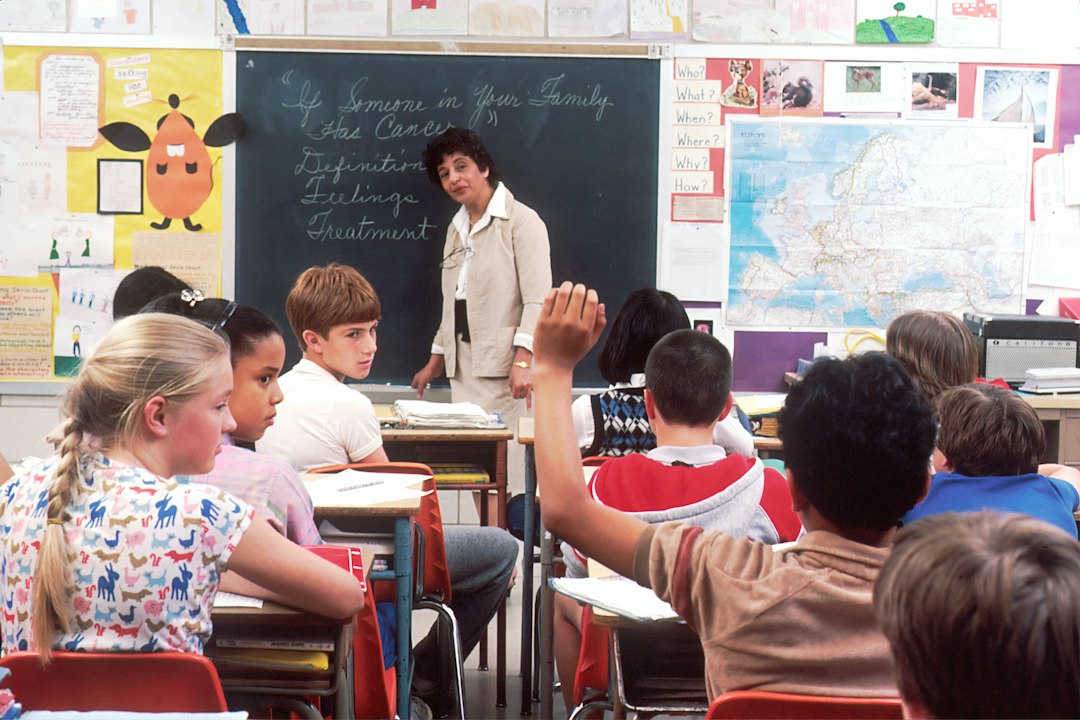
What should high school students do to address poor classroom conditions?
Students can organize and participate in protests to raise awareness about their issues and advocate for change. By mobilizing their peers and engaging with policymakers, they can push for improvements in their educational environments.
You may also like
 Education & University Insights
Lincoln University Students Challenge Missouri Funding Gaps
Lincoln University students in Missouri have filed a $549 million lawsuit against the state, claiming systematic underfunding of HBCUs. This case highlights broader issues of…
Read More →