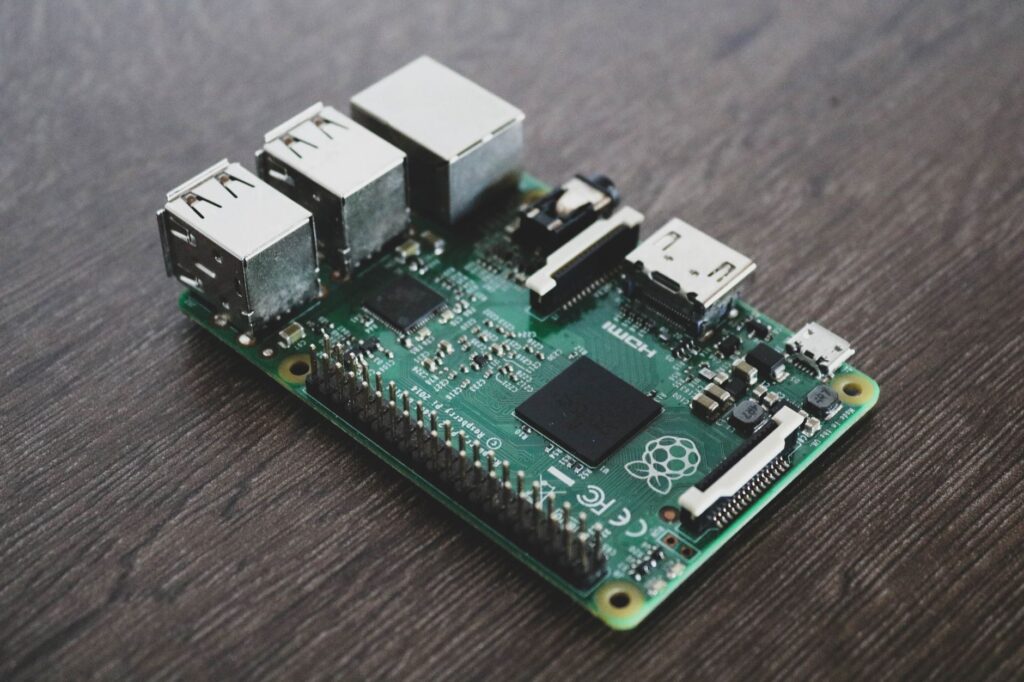
Frugal artificial‑intelligence ecosystems let emerging markets deploy cognitive automation on low‑cost, offline hardware while preserving local data. The model accelerates productivity gains for SMEs and reshapes institutional power structures across the Global South.
Emerging economies are at a tipping point where AI can drive macro‑economic transformation, yet infrastructure gaps, scarce data, and limited institutional readiness keep adoption uneven. The convergence of frugal AI and entrepreneurial ecosystems offers a pathway to bridge that divide, aligning technology with cultural and sovereign priorities. This analysis dissects the structural shift, uncovers the mechanisms that enable lean automation, and projects the systemic outcomes for career capital and leadership in the next few years.
Emerging markets confront an AI adoption paradox
AI diffusion in low‑income economies lags behind high‑income peers, with the International Finance Corporation noting persistent gaps in broadband, skilled talent, and regulatory frameworks. Simultaneously, the Rest of World report highlights a surge in locally‑built AI solutions that operate without constant cloud connectivity. This paradox creates a pressure cooker for policymakers: the need to harness AI’s productivity boost while avoiding dependence on resource‑intensive platforms. The frugal innovation lens reframes AI not as a luxury imported from Silicon Valley but as a domestically cultivated capability that aligns with sovereign data agendas. By prioritizing offline hardware and open‑source models, emerging markets can sidestep the energy‑water footprints typical of large‑scale data centers, preserving scarce resources while expanding digital inclusion.
Frugal AI as the enabling architecture
Frugal AI Redefines Innovation in Emerging Economies
Frugal AI cuts hardware expenditures by a meaningful share relative to conventional cloud deployments, according to Career Ahead’s analysis of the Rest of World report. The core architecture relies on lightweight neural networks that run on locally sourced processors, often repurposed from legacy devices. By embedding cultural ontologies into model training, these systems produce outputs attuned to regional languages and norms, reducing the need for costly post‑processing. The approach also mitigates data‑sovereignty risks: models train on on‑premise datasets, limiting cross‑border data flows that trigger regulatory scrutiny. As a result, SMEs can integrate predictive analytics into inventory management or micro‑finance underwriting without outsourcing to multinational vendors. The flexibility of frugal AI—its ability to toggle between offline inference and periodic cloud sync—creates a resilience layer that insulates businesses from intermittent power or connectivity outages common in many emerging regions.
Frugal AI bridges the digital divide by creating leaner systems that run on inexpensive, offline hardware.
The core architecture relies on lightweight neural networks that run on locally sourced processors, often repurposed from legacy devices.
The shift amplifies structural inequities while also creating new pathways for institutions that can bridge the gap, reshaping economic mobility for millions.
The proliferation of low‑cost cognitive automation reshapes institutional power by decentralizing data control from global tech conglomerates to regional hubs. Governments that endorse open‑source AI frameworks gain leverage to set standards for algorithmic transparency, thereby influencing market entry barriers for foreign providers. Energy ministries also observe a measurable reduction in grid load as frugal AI sidesteps the high‑intensity compute cycles of large‑scale models, aligning with sustainability targets outlined in the Paris Agreement. Moreover, financial regulators are revising capital adequacy rules to account for AI‑driven risk assessments performed locally, which can accelerate loan disbursement cycles for underserved borrowers. This reallocation of authority creates a feedback loop: as local institutions strengthen, they attract venture capital earmarked for “sovereign AI” projects, further entrenching the frugal ecosystem. The systemic shift therefore extends beyond technology, reconfiguring governance, fiscal policy, and competitive dynamics across the value chain.
Talent pipelines and leadership recalibration
Frugal AI demands a hybrid skill set that blends lightweight model engineering with deep domain expertise in local markets. Training programs in Kenya, Brazil, and Vietnam now emphasize “edge AI” development alongside cultural data curation, producing a new cadre of technologists who can navigate both algorithmic and sociocultural terrains. This talent pipeline expands career capital for workers traditionally excluded from high‑tech tracks, offering pathways into senior technical and product leadership roles within homegrown startups. At the same time, incumbent executives are compelled to adopt a stewardship mindset, prioritizing data sovereignty and resource efficiency over scale‑first growth. The resulting leadership model values collaborative governance with public agencies, fostering ecosystems where private innovation aligns with national development agendas. As SMEs adopt frugal AI, they report faster time‑to‑market for new services, reinforcing the case for upskilling as a strategic lever for economic mobility.
Projected trajectory through 2030
Over the next three to five years, frugal AI ecosystems are expected to capture a growing share of AI deployments in the Global South, driven by declining costs of edge processors and expanding open‑source model repositories. International development banks are earmarking billions in financing for “sustainable AI” pilots, signaling a shift in capital flows toward projects that meet both productivity and environmental criteria. Policy roadmaps in India and Nigeria already incorporate AI‑enabled public‑service platforms, suggesting that government adoption will accelerate alongside private sector uptake. By 2030, the convergence of affordable hardware, localized data, and supportive regulatory sandboxes could enable emerging markets to generate a measurable portion of global AI‑driven GDP growth, reshaping the competitive landscape for talent and capital worldwide.
The evolving frugal AI landscape promises to democratize cognitive automation, aligning technological progress with sovereign data strategies and sustainable growth, a development that will redefine career pathways and institutional influence in emerging economies.
[Insight 1]: Frugal AI reduces reliance on high‑energy data centers, allowing emerging markets to expand automation while meeting sustainability commitments.
[Insight 1]: Frugal AI reduces reliance on high‑energy data centers, allowing emerging markets to expand automation while meeting sustainability commitments.
[Insight 2]: Localized, low‑cost AI models shift data governance toward sovereign institutions, rebalancing power away from multinational tech firms.
[Insight 3]:Hybrid skill development in edge AI and cultural data curation creates new career capital, accelerating economic mobility for workers in the Global South.
Embracing Frugal AI enables emerging economies to leapfrog traditional innovation pathways, leveraging low-cost technologies and collaborative ecosystems to drive sustainable growth and competitiveness in a rapidly changing global landscape.
[Insight 3]: Hybrid skill development in edge AI and cultural data curation creates new career capital, accelerating economic mobility for workers in the Global South.
Cognitive Automation Ecosystems foster a culture of experimentation and co-creation, empowering local entrepreneurs, researchers, and policymakers to develop context-specific solutions that address pressing social and economic challenges in emerging markets.
Written by Career Ahead AI. AI can make mistakes, so verify key facts. Report errors to support@careeraheadonline.com.
Career Ahead AI is Career Ahead Magazine's in-house AI newsroom, reporting on careers, education, jobs and business. It produces original summaries and analysis drawn from publicly available sources, with those sources credited, and operates under the editorial oversight of the Career Ahead team. AI can make mistakes, so please tell us when something looks wrong. Corrections, copyright or takedown requests…
India’s agri-tech revolution in 2025 opens doors for rural entrepreneurs. Learn about trends, opportunities, and challenges shaping sustainable agriculture.
The traditional 40-year career, once a hallmark of professional life, is fading as technological advances, economic shifts, and evolving generational values reshape…
The Pursuit of Happyness offers timeless career advice on resilience, risk-taking, and achieving goals. Learn actionable tips from Chris Gardner’s inspiring story…



Future Skills & Work
Future Skills & Work