No products in the cart.

FTSE 100 hits record high despite AI sell-off

The index closed at 10,908 points, slightly below its record closing value of 10,910 from earlier in the year. This performance comes at a time when the tech-heavy Nasdaq index continued to face losses, emphasizing the divergent trends between these two markets. Investors have increasingly shifted their focus…

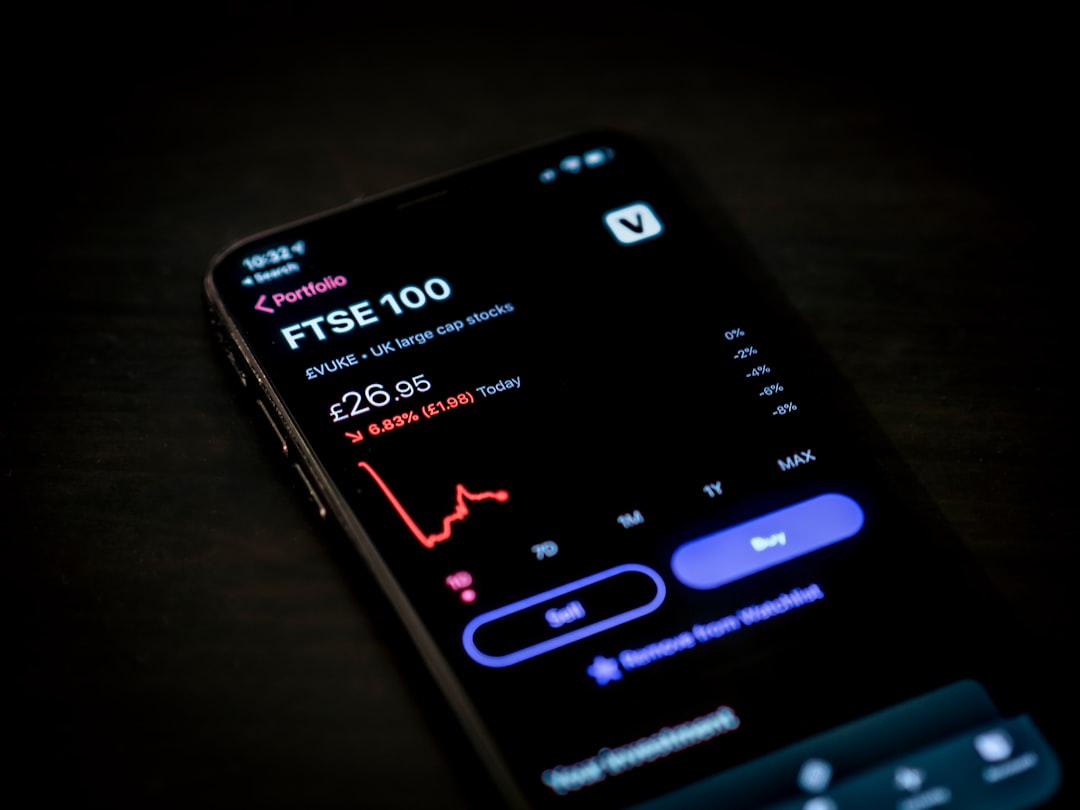
London, UK — The FTSE 100 stock index reached a new record high of 10,951 points on July 29, 2026, defying trends in the technology sector amid a global sell-off of AI stocks. This surge was largely attributed to robust corporate earnings from major companies, particularly in the finance and energy sectors, which have provided a buffer against the ongoing volatility in tech stocks.
The index closed at 10,908 points, slightly below its record closing value of 10,910 from earlier in the year. This performance comes at a time when the tech-heavy Nasdaq index continued to face losses, emphasizing the divergent trends between these two markets. Investors have increasingly shifted their focus away from technology and semiconductor stocks, which have been under pressure due to disappointing earnings reports. The Guardian noted that Asian chip firms have seen their shares plunge, contributing to the broader sell-off in tech stocks, which further underscores the FTSE 100’s relative strength.
Sector Performance Driving FTSE Growth
The FTSE 100’s impressive climb is largely driven by strong results from companies like Standard Chartered and Rio Tinto, both of which announced increased shareholder payouts. According to Career Ahead’s analysis, this focus on traditional sectors such as finance and energy has insulated the index from the broader tech sell-off that has affected markets globally. Standard Chartered, for example, reported significant profit growth, which has attracted investor confidence. Similarly, Rio Tinto’s announcement of higher dividends has further bolstered market sentiment. These developments highlight a shift in investment strategies, where analysts are now more inclined to invest in sectors that demonstrate resilience amid economic uncertainties.
Moreover, the FTSE 100’s performance contrasts sharply with the struggles of tech-heavy indices like the Nasdaq, where stocks have plummeted due to investor disappointment. The Irish Times reported that the FTSE’s resilience is particularly notable given the backdrop of a tech rout, suggesting a potential realignment in investment strategies, with a growing preference for sectors less affected by the volatility in technology.
This trend is significant, particularly as the global tech market faces challenges. The recent sell-off in AI stocks, spurred by concerns over spending and profitability, has led to a reevaluation of investment strategies. Investors are now looking for stability and consistent returns, which traditional sectors like finance and energy are currently providing. The FTSE 100’s record high reflects a broader sentiment that may prioritize established sectors over the speculative nature of tech investments.
Moreover, the FTSE 100’s performance contrasts sharply with the struggles of tech-heavy indices like the Nasdaq, where stocks have plummeted due to investor disappointment.
You may also like
 Industry & Global Trends
Škoda Auto India Aims for Record Sales Growth
Škoda Auto India is targeting an 8-10% growth in sales for the current year, aiming to achieve its highest-ever sales volume.
Read More →As the FTSE 100 continues to rise, analysts and portfolio managers are advised to monitor these sector trends closely. The ongoing strength in finance and energy could indicate a longer-term shift in investment priorities, especially as companies in these sectors demonstrate robust earnings despite external pressures. This shift may also prompt a reconsideration of the risk-return profiles that investors are willing to accept, particularly in light of the recent volatility in technology stocks.
Risk Management in Volatile Markets
The current market landscape necessitates a reevaluation of risk management strategies among investment analysts and portfolio managers. The stark contrast between the rising FTSE 100 and the declining tech stocks underscores the importance of diversification and sector analysis in portfolio management. Career Ahead’s analysis finds that the recent volatility in the tech sector has prompted many investors to reconsider their exposure to technology stocks. With companies like SK Hynix and Samsung Electronics experiencing significant share price drops due to disappointing earnings, the need for a balanced approach to investment is more critical than ever.
Furthermore, as geopolitical tensions continue to influence market dynamics, particularly in the Middle East, analysts must factor in these external risks when making investment decisions. The rise in oil prices, for instance, has implications for energy stocks, which have shown resilience amid the broader market turmoil. The Telegraph highlighted that the FTSE 100’s performance is also buoyed by the energy sector’s strength, which has been less affected by global uncertainties compared to tech stocks.
Investment professionals are encouraged to adopt a proactive stance in their risk management strategies. This includes closely monitoring sector performance and adjusting portfolios accordingly to mitigate potential losses from underperforming areas, particularly within the technology sector. The divergence in performance between the FTSE 100 and tech-heavy indices suggests that a more cautious approach may be warranted in the current environment.
As the market evolves, staying informed about macroeconomic indicators and sector-specific developments will be essential for investment success.
As the market evolves, staying informed about macroeconomic indicators and sector-specific developments will be essential for investment success. The ability to pivot and adapt to changing market conditions will be a key determinant of performance in the coming months. In summary, the FTSE 100’s record high amid a global AI sell-off presents both opportunities and challenges for investment analysts and portfolio managers. Understanding the underlying factors driving these trends will be crucial for making informed investment decisions.
The performance of the FTSE 100 signals a potential shift in investment strategies, particularly for analysts focused on equities. The index’s resilience against the backdrop of a tech sell-off suggests that there may be a growing preference for sectors that provide consistent returns over speculative growth. As analysts reassess their strategies, they should consider the implications of the FTSE 100’s performance for their investment portfolios. The focus on finance and energy sectors may lead to increased allocations in these areas, especially as companies continue to report strong earnings.
You may also like
 Industry & Global Trends
HFCL Stock Rises Amid AI, Defence Demand
HFCL's stock has tripled in the last six months, driven by a surge in orders for artificial intelligence and defence, indicating a growing demand for…
Read More →Moreover, the current environment presents an opportunity for analysts to refine their understanding of sector correlations. By analyzing the relationship between the performance of the FTSE 100 and the underlying sectors, analysts can better position their portfolios to capitalize on emerging trends. Career Ahead has identified that the ongoing volatility in tech stocks may prompt a reevaluation of long-term investment strategies. As companies in traditional sectors demonstrate resilience, there is potential for a shift in capital allocation that favors stability over high-risk investments.
Looking ahead, the question remains whether the FTSE 100 can maintain its upward trajectory amid ongoing global uncertainties. The ability of traditional sectors to sustain growth while tech stocks grapple with volatility will be a critical factor for investors to watch in the coming months.
Frequently Asked Questions
What sectors are contributing to the FTSE 100’s record high?
The finance and energy sectors are primarily driving the FTSE 100’s record high, with companies like Standard Chartered and Rio Tinto reporting strong earnings and increased shareholder payouts.
Investment analysts should monitor sector performance, corporate earnings reports, and geopolitical developments, as these factors will influence market dynamics and investment strategies moving forward.
How should portfolio managers adjust their strategies in light of the AI sell-off?
Portfolio managers should consider reallocating investments towards sectors that show resilience, such as finance and energy, while reducing exposure to volatile tech stocks that have been impacted by disappointing earnings.

What indicators should investment analysts monitor following this market shift?
Investment analysts should monitor sector performance, corporate earnings reports, and geopolitical developments, as these factors will influence market dynamics and investment strategies moving forward.
You may also like
 Industry & Global Trends
Wall Street’s $10 billion India hospital bet sparks a fight over bills | Career Outlook
Wall Street's $10 billion investment in Indian hospitals raises concerns about rising healthcare costs and access to care, mirroring challenges in the U.S. healthcare system.
Read More →