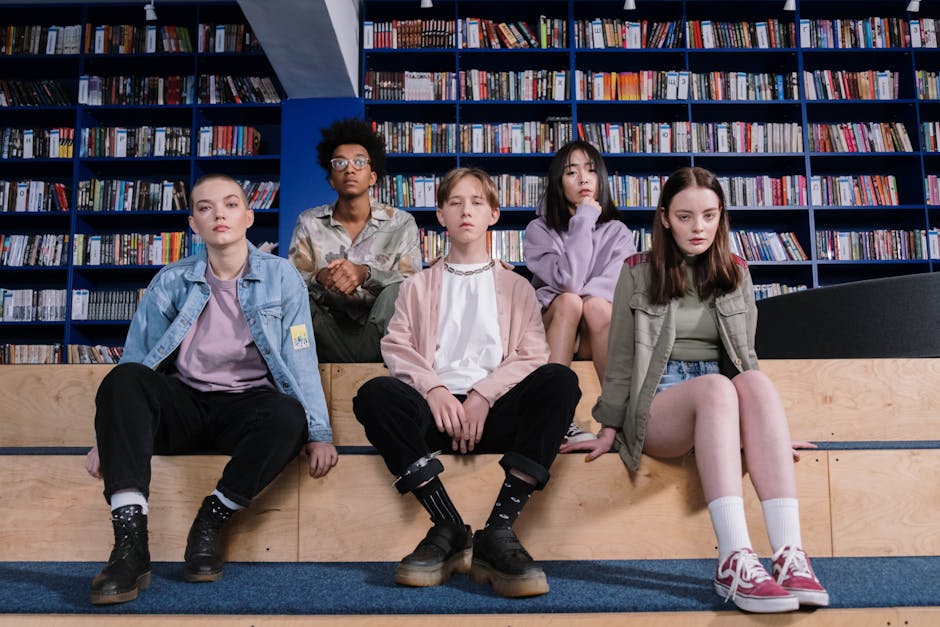
London, United Kingdom — As the Class of 2025 prepares for graduation, a seismic shift is underway in higher education. Generation Z, comprising individuals born from the late 1990s to the early 2010s, is increasingly abandoning traditional four-year degrees. Instead, they are gravitating towards alternative educational paths, including online courses, vocational training, and bootcamps.
This trend is not merely anecdotal; data from UNESCO and the OECD highlight a significant decline in university enrollment rates for traditional degrees in favor of non-traditional learning models. In 2025, global enrollment in higher education is projected to drop by 5% compared to 2020, while the demand for short-term skill-based training programs is on the rise, with a staggering 25% increase noted in the same period.

The implications of this shift are profound. For students making educational decisions, understanding the evolving job market and the skills employers prioritize is crucial. As companies increasingly seek candidates with practical skills over academic credentials, the relevance of traditional degrees is being questioned.
Context and Background
Between 2008 and 2024, perceptions of higher education have changed dramatically. A survey by the Pew Research Center found that only 45% of respondents believe that a college degree is necessary for success in today’s job market, down from 70% a decade earlier. This shift reflects a growing belief that alternative pathways can lead to successful careers without incurring the substantial debt associated with traditional degrees.
For students making educational decisions, understanding the evolving job market and the skills employers prioritize is crucial.
Factors contributing to this trend include rising tuition costs, which have increased by 300% over the last 20 years in the United States[1]. Additionally, the COVID-19 pandemic accelerated the acceptance of remote work and flexible learning, making online education more appealing. Educational institutions are responding; many are now offering hybrid models that combine traditional learning with digital options.
Analysis of Perspectives
Experts are divided on the implications of this shift. Proponents of alternative education argue that it democratizes learning, providing access to skills training for those who may not have the financial means or desire for a traditional degree. Bootcamps, for example, can cost a fraction of a degree and often lead to jobs in high-demand fields like tech and digital marketing.
 Career Tips
Build Your Credit Score After Your First Job
Many recent graduates may not realize the importance of their credit score until they need to make significant purchases.
Read More →However, critics caution against underestimating the value of a traditional degree. They argue that while skills are essential, a degree often provides a broader educational foundation and critical thinking skills necessary for long-term career growth. According to a report by the World Economic Forum, jobs that require higher education are expected to grow by 20% by 2030[2].
Moreover, the OECD warns that the trend towards non-traditional education could exacerbate existing inequalities in the job market. Those who can afford to invest in high-quality alternative education may gain a competitive edge, potentially sidelining those who cannot access these resources.
Forward-Looking Insights
As we look ahead, the education landscape is likely to become even more diversified. Companies are beginning to recognize the value of skills over credentials, with major corporations like Google and IBM actively recruiting candidates from non-traditional educational backgrounds. This shift may compel universities to adapt their curricula, focusing more on practical skills and less on theoretical knowledge.
They argue that while skills are essential, a degree often provides a broader educational foundation and critical thinking skills necessary for long-term career growth.
Ultimately, the future of work will demand a blend of both traditional education and alternative learning paths. Students and job seekers will need to remain flexible, continuously updating their skills to stay relevant in an ever-evolving job market. As this transition unfolds, it will be essential for educational institutions, employers, and policymakers to collaborate in creating pathways that ensure equitable access to quality education for all.
What does this mean for you? Whether you are a student, educator, or employer, it’s time to rethink how we define success in education and careers. The choices made today will shape the workforce of tomorrow, and embracing new models of learning can unlock opportunities for many.
 Career Tips
The job interview question you don't have to answer
UK job applicants are not obliged to disclose their current salary during interviews, a significant development in employment practices. This shift empowers candidates to negotiate…
Read More →Written by Career Ahead AI. AI can make mistakes, so verify key facts. Report errors to support@careeraheadonline.com.