No products in the cart.

Nigerian Government Advocates for Gender-Inclusive Leadership
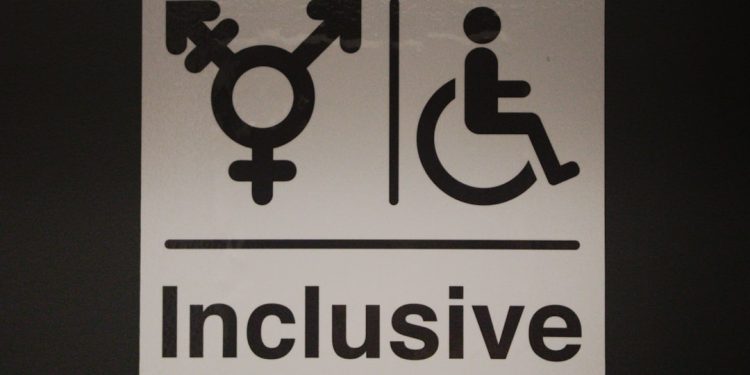
The Nigerian government is pushing for gender-inclusive leadership and workplace equity, highlighting the need for systemic change in corporate culture.

Abuja, Nigeria — The Nigerian government is taking significant steps towards promoting gender-inclusive leadership and workplace equity. On November 26, 2025, Nkeiruka Onyejeocha, the Minister of Women Affairs, announced the federal government’s commitment to fostering an environment where women can thrive in leadership roles across various sectors.
This initiative comes at a crucial time as Nigeria grapples with persistent gender disparities in the workplace. According to the World Economic Forum’s Global Gender Gap Report 2023, Nigeria ranks 140th out of 156 countries in terms of gender parity, with women significantly underrepresented in leadership positions. Onyejeocha’s declaration aims to address these inequalities, emphasizing that equitable representation is not only a moral imperative but also a catalyst for economic growth.
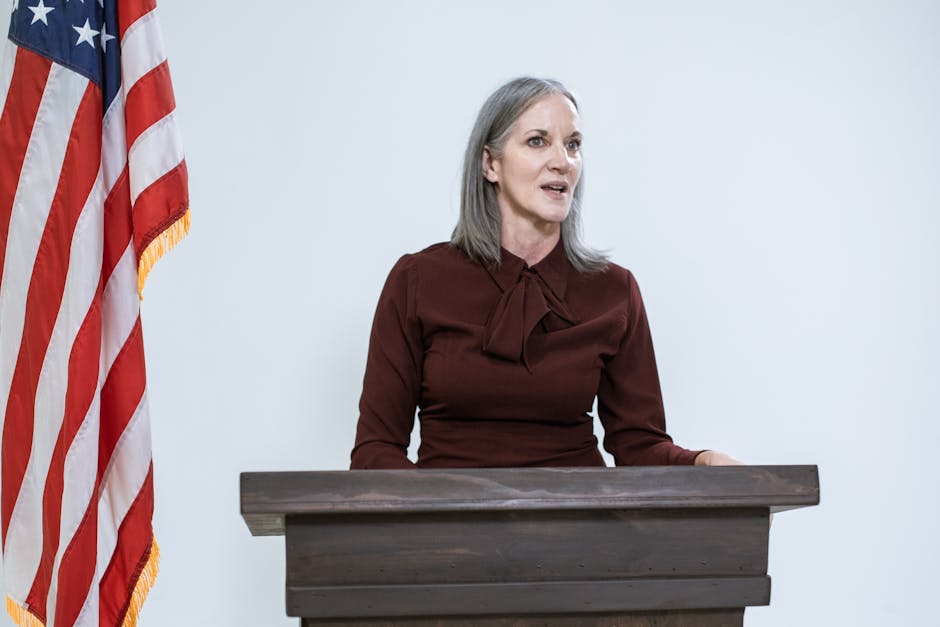
The push for gender equity is part of a broader strategy to enhance the country’s socio-economic landscape. Onyejeocha stated, “We need to ensure that women are not just present at the table but are also influential decision-makers. Gender equity in leadership is essential for sustainable development and national progress.” This sentiment aligns with global trends, where diverse leadership teams have been shown to drive better business outcomes and foster innovation.
Historically, Nigeria has faced challenges in achieving gender equality, exacerbated by cultural norms and systemic barriers. Women in Nigeria hold only about 23% of managerial positions, according to a 2022 report by the International Labour Organization. The Nigerian government’s current initiatives, including training programs and mentorship schemes, aim to empower women and dismantle these barriers.
Gender equity in leadership is essential for sustainable development and national progress.” This sentiment aligns with global trends, where diverse leadership teams have been shown to drive better business outcomes and foster innovation.
Moreover, the government is collaborating with private sector stakeholders to create an inclusive workforce. Companies like Access Bank and Unilever Nigeria have already implemented gender diversity programs, showcasing the potential for public-private partnerships in driving change. Access Bank’s initiative, for instance, has increased female representation in senior management roles by 30% over the past three years.
However, the path to gender-inclusive leadership is fraught with challenges. Critics argue that without strict enforcement of policies and accountability measures, these initiatives may fall short of their objectives. For instance, the lack of representation of women in political spheres—where only 7% of parliamentary seats are held by women—reflects the deep-rooted issues that need to be addressed comprehensively.
To combat these challenges, the Nigerian government is also focusing on education and awareness. Programs aimed at educating both men and women about the benefits of gender diversity are being rolled out in schools and communities. This grassroots approach seeks to change perceptions and encourage a culture that values equality.
As the government pushes forward, the role of technology in promoting workplace equity cannot be overlooked. Digital platforms are being leveraged to provide training and resources to women, enabling them to develop the skills needed for leadership roles. Initiatives like the Women in Tech program aim to bridge the gender gap in the tech industry, which is critical for Nigeria’s digital economy.
You may also like
 News
NewsDelhi Government to Introduce Private Universities Bill in August 2026
The Delhi Cabinet approved a draft law authorizing private and foreign institutions to operate as universities, with a 25% seat reservation for Delhi residents, and…
Read More →Looking ahead, the success of these initiatives will depend on sustained commitment from all stakeholders involved. The Nigerian government’s support for gender-inclusive leadership is a step in the right direction, but it requires a collective effort from businesses, civil society, and individuals to create lasting change. As Onyejeocha aptly put it, “We must work together to ensure that the future of Nigeria is one where everyone has an equal opportunity to succeed.”
Digital platforms are being leveraged to provide training and resources to women, enabling them to develop the skills needed for leadership roles.
As Nigeria embarks on this journey towards gender equity, the global community will be watching closely. The implications of these policies extend beyond national borders, serving as a potential model for other countries grappling with similar issues. The question remains: will Nigeria rise to the occasion and lead by example in the quest for workplace equality?