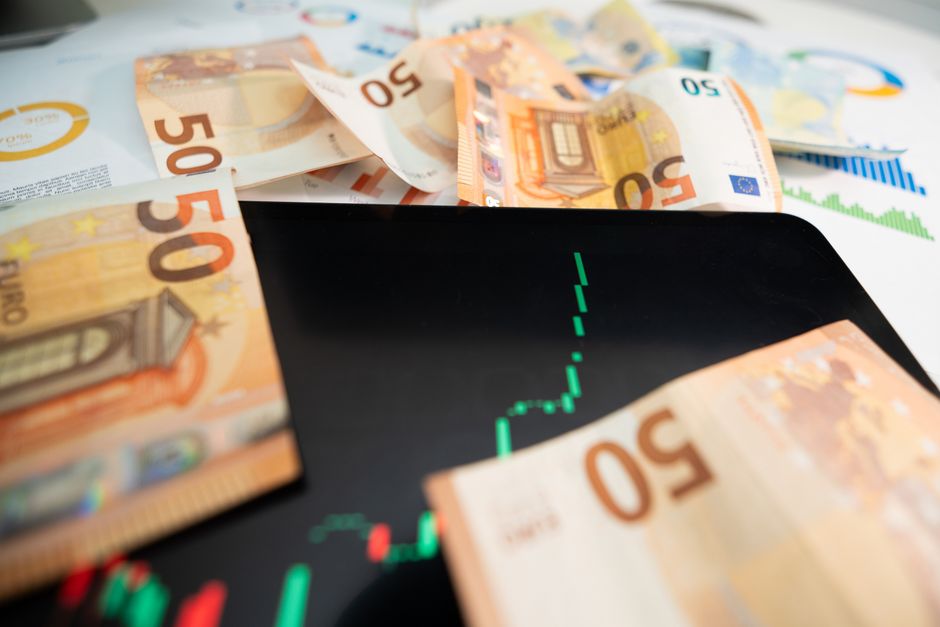
Germany’s economy is expected to grow by 1% in 2026, according to the Bundesbank. This forecast is a significant change from earlier predictions. It has important implications for financial analysts and business leaders in Europe. The growth is driven by better export performance and a slow recovery from past economic issues. The Bundesbank’s chief noted that while this growth is modest, it could signal a turnaround for the German economy. The economy has faced challenges like supply chain disruptions and rising energy costs. This growth projection comes at a crucial time as Europe seeks stability amid global pressures, including geopolitical tensions and inflation concerns.
Understanding this growth projection is vital for those watching economic trends and investment opportunities. The expected growth should be supported by a rebound in consumer spending. This spending has been slow in recent years due to economic uncertainties. Analysts are particularly interested in how the German economy will react to external factors, such as changes in global trade and the potential effects of climate change on industrial production.
Investment Strategies for Financial Analysts
With the projected 1% growth, financial analysts in Europe need to rethink their investment strategies. Career Ahead’s analysis suggests that this growth could change investor sentiment. Analysts should focus on sectors likely to benefit from increased consumer spending and export activities. Industries like manufacturing and technology may see a rise in demand as the economy stabilizes. For example, the automotive sector, a key part of the German economy, is expected to benefit from renewed consumer confidence and demand for electric vehicles, aligning with sustainability trends.
Analysts should also watch key economic indicators like GDP growth rates, employment figures, and inflation rates. These metrics will help assess the sustainability of the projected growth. If employment rates rise alongside GDP growth, it may indicate a strong recovery. This could lead analysts to recommend more investment in the German market. On the other hand, if inflation rates rise unchecked, it might hurt consumer spending and threaten the expected growth.
Another important factor for analysts is the impact of global economic conditions. Germany is an export-driven economy, so changes in global demand can greatly affect its growth. Analysts should monitor international trade agreements and geopolitical developments that could impact Germany’s exports. Recent reports from Reuters highlight that the German economy has faced challenges due to low water levels in rivers affecting logistics and transport. This issue could complicate export activities if not resolved quickly.
Analysts should also watch key economic indicators like GDP growth rates, employment figures, and inflation rates.
The Bundesbank has also noted that while growth is expected, risks remain, especially from external shocks. Financial analysts must consider these uncertainties when making forecasts and investment strategies. A cautious approach will help mitigate risks and take advantage of opportunities in the changing economic landscape. The balance between domestic policy changes and international market conditions will be key in shaping Germany’s investment climate.
Overall, the 1% growth forecast presents both challenges and opportunities for financial analysts. By adapting their strategies to fit emerging economic trends, they can position themselves and their clients for success in the German market. Analysts are encouraged to use data analytics and predictive modeling to refine their investment strategies. This will help them stay responsive to the rapidly changing economic environment.
Business Planning Adjustments for Leaders in Germany
For business leaders in Germany, the expected 1% growth requires strategic adjustments in planning and operations. Career Ahead research shows that companies should optimize their supply chains and improve operational efficiencies to benefit from the anticipated economic recovery. This focus will be crucial for businesses to respond quickly to changes in market demand. The Bundesbank’s recent publications stress the importance of agility in supply chain management, especially given ongoing global logistics disruptions.
Moreover, leaders should invest in workforce development to prepare for increased production needs. As the economy grows, demand for skilled labor may surge. Companies that prioritize training and upskilling their employees will be better positioned to meet this demand and gain a competitive edge. Emphasizing digital skills and technological proficiency will be especially important as industries adapt to new market realities.
Additionally, business leaders must pay attention to consumer behavior trends. The projected growth may change consumer spending patterns, influenced by inflation and disposable income levels. Understanding these trends will help businesses tailor their products and marketing strategies. Recent data shows that consumers are increasingly focused on sustainability and ethical consumption, which could impact product development and marketing approaches.
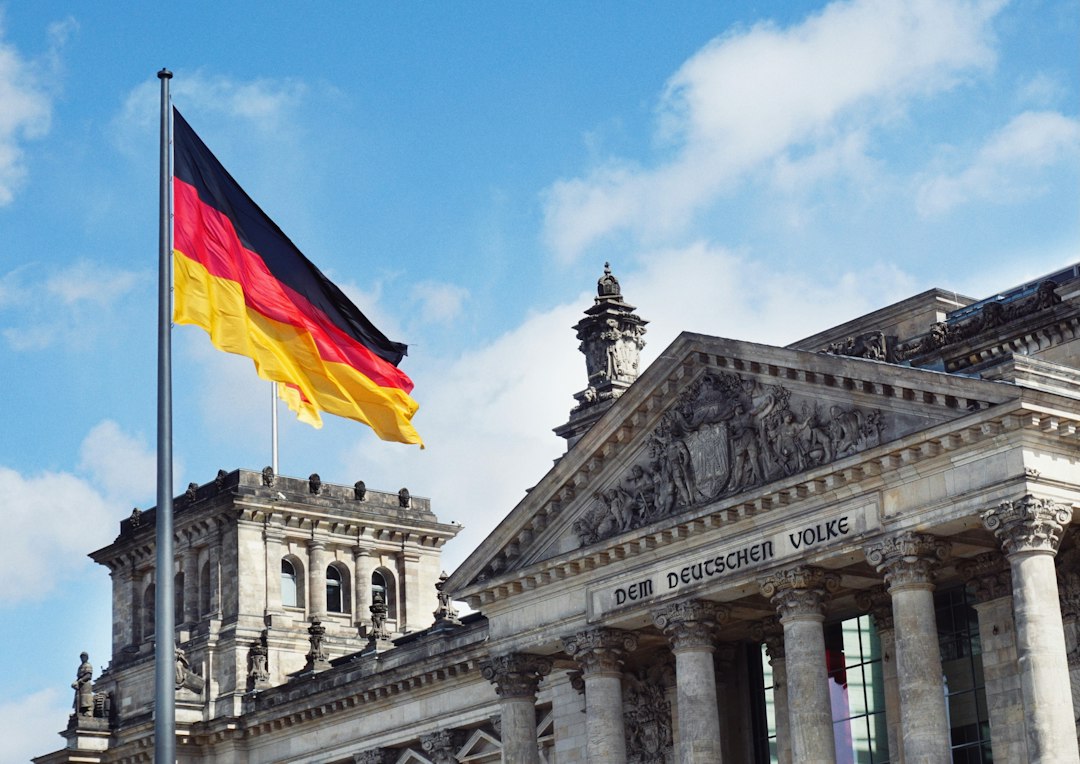
Moreover, leaders should invest in workforce development to prepare for increased production needs.
Collaboration with financial analysts can also improve business planning. By using insights from analysts, business leaders can make informed decisions about investments, resource allocation, and market entry strategies. This partnership can help businesses navigate the complexities of the economic landscape and seize growth opportunities. Integrating financial insights into strategic planning will be essential for long-term success as the economic environment evolves.
In summary, the 1% growth forecast is a crucial moment for business leaders in Germany. By taking a proactive approach and aligning their strategies with economic indicators, they can effectively respond to the challenges and opportunities ahead. The balance between strategic foresight and operational flexibility will determine how well businesses adapt to the expected changes in the economic landscape.
In conclusion, the projected 1% growth in the German economy presents a complex landscape for economists, financial analysts, and business leaders. By closely monitoring key economic indicators and adjusting their strategies, these professionals can navigate the changing economic environment and position themselves for future success.
Frequently Asked Questions
What economic indicators should economists monitor in light of the 1% growth forecast?
Economists should monitor GDP growth, inflation rates, and consumer confidence levels. These indicators will provide insights into the economy’s health and its potential for sustained growth.
Business leaders should optimize their supply chains, invest in workforce development, and analyze consumer behavior trends.
How can financial analysts adjust their models based on this growth projection?
Financial analysts can adjust their models by including the projected growth in their forecasts. They should focus on sectors likely to benefit from increased consumer spending and track key economic indicators to assess the sustainability of this growth.

What strategic adjustments should business leaders in Germany consider with the economy growing at 1%?
Business leaders should optimize their supply chains, invest in workforce development, and analyze consumer behavior trends. By aligning their strategies with economic indicators, they can effectively respond to market changes and seize growth opportunities.
Written by Career Ahead AI. AI can make mistakes, so verify key facts. Report errors to support@careeraheadonline.com.