No products in the cart.

German Industry Grows More Than Expected on Auto Sector
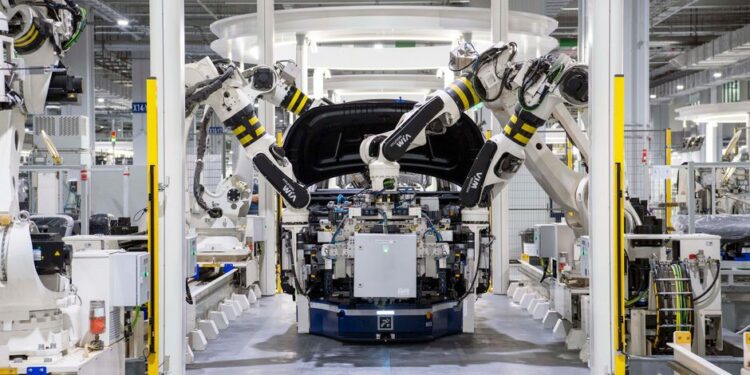
The automotive industry has long been a cornerstone of Germany's economy, providing jobs and driving innovation. Recent data reveals that the sector's output has rebounded sharply as consumer preferences shift towards electric vehicles (EVs). Major manufacturers, including Volkswagen and BMW, have ramped up production to meet this demand,…

Germany’s industrial production grew by 0.9% in May 2026. This growth exceeded economists’ expectations. The automotive sector led this increase with a remarkable 3.6% rise. This surge shows a significant recovery from earlier downturns. It is driven by higher demand for vehicles, especially electric models. The growth in production reflects the strength of the German economy. It also creates new opportunities for automotive engineers and manufacturing analysts.
The automotive industry has always been a key part of Germany’s economy. It provides jobs and drives innovation. Recent data shows that the sector’s output has rebounded sharply. This is due to changing consumer preferences towards electric vehicles (EVs). Major manufacturers like Volkswagen and BMW have increased production to meet this demand. This creates a ripple effect throughout the economy. According to Bloomberg, this growth indicates that Germany is overcoming economic challenges from global events, including the Iran war, which had previously hurt industrial output.
Increased Demand for Automotive Engineers
With the automotive sector’s strong 3.6% growth, the need for skilled automotive engineers is rising. Career Ahead’s analysis shows that this production surge will likely lead to many new hires. Companies will especially seek engineers with expertise in electric vehicle technology. As traditional combustion engines are replaced by electric alternatives, companies need engineers who can design and improve EV systems.
The shift towards EVs also requires new skills among engineers. Knowledge in battery technology, power management systems, and sustainable design will be increasingly valuable. As manufacturers invest in research and development, engineers who can adapt and learn these skills will be in high demand. The Wall Street Journal notes that this trend is not just a temporary spike but a long-term shift towards sustainability in the automotive industry.
As manufacturers invest in research and development, engineers who can adapt and learn these skills will be in high demand.
You may also like
 Industry & Global Trends
US Employers Cut Hiring, Wage Growth Stalls
The current labor market reflects a cautious stance from employers, with many opting to freeze hiring and reassess their workforce needs.
Read More →The growth of the automotive sector will also create opportunities beyond engineering roles. Jobs in design, testing, and project management will see increased demand. Companies will look for professionals who can manage the transition from traditional manufacturing to advanced, automated systems. As the industry evolves, integrating smart technologies will require a workforce that is both technically skilled and adaptable to rapid changes in production methods.
This trend is not limited to Germany; it reflects global shifts in the automotive industry. As countries worldwide commit to reducing carbon emissions, the demand for electric vehicles is set to grow. This makes automotive engineering a promising field for job seekers. The increased focus on sustainability will likely spur further innovation, creating opportunities for engineers skilled in green technologies.
Potential for New Manufacturing Technologies
The rise in automotive production is also driving innovation in manufacturing technologies. Companies are adopting advanced techniques like automation and artificial intelligence to improve efficiency and cut costs. Career Ahead research shows these technologies are changing how vehicles are designed and produced. This creates a need for engineers who can work with these new systems.
Career Ahead analysis finds that this demand will lead to more hiring for supply chain professionals who can manage logistics effectively.
For example, digital twins and simulation technologies allow manufacturers to test designs virtually before actual production. This approach speeds up development and reduces waste while improving product quality. Engineers who can use these technologies will be at the forefront of this change, making them highly sought after in the job market. The adoption of such technologies shows a trend where manufacturers aim to optimize operations using data-driven insights, as highlighted by Bloomberg.
As manufacturing processes evolve, supply chain management roles will also change. Integrating smart technologies into supply chains will require analysts who can handle complex data and optimize logistics. Companies will need professionals who ensure production meets demand while maintaining efficiency and sustainability. The focus on sustainable manufacturing practices is gaining traction. As environmental concerns grow, automotive companies are exploring ways to reduce their carbon footprint during production. This shift opens opportunities for engineers and analysts who can implement eco-friendly practices.
You may also like
 Industry & Global Trends
China Resumes Fuel Export Curbs, Impacting Global Energy Markets
China's reinstatement of fuel export curbs is set to tighten global energy markets, impacting diesel supply chains and raising prices worldwide. The regulatory changes present…
Read More →
The growth in the automotive sector will significantly impact supply chain management roles. As production increases, companies must ensure their supply chains can support this output. Career Ahead analysis finds that this demand will lead to more hiring for supply chain professionals who can manage logistics effectively. Supply chain analysts will be crucial in optimizing the flow of materials and components for vehicle production. They will need to use data analytics to forecast demand and manage inventory. As companies seek agility in their supply chains, professionals who can quickly adapt to changes will be invaluable.
Moreover, the emphasis on sustainability will also reshape supply chain practices. Companies will increasingly seek to partner with suppliers who prioritize eco-friendly materials and processes. This shift will create opportunities for analysts who can evaluate and select suppliers based on sustainability criteria, enhancing the industry’s commitment to reducing its environmental impact. As the automotive industry evolves, supply chain management professionals must stay updated on technological advancements and regulatory changes. Those who can navigate these complexities will be well-positioned to thrive in a rapidly changing landscape.
Overall, the growth in German industrial production, especially in the automotive sector, signals a positive outlook for job opportunities in engineering and manufacturing. As the industry adapts to new technologies and consumer demands, professionals with the right skills will lead this transformation. Looking ahead, the automotive sector’s future will depend on how well companies embrace innovation and respond to market changes. The continued growth of electric vehicles and sustainable practices will likely shape the industry’s future, creating a dynamic environment for engineers and analysts.
Career Ahead research shows that automotive engineers increasingly need skills in electric vehicle technology, battery systems, and sustainable design practices.
Frequently Asked Questions
What skills are automotive engineers in demand for due to production growth?
Career Ahead research shows that automotive engineers increasingly need skills in electric vehicle technology, battery systems, and sustainable design practices. As the industry shifts towards EVs, engineers with expertise in these areas will be highly sought after.
How can manufacturing analysts leverage this growth in the automotive sector?
Manufacturing analysts can leverage growth in the automotive sector by focusing on advanced manufacturing technologies and supply chain optimization. Those who analyze data and implement efficient processes will benefit from the industry’s expansion.

What should automotive engineers do about the rise in electric vehicle production?
Automotive engineers should consider upskilling in electric vehicle technologies and sustainable practices. This shift will enhance their employability as the industry prioritizes EV production and eco-friendly manufacturing processes.
You may also like
 Industry & Global Trends
Why Analysts Predict a Tough October for Indian Markets
Analysts predict a challenging October for India's Nifty index due to rising US yields, volatile crude prices, and a weakening rupee. These factors are prompting…
Read More →