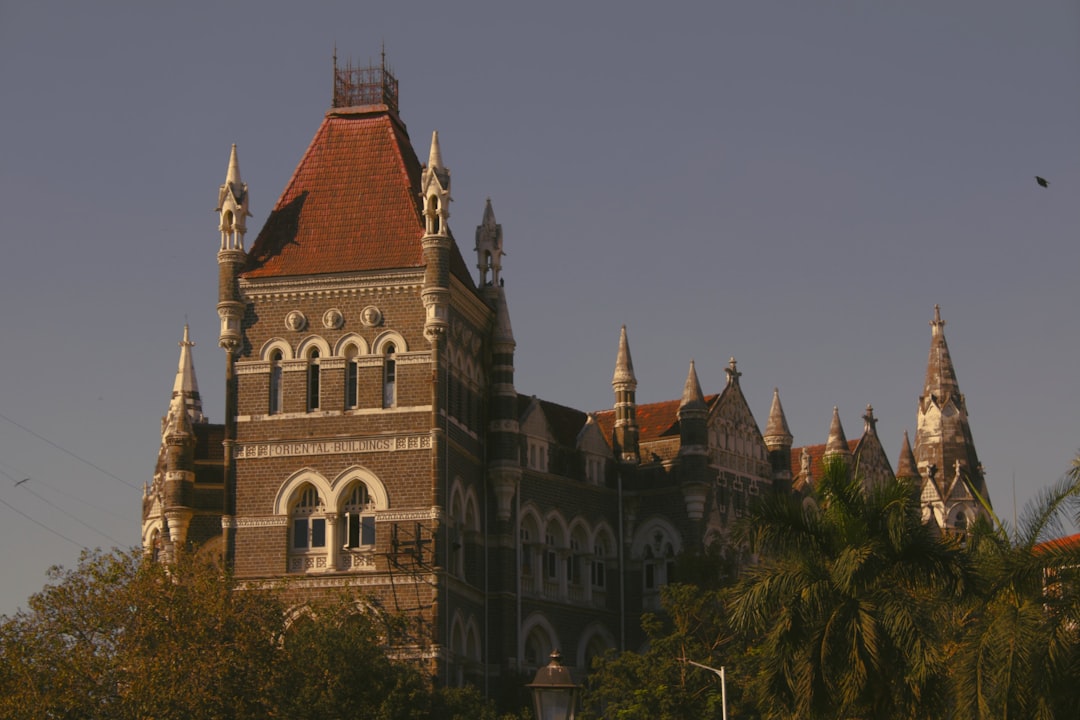
The exclusion of Government Law College (GLC) Mumbai and numerous other institutions from Maharashtra's law admissions has left thousands of aspiring students with limited options.
Maharashtra, India — The exclusion of Government Law College (GLC) Mumbai and other institutions from the first round of law admissions has disrupted many aspiring law students. This unexpected decision, announced on August 14, 2026, has left thousands without access to one of the state’s top law colleges. This drastically limits their options.
This year’s Centralised Admission Process (CAP) excluded nearly half of Maharashtra’s law colleges due to missing approvals. Only 102 colleges offering the three-year LLB program and 66 colleges with the five-year integrated LLB program were approved for the first round. This means there are only 16,060 seats available for over 74,000 applicants, creating a bottleneck in admissions. GLC has historically been a top choice for many aspiring lawyers, attracting the best students due to its strong reputation.
Impact on Admission Prospects for Law Students
The absence of GLC from the first round is particularly harmful for high-achieving students. GLC has been the first choice for many, often attracting the top percentile of law aspirants. Under current CAP rules, students assigned a college as their first preference must accept that seat. This forces those who would have chosen GLC to list other colleges as their top choice. This change limits their options and locks them into decisions made without knowing their chances of later gaining admission to GLC.
According to the Directorate of Higher Education (DHE), the number of available seats has shrunk dramatically. This has caused anxiety among students who have worked hard to secure their positions in a competitive environment. The emotional toll on students is significant, as many have invested time and resources into preparing for this crucial moment in their academic careers. The exclusion of GLC has raised concerns about the admissions process’s credibility. Students and parents are questioning the failures that led to this situation. Legal experts have expressed frustration, stating this is not just an administrative issue but a major compliance failure that has developed over years. A report from the Economic Times indicates that the exclusion of GLC and other colleges has left many students feeling disillusioned with the admissions process, increasing the stress associated with college admissions.
The emotional toll on students is significant, as many have invested time and resources into preparing for this crucial moment in their academic careers.
The Indian Institutes of Management (IIMs) are considering a common admission process for MBA programs to streamline applications and reduce candidate uncertainty.
Career Ahead’s analysis shows that the current crisis in law admissions reflects a larger trend in Maharashtra’s higher education. Regulatory compliance issues have increasingly affected student access to quality institutions. There is a strong call for reform to prevent such disruptions in the future. This situation has sparked discussions among educational policymakers about creating a more robust regulatory framework that can adapt to changes in legal education.
Changes in Admission Criteria and Future Outlook
The exclusion of GLC Mumbai and other colleges is due to their failure to meet specific regulatory requirements set by the Bar Council of India (BCI). In GLC’s case, the college had not paid the mandatory fee needed for participation in the admission process. However, this fee has now been paid, and GLC is expected to be included in the second round of admissions, pending approval. This news gives hope to many students who still want to attend GLC, but uncertainty remains a concern.
Other colleges face similar issues, with many flagged for not meeting staffing norms, including hiring qualified faculty. Until these problems are resolved, their participation in future admission rounds is uncertain. This situation highlights the need for colleges to maintain compliance to ensure students have uninterrupted access to education. As the admissions process continues, there may be potential adjustments. Reports suggest that the CET Cell has asked the state government to allow students to revise their college preferences before the second and third rounds of admissions. This would help students adapt their choices based on the latest information about college approvals, reducing the risk of being locked into poor choices.
Moreover, the ongoing legal discussions about the admissions process may lead to broader reforms in the regulatory framework for law colleges in Maharashtra. Stakeholders are advocating for a more transparent and efficient system that prioritizes student access and institutional accountability. The current crisis has highlighted the fragility of the admissions landscape, and many are calling for immediate reforms to prevent similar issues in the future. As the situation evolves, students and their families must stay informed about the changing landscape of law admissions. The potential for further disruptions remains, and resolving these issues will be crucial for the future of legal education in the state.
Frequently Asked Questions
What should law students do if their preferred college is excluded from admissions?
Students should stay updated on their preferred colleges’ status. They may need to consider alternative institutions while watching for possible changes in the admission process that could allow for preference adjustments.
This situation highlights the need for colleges to maintain compliance to ensure students have uninterrupted access to education.
How will the exclusion of GLC Mumbai affect the overall law admission process in Maharashtra?
The exclusion of GLC Mumbai has significantly reduced available seats for applicants, increasing competition for the remaining colleges. This situation has created uncertainty and anxiety among students, impacting their academic plans.
What alternative colleges should law students consider in light of this admission disruption?
Students may explore other reputable law colleges affiliated with Mumbai University or look outside the state. Institutions like Jindal Global Law School and National Law University, Mumbai, could be good alternatives for those seeking quality legal education.