No products in the cart.

Global Oil Prices Surge Following Saudi Pipeline Attacks

The recent attacks on Saudi pipelines have triggered a potential surge in global oil prices, raising significant concerns for energy analysts and supply chain managers. Understanding these dynamics is crucial for anticipating market shifts and making informed decisions in the energy sector.

Global oil prices are expected to rise sharply after attacks on Saudi pipelines on September 16, 2026. The Houthi movement took responsibility for these attacks, which targeted key infrastructure. This has caused major disruptions in oil supply, alarming energy markets worldwide.
The immediate aftermath has led to a volatile market reaction. Energy prices surged as traders reacted to the potential for reduced supply from one of the world’s largest oil producers. According to the World Bank, Saudi Arabia accounts for a large portion of global oil exports. Any disruption in its supply chain raises concerns among economists and analysts.
Impact on Oil Price Forecasting Models
The recent pipeline attacks have disrupted existing oil price forecasting models. Career Ahead’s analysis shows that traditional models, which depend on stable supply and demand, may no longer work. These models often miss the impact of sudden geopolitical events, leading to big forecasting errors.
Before the attacks, many analysts expected oil prices to stabilize around $70 per barrel. However, prices have spiked above $80 per barrel in response to the attacks. This reflects a shift in market sentiment and shows the need for analysts to adjust their models. The unpredictability of such events requires a more dynamic approach that includes geopolitical risks.
Energy economists must also adapt their methods to consider the potential for further escalations in the region. The Houthi group’s history of targeting Saudi oil infrastructure suggests that this may not be a one-time event. Analysts need to develop scenarios that account for different levels of disruption and their effects on global oil prices.
Given these developments, relying solely on historical data could lead to poor investment strategies. Analysts must now integrate real-time intelligence and geopolitical analysis into their forecasting models to stay relevant and accurate.
Given these developments, relying solely on historical data could lead to poor investment strategies.
You may also like
 Industry & Global Trends
US Employers Cut Hiring, Wage Growth Stalls | Career Outlook
The implications of this hiring slowdown are profound. With fewer positions available, job seekers face increased competition for roles, while HR managers must rethink their…
Read More →As oil prices continue to change, energy market analysts must stay alert and responsive to the evolving situation in the Middle East. The implications of these attacks go beyond immediate price increases; they indicate a possible shift in how energy markets react to geopolitical events.
Supply Chain Adjustments for Energy Companies
The disruption from the Saudi pipeline attacks shows the need for energy companies to reassess their supply chain strategies. With ongoing instability in the region, companies must prepare for possible further disruptions. Career Ahead research finds that companies that proactively adjust their supply chains are better positioned to manage risks from geopolitical events.
For example, firms may need to diversify their supply sources to lessen dependence on any single region. This could mean increasing imports from other oil-producing countries or investing in alternative energy sources. Companies that have relied on Saudi oil may face challenges if disruptions continue, so they must explore new partnerships and supply agreements.
Additionally, energy companies should implement stronger risk management frameworks. This includes developing contingency plans that can be activated during supply chain disruptions. By doing this, companies can maintain stability and protect their market share during volatile times.
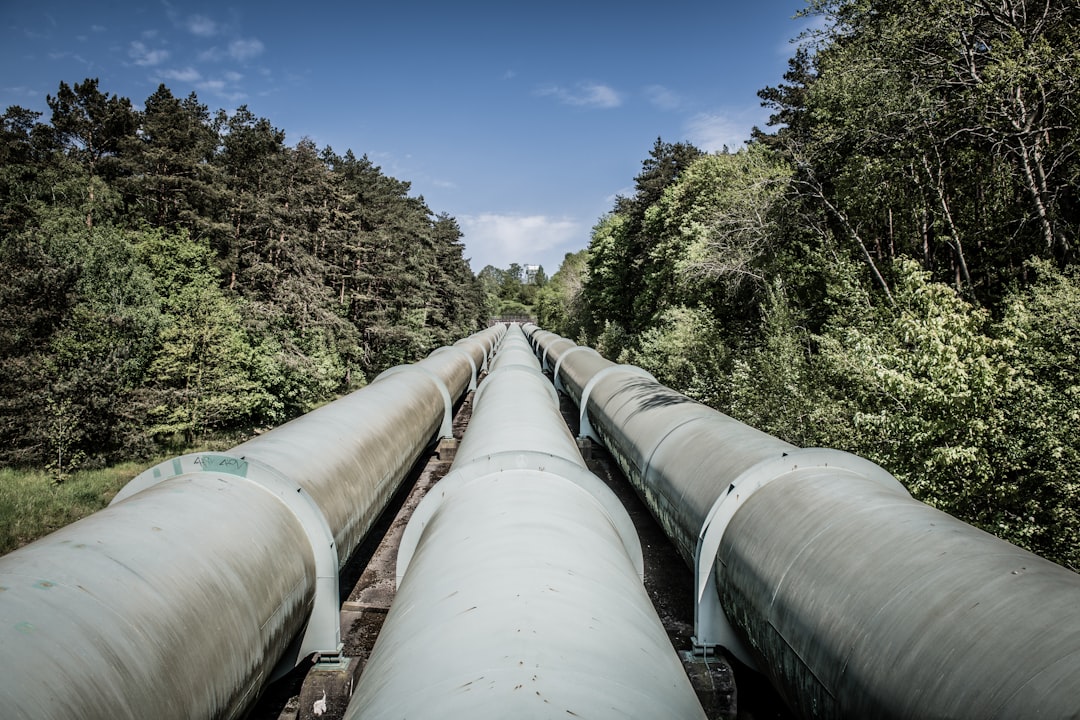
The recent attacks remind us of the importance of having a flexible supply chain. Companies that can quickly adapt to changing situations are likely to outperform competitors in a volatile market. This adaptability will help mitigate risks and seize opportunities during uncertain times.
Career Ahead’s analysis shows that sectors heavily reliant on stable oil prices may need to consider alternative investments or hedging strategies to protect against losses.
As the global oil market adjusts to these attacks, energy companies must remain agile and responsive. The ability to pivot quickly in response to geopolitical events will be crucial for staying competitive in the industry.
Strategic Planning for Energy Investments
The rise in oil prices after the Saudi pipeline attacks has important implications for strategic planning in energy investments. Investors and stakeholders must reassess their portfolios due to potential increased volatility. Career Ahead’s analysis shows that sectors heavily reliant on stable oil prices may need to consider alternative investments or hedging strategies to protect against losses.
You may also like
 Industry & Global Trends
Triyoga’s Crisis: Unpaid Instructors, Financial Struggles
Triyoga, once a favorite among celebrities and fitness enthusiasts, faced significant financial challenges leading to its downfall. Instructors reported that they had not received their…
Read More →Energy investors should closely monitor geopolitical developments and their potential effects on oil prices. The recent attacks highlight that geopolitical tensions can lead to rapid price changes, affecting investment returns. Investors may need to adopt a more cautious approach, focusing on sectors that show resilience amid volatility.
The ongoing uncertainty in the Middle East may also push investors towards renewable energy sources. As countries worldwide seek greener energy solutions, demand for renewables may rise, offering growth opportunities amid fossil fuel market volatility. Investors who diversify their portfolios to include renewable energy assets may be better positioned for long-term success.

In conclusion, the recent pipeline attacks illustrate the connection between geopolitical events and market dynamics. The energy sector must navigate these complexities strategically, ensuring investments align with the changing landscape of global oil prices.
The potential for further disruptions in the region could lead to ongoing volatility in oil prices, prompting a reevaluation of investment strategies and risk management practices.
As the situation evolves, stakeholders in the energy sector must stay vigilant. The potential for further disruptions in the region could lead to ongoing volatility in oil prices, prompting a reevaluation of investment strategies and risk management practices.
Frequently Asked Questions
What are the implications of rising oil prices for energy market analysts?
Rising oil prices indicate increased volatility, requiring analysts to adjust their forecasting models. They must include geopolitical risks to improve accuracy and relevance.
How should energy economists adjust their forecasts after pipeline attacks?
Energy economists should use more dynamic forecasting methods that consider geopolitical risks. This may involve creating scenarios that account for different levels of disruption and their effects on oil prices.
You may also like
 Industry & Global Trends
What is happening to the Indian IT bench? | Explained | Career Outlook
India's IT sector is undergoing significant changes in its bench policies, impacting job security and project allocation for IT professionals. Major firms are tightening their…
Read More →
What strategies should supply chain managers implement in response to oil price volatility?
Supply chain managers should diversify supply sources and establish strong risk management frameworks. This will help mitigate risks from potential supply disruptions and maintain operational stability.