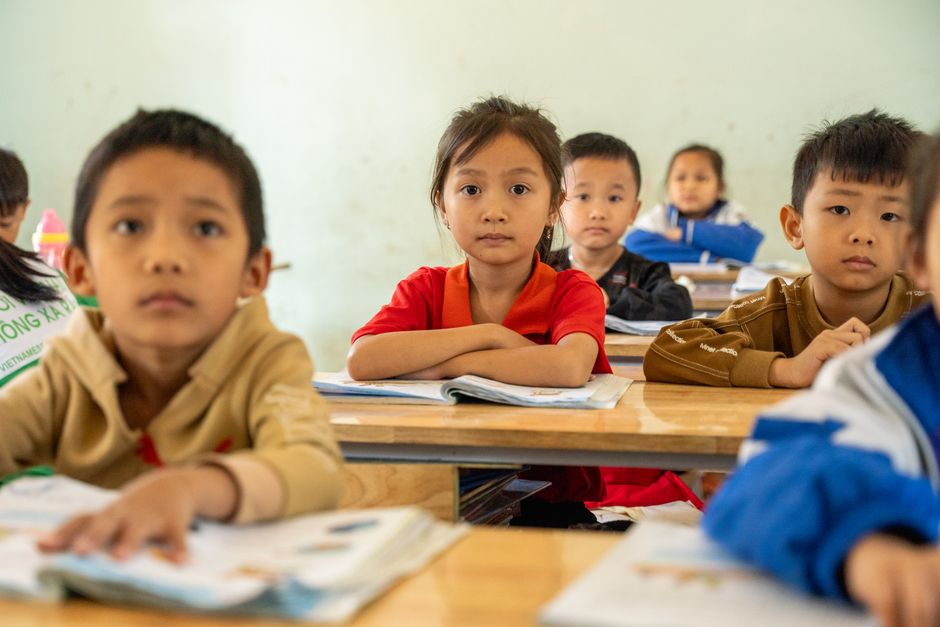
Several Asian countries are experiencing significant school closures due to declining birth rates and shifting demographics. In China, Russia, Japan, and South Korea, schools are shutting down or being repurposed at alarming rates. This trend not only affects students but also has profound implications for educators and school administrators.
In China, the number of primary and preschool enrollments dropped by approximately 10% in 2025, leading to a decline in educational institutions by over 6% to around 440,700. This shift has prompted the government to convert many abandoned schools into elderly-care facilities, reflecting the changing needs of the population. Similarly, Russia has seen a 45% reduction in secondary schools since 2000, primarily affecting rural areas where the student population has dwindled significantly. According to a report by News18, this trend is indicative of broader demographic shifts that are reshaping the educational landscape across these nations.
Shifting to Digital Education
As schools close, educators are increasingly reliant on online teaching platforms. The shift to digital classrooms is becoming a permanent aspect of education. Career Ahead’s analysis finds that teachers must develop new digital skills to engage students effectively in this online environment. UNESCO’s findings highlight that the global pandemic has accelerated the adoption of technology in education, making it imperative for educators to adapt swiftly.
For instance, South Korea’s Education Ministry reported the closure of 153 schools between 2021 and 2025, which included 120 elementary schools. This consolidation forces teachers to adapt their teaching methods to cater to larger, more diverse classrooms that may include students from different educational backgrounds. Engaging students in an online format presents unique challenges. Educators must find innovative ways to maintain student interest and participation. Techniques such as interactive lessons, gamification, and real-time feedback are becoming essential tools for teachers navigating this new educational landscape.
Moreover, primary education in Japan is also feeling the impact of these closures. With a reported 215 primary schools closing in just one year, educators are being pushed to rethink their approaches. The need for effective online engagement techniques is now more critical than ever, as teachers strive to keep students motivated and connected. The urgency of this situation is underscored by the fact that approximately 130 million children remain out of school in various countries, as reported by Vatican News, emphasizing the global nature of educational disruptions.
This investment in professional development is essential not only for immediate adaptation but also for long-term sustainability in an increasingly digital educational environment.
In light of these changes, ongoing training and professional development for educators is crucial. Schools must invest in training programs that equip teachers with the necessary skills to handle digital platforms and adapt their teaching strategies to meet the evolving needs of their students. This investment in professional development is essential not only for immediate adaptation but also for long-term sustainability in an increasingly digital educational environment.
Challenges for School Administrators
School administrators face significant challenges as they navigate the fallout from these closures. With fewer schools operating, resource management becomes increasingly complex. Administrators must find ways to allocate resources effectively while ensuring that educational standards remain high. In Russia, for example, the number of state schools in rural areas has plummeted from over 45,000 in 2000 to around 21,000 in 2026. This drastic reduction necessitates strategic planning to consolidate resources and staff, which can lead to increased workloads for remaining educators and administrative staff.
Furthermore, the repurposing of vacant school buildings into community centers or elderly care facilities raises questions about the future of education in these regions. Administrators must balance community needs with educational priorities, often under tight budget constraints. This requires innovative thinking and collaboration with local governments and organizations. The challenge is not only to maintain educational quality but also to ensure that the remaining schools can meet the diverse needs of their communities.
As schools close, the role of administrators will also shift towards crisis management. They will need to develop contingency plans to address potential future closures or shifts in enrollment patterns. This includes creating flexible operational strategies that can adapt to changing circumstances. Ultimately, the success of these adaptations will depend on the willingness of school administrators to embrace change and lead their teams through these challenging times. By fostering a culture of resilience and innovation, they can help ensure that education remains a priority even in the face of significant challenges.

Future of Education in Asia
Career Ahead’s research identifies that the ongoing trend of school closures in Asia is not merely a temporary issue but a reflection of broader demographic shifts. As populations age and birth rates decline, educators and administrators must prepare for a future where flexibility and adaptability are key to success. This trend underscores the urgent need for educators to embrace digital transformation. As schools continue to close, the ability to engage students in innovative ways will be critical. The future of education in Asia hinges on the capacity of both educators and administrators to navigate these changes effectively.
Frequently Asked Questions
What strategies can teachers implement during school closures?
Teachers can utilize various online platforms to maintain engagement, such as interactive lessons and gamified learning experiences. Adapting teaching methods to suit digital formats is essential for keeping students motivated.
As populations age and birth rates decline, educators and administrators must prepare for a future where flexibility and adaptability are key to success.
How should school administrators manage resources during closures?
Administrators need to strategically allocate resources and consolidate staff to maintain educational standards. This may involve collaborating with local governments to repurpose vacant school facilities for community needs.


What are effective online engagement techniques for primary education?
Effective techniques include using interactive content, real-time feedback, and gamification to enhance student participation. Teachers should focus on creating a dynamic online learning environment that fosters collaboration and engagement.
Written by Career Ahead AI. AI can make mistakes, so verify key facts. Report errors to support@careeraheadonline.com.