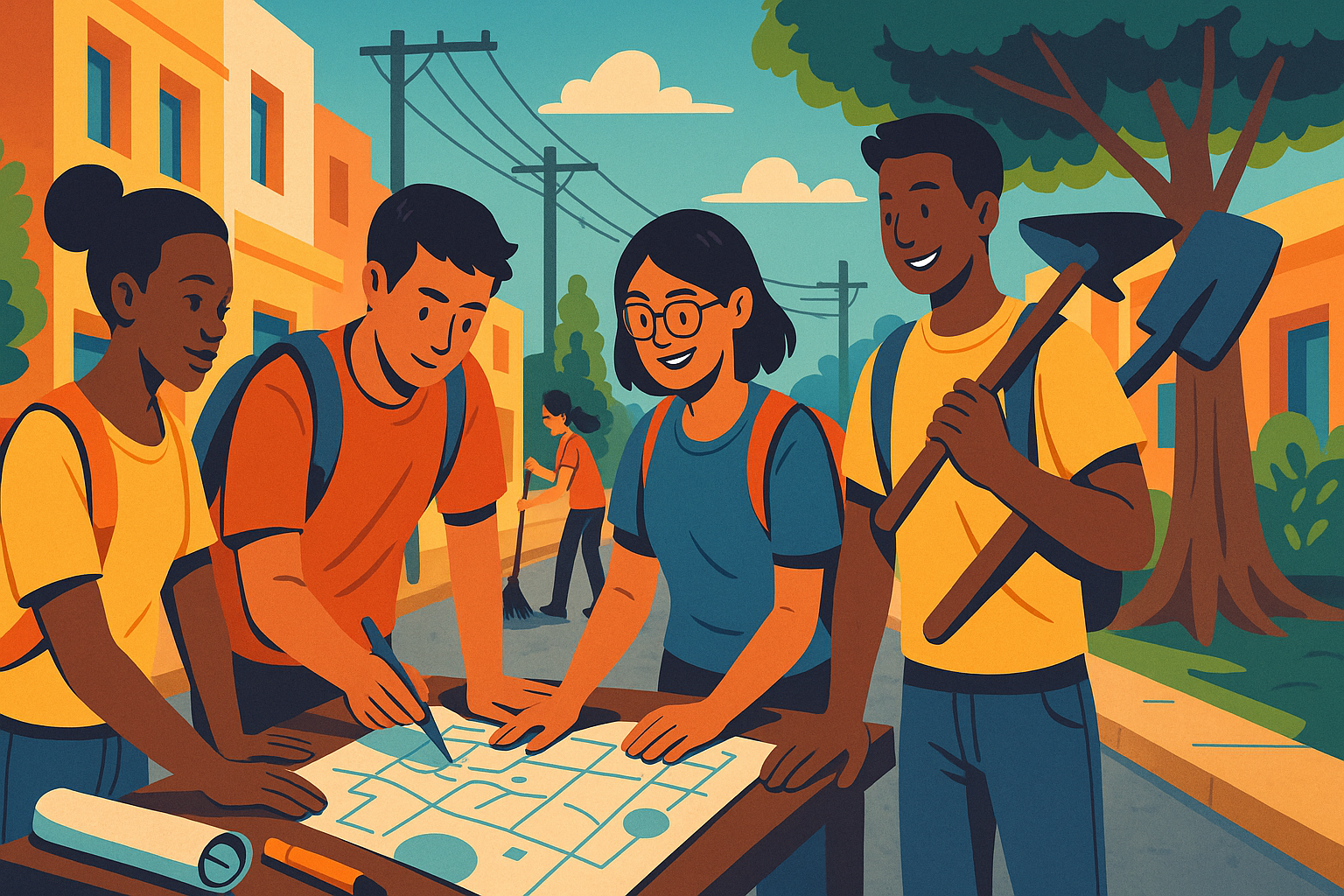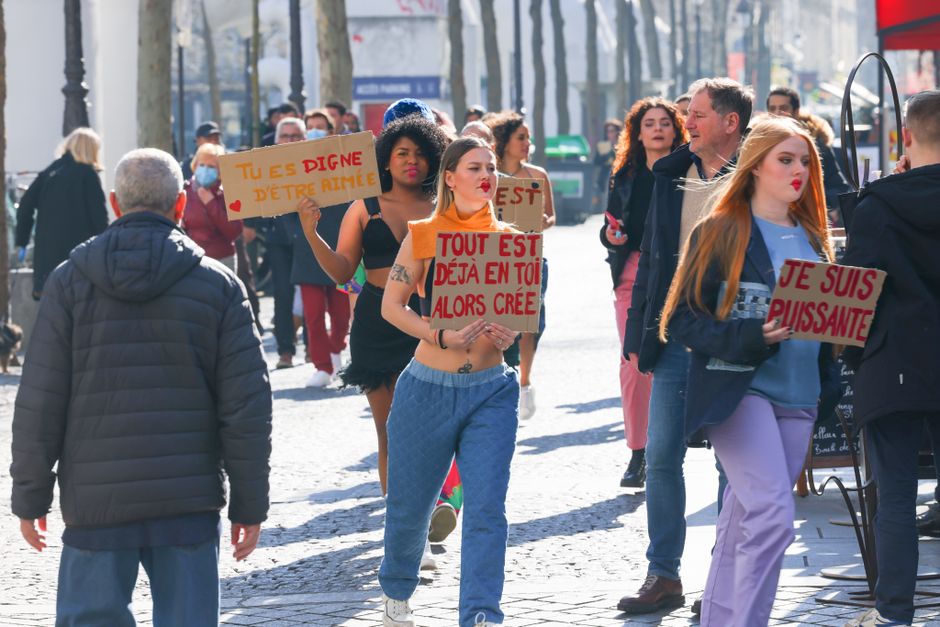
France is seeing a rise in school protests as students demand better educational conditions. Over 400 people, mostly minors, have been arrested in clashes with police during these demonstrations. The protests are spreading nationwide, driven by complaints about class sizes, teacher shortages, and poor school facilities.
President Emmanuel Macron recently criticized politicians who he says are “legitimising violence” in these protests. He acknowledged the students’ anger and anxiety, stating their concerns about timetables and classroom conditions are valid. However, he emphasized that violence is not a solution. His comments come as tensions rise, especially in the Ile-de-France region, which includes Paris.
Underlying Issues Driving Student Protests
The protests arise from long-standing problems in the French education system. Students are frustrated with large class sizes and a serious shortage of teachers. Recent heatwaves have worsened classroom conditions. According to Career Ahead’s analysis, these factors create a learning environment that many students find unbearable.
As reported by lemonde.fr, the French Prime Minister has warned against the irresponsible escalation of these protests. He noted that the government is aware of the systemic issues but is also concerned about the methods of protest being used. The Prime Minister’s comments show a tension between recognizing student grievances and condemning the violence during demonstrations.
Additionally, the protests reveal a generational divide in political discourse. Young people feel frustrated with what they see as a lack of responsiveness from their leaders. Their call for action is not just about immediate issues but also about a broader desire for systemic change in education.
Moreover, the ongoing unrest indicates a growing trend of student activism in France. Career Ahead research shows that this wave of protests is part of a larger movement. Students are becoming more vocal about their rights and needs. This activism could lead to significant changes in educational policy if the government responds effectively.
Students are becoming more vocal about their rights and needs.
Government Response and Its Implications
The French government’s response to the protests has been varied. While Macron has acknowledged the legitimacy of students’ concerns, he has also drawn a clear line against violence. This stance reflects a broader strategy to maintain order while addressing the issues that sparked the unrest.
As noted by aol.com, the government has started discussions about potential reforms in education. They aim to tackle class sizes and teacher shortages. However, the effectiveness of these discussions remains uncertain, especially with the protests escalating. Policymakers face the challenge of balancing immediate responses with long-term solutions that address the root causes of student dissatisfaction.
Furthermore, the protests have sparked debates among political leaders about education’s role in society. Critics argue that the government must prioritize funding and resources for education. As these discussions unfold, the pressure on the government to act decisively will only grow.
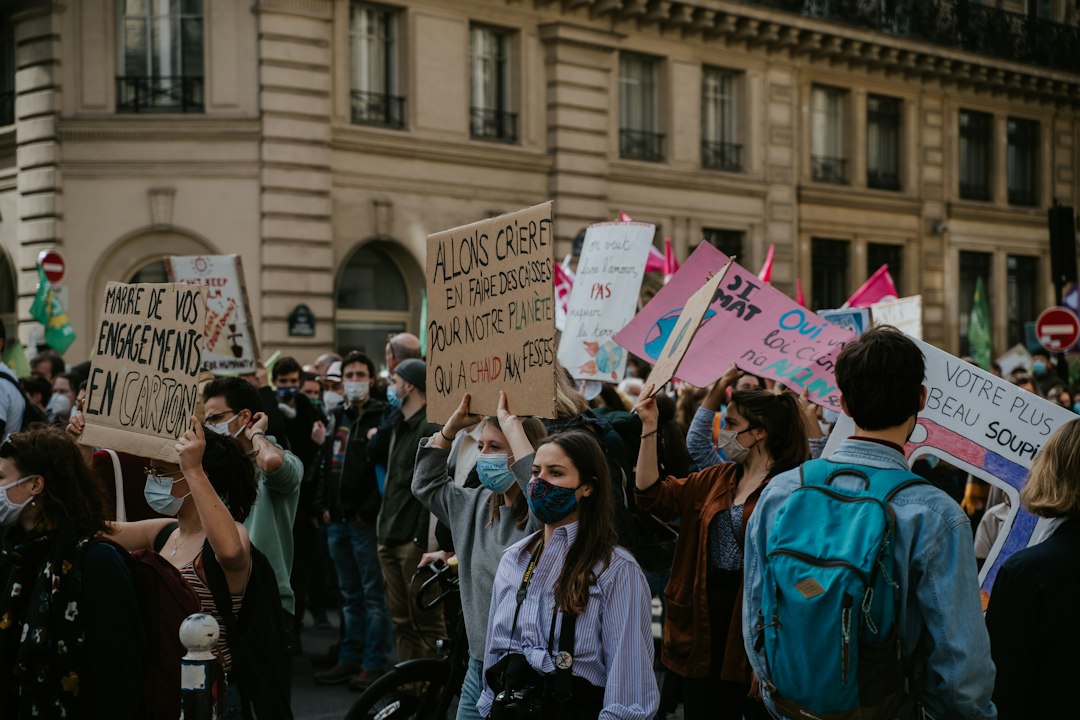
Additionally, the protests reflect a broader discontent among youth regarding societal issues, including economic opportunities and political representation. This sentiment could influence upcoming elections, as young voters may support candidates who prioritize educational reform and youth engagement.
Students advocate for better learning conditions and a more responsive educational framework.
Career Ahead analysis finds that the current unrest may lead to increased political engagement among young people. As they demand change, their influence on future elections and policy decisions may grow, reshaping France’s political landscape.
Why This Matters to Students and Educators
The ongoing protests highlight the urgent need for reforms in the French education system. Students advocate for better learning conditions and a more responsive educational framework. Their activism shows how important student voices are in shaping educational policy.
For educators and school administrators, these protests serve as a wake-up call. The issues raised by students, like overcrowded classrooms and insufficient staff, must be addressed. Ignoring these concerns could lead to more unrest and dissatisfaction among students.
As the situation evolves, it is crucial for all education stakeholders to engage in meaningful dialogue. The government’s response will be closely monitored, as any reforms following these protests could set a precedent for future educational policies.
Looking ahead, increased student activism suggests that French education could undergo significant change. As students continue to mobilize for their rights, their impact on policy and reform will likely grow, pushing for a system that better meets their needs.
The protests in France mark a pivotal moment for the education system. The demands of the youth could reshape the future of schooling in the country. Will the government address the underlying issues, or will the protests continue to escalate?
Many students feel their educational needs are not being met, leading to widespread dissatisfaction.
Frequently Asked Questions
What are the main reasons behind the current school protests in France?
The protests are mainly driven by student demands for better class sizes, adequate teacher staffing, and improved school conditions. Many students feel their educational needs are not being met, leading to widespread dissatisfaction.
How might the protests affect future education policies in France?
Career Ahead analysis suggests that the protests could lead to significant reforms in education. Policymakers may be compelled to address the concerns raised by students. This could result in changes to funding, class sizes, and teacher recruitment strategies.

What should high school students do to voice their concerns about educational conditions?
Students can engage in peaceful protests, participate in dialogues with school administrators, and collaborate with student organizations to amplify their voices. Collective action is crucial for making their demands heard in the political arena.
Written by Career Ahead AI. AI can make mistakes, so verify key facts. Report errors to support@careeraheadonline.com.