


Organizations are constantly searching for effective leaders. Yet, identifying potential leaders has traditionally relied on outdated methods that often focus on past experiences and personality traits. Recent research reveals a new approach: by integrating neuroscience and artificial intelligence, companies can identify leadership potential much earlier.
This shift is crucial. As businesses face rapid changes, the demand for adaptable and innovative leaders grows. The ability to spot these leaders before they enter the workforce can reshape talent management. This article explores how neuroscience and AI are transforming leadership identification.
New Insights on Leadership Potential
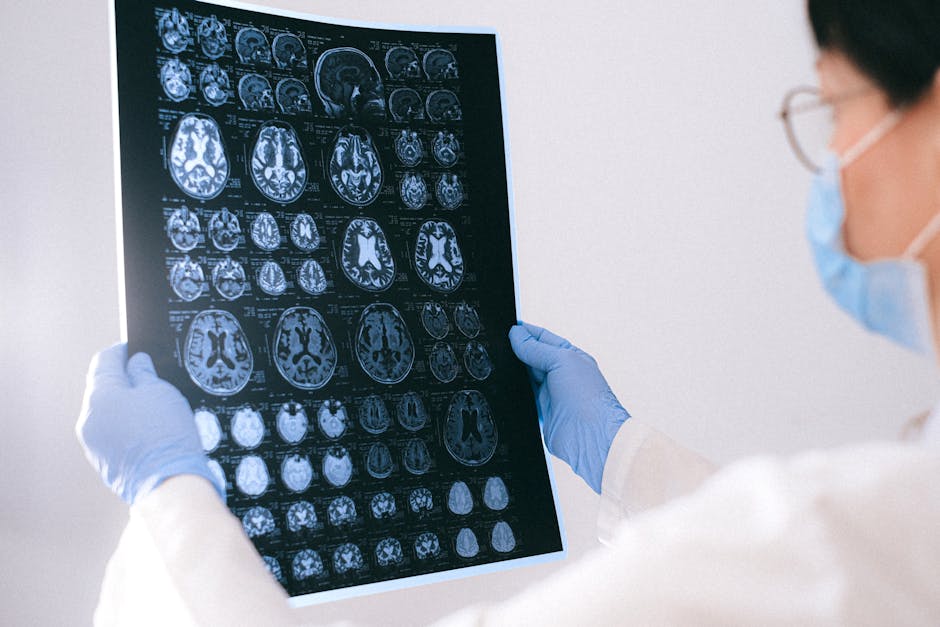
Research from the Wharton Neuroscience Initiative has illuminated how cognitive and behavioral signals can predict leadership potential. Traditional assessments often miss these crucial indicators. Instead of relying solely on resumes, organizations can now look at how individuals think and adapt under pressure.
The study analyzed undergraduate students, revealing that cognitive flexibility is a key trait among potential leaders. Those who can quickly switch strategies in stressful situations are more likely to excel in leadership roles. This finding shifts the focus from static personality traits to dynamic cognitive processes. According to the research, students who demonstrated cognitive flexibility were more likely to take on leadership roles, highlighting the importance of adaptability in emerging leaders.
Moreover, how individuals allocate their attention plays a significant role in leadership emergence. Future leaders tend to manage multiple priorities effectively rather than fixating on a single task. This broad focus allows them to navigate complex environments and make informed decisions. The research indicates that effective leaders distribute their effort across various tasks, including lower-reward activities, revealing a depth of processing often overlooked in traditional assessments.
According to the research, students who demonstrated cognitive flexibility were more likely to take on leadership roles, highlighting the importance of adaptability in emerging leaders.
According to Korn Ferry, a global organizational consulting firm, these insights can enhance existing talent assessments. By integrating neuroscience-based evaluations, companies can develop a more nuanced understanding of who might succeed as a leader. This approach not only identifies high-potential candidates earlier but also promotes a more diverse leadership pipeline by focusing on cognitive processes rather than conventional traits.
 News
NewsTesla Unveils Roadster With SpaceX-Developed Thrusters
Tesla unveiled the Roadster in Texas with air thrusters and short-distance lift; SpaceX helped develop the thrusters, shown in stunt demonstrations.
Read More →Neuroscience and AI in Action
The integration of neuroscience and AI is not just theoretical; it is being implemented in real-world scenarios. Platforms like Lazul.ai utilize game-driven assessments to measure cognitive abilities in real-time. These tools reveal how individuals think, adapt, and manage uncertainty—capabilities critical for leadership.
For instance, Lazul.ai’s assessments provide insights that traditional interviews and personality tests cannot capture. By focusing on how candidates respond to challenges, organizations can identify high-potential individuals who may not fit conventional leadership molds. The assessments are rooted in rigorous neuroscience and developed in collaboration with the Wharton Neuroscience Initiative, ensuring scientific validation.
This approach also helps reduce bias in the hiring process. By concentrating on cognitive processes rather than polished behaviors, companies can broaden their leadership pipelines. This inclusivity is essential for fostering diverse leadership teams that reflect the workforce. As organizations adopt these methods, they are likely to see a shift in their leadership demographics. By identifying potential leaders earlier, companies can nurture talent through targeted development programs, ensuring a robust leadership pipeline.
This inclusivity is essential for fostering diverse leadership teams that reflect the workforce.
Challenges and Considerations
While the integration of neuroscience and AI offers exciting possibilities, it also raises important questions. Critics argue that reliance on technology might overlook the human aspect of leadership. Leadership is not solely about cognitive abilities; emotional intelligence and interpersonal skills are equally crucial. The debate centers around balancing data-driven assessments with a holistic understanding of leadership.
 AI & Technology
GPT-6 Boosts Chatbot Interactivity with Intelligent UI
OpenAI's GPT-6 introduces an Intelligent UI that enhances chatbot interactivity, making complex topics easier to understand. This shift demands new design principles from UX designers…
Read More →Moreover, there is a concern that overemphasizing data-driven assessments could lead to a mechanistic view of leadership, risking the nuances of human behavior and the complexities of team dynamics. Organizations must balance data insights with a holistic understanding of what makes a great leader. As companies implement these new assessment tools, they must ensure transparency and fairness. The algorithms used in AI can inadvertently perpetuate existing biases if not carefully monitored. It is essential for organizations to continuously evaluate their processes to avoid reinforcing stereotypes.

The debate around these methods is ongoing. As more companies experiment with neuroscience and AI in leadership identification, the results will shape the future of talent management, prompting further discussions about the best ways to identify and develop leaders.
Transforming Leadership Identification
The future of leadership identification is promising. As neuroscience and AI continue to evolve, organizations will have access to more sophisticated tools that enable them to identify potential leaders earlier and with greater accuracy. This shift will impact not only talent management but also the overall organizational culture.
Emotional intelligence, empathy, and interpersonal skills will remain critical components of effective leadership.
Companies that embrace these methods may foster a more innovative and adaptable workforce. By recognizing leadership potential in diverse individuals, organizations can create a more inclusive environment. However, as businesses move forward, they must remain vigilant. The integration of technology should enhance, not replace, the human elements of leadership. Emotional intelligence, empathy, and interpersonal skills will remain critical components of effective leadership.
For young professionals and job seekers, understanding these trends is vital. As organizations increasingly adopt these innovative methods, candidates who can demonstrate cognitive flexibility and adaptability will stand out. Embracing continuous learning and development will be key to thriving in this evolving landscape.
Written by Career Ahead AI. AI can make mistakes, so verify key facts. Report errors to support@careeraheadonline.com.





