No products in the cart.

Google and SpaceX Explore Orbital Data Centers | Career Outlook

Google and SpaceX are collaborating on a groundbreaking project to launch data centers into orbit. This initiative could reshape cloud computing and data management globally.

In a groundbreaking move, Google and SpaceX are reportedly in talks to launch data centers in orbit. This initiative, which aims to leverage the advantages of space-based infrastructure, could transform how data is stored and processed. As cloud computing demands continue to surge, the need for innovative solutions has never been more pressing.
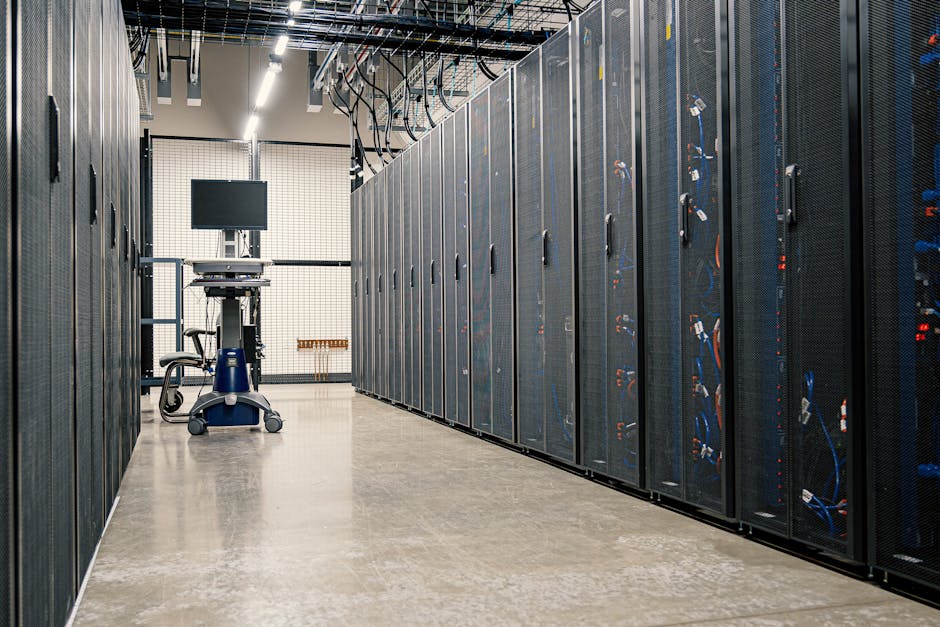
The concept of orbital data centers presents a compelling proposition. With the potential to utilize SpaceX’s Starlink satellite network, these centers could provide enhanced computing capabilities and low-latency data services on a global scale. This strategic collaboration suggests a significant shift in the tech landscape, where traditional terrestrial data centers may soon face competition from their space-based counterparts.
Vision and Economic Considerations
According to reports from The Verge, the discussions between Google and SpaceX are rooted in the vision of creating data centers that are not only efficient but also cost-effective. Elon Musk has touted the idea that operating data centers in space could ultimately be cheaper than their terrestrial counterparts. This assertion hinges on the belief that space-based facilities would avoid many of the regulatory hurdles and community opposition that often accompany ground-based constructions.
Moreover, the potential for orbital data centers to offer unparalleled scalability is significant. As demand for cloud services grows, the ability to quickly expand capacity in space could provide a competitive edge. This flexibility is particularly appealing to companies that rely heavily on data processing and storage, such as those in the AI and machine learning sectors.
However, the feasibility of this vision is still under scrutiny. Critics argue that the costs associated with launching and maintaining data centers in orbit may outweigh the benefits. According to TechCrunch, current terrestrial data centers are significantly cheaper when factoring in satellite construction and launch expenses. This raises questions about the economic viability of such an ambitious project.
This flexibility is particularly appealing to companies that rely heavily on data processing and storage, such as those in the AI and machine learning sectors.
Technological and Regulatory Hurdles
The technological hurdles involved in deploying data centers in orbit are substantial. The design and construction of facilities that can withstand the harsh conditions of space are complex and costly. Additionally, the logistics of maintaining these centers, including power supply and cooling systems, pose significant challenges.
You may also like
 Entrepreneurship & Business
Startups Captivating VCs at PearX Demo Day
The PearX program is renowned for its selective nature, capping its cohorts at just 20 startups. This approach facilitates focused mentorship and investment opportunities from…
Read More →Regulatory issues also loom large over the project. The deployment of orbital data centers will require navigating a complex web of international space laws and regulations. As noted by CNBC, compliance with these regulations will be crucial to avoid potential conflicts and ensure safe operations.
Furthermore, the implications of launching multiple data centers into orbit could spark debates over space debris and environmental concerns. As more entities seek to utilize space for commercial purposes, the risk of overcrowding in low Earth orbit increases, necessitating comprehensive planning and sustainable practices.
Market Dynamics and Competitive Landscape
The collaboration between Google and SpaceX could significantly impact the cloud computing market. By offering space-based data services, they may challenge existing providers and reshape competition. Companies like Amazon Web Services (AWS) and Microsoft Azure will need to respond strategically to this emerging threat.
Additionally, the potential for lower latency and improved global coverage could attract a range of customers, from startups to large enterprises. As businesses increasingly rely on cloud solutions, the ability to access data quickly and reliably will be a key differentiator in the market.
As businesses increasingly rely on cloud solutions, the ability to access data quickly and reliably will be a key differentiator in the market.
The broader implications extend beyond just market competition. The introduction of orbital data centers could stimulate innovation across various sectors, pushing other tech companies to explore similar avenues. This could lead to a new era of technological advancements, where space becomes a vital component of global infrastructure.
Contradictions and Ongoing Debates
Despite the excitement surrounding this initiative, there are notable contradictions in the discourse. While proponents highlight the potential benefits of orbital data centers, skeptics emphasize the economic and logistical challenges. The debate centers around whether the advantages of operating in space truly outweigh the costs and complexities involved.
Moreover, there is a divergence of opinion on the regulatory landscape. Some experts argue that existing regulations will hinder the rapid deployment of orbital facilities, while others believe that a collaborative approach between governments and private companies could lead to effective solutions. This ongoing discussion highlights the need for a balanced perspective on the future of space-based data centers.
You may also like
 Entrepreneurship & Business
Founders Face Open vs Closed AI Dilemma
Founders now see that selecting an AI model is more than just a technical choice. It is a core part of their business strategy. The…
Read More →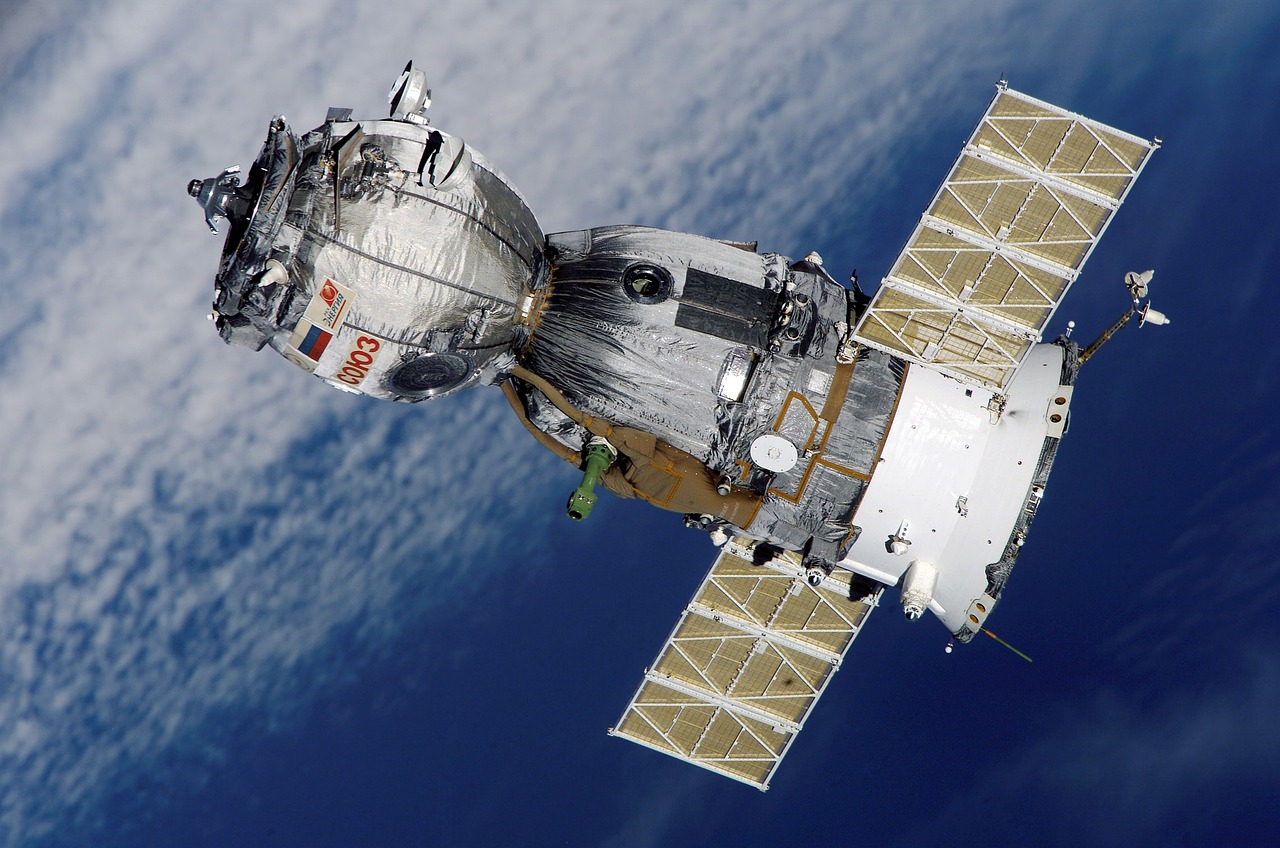
As the tech industry watches closely, the outcomes of these discussions could set the stage for a new era of cloud computing. For young professionals and job seekers, this emerging field may open up new career opportunities. As companies explore innovative technologies, the demand for skilled workers in aerospace, data science, and cloud computing is likely to increase. Individuals who position themselves at the intersection of these disciplines may find themselves at the forefront of a transformative industry.