No products in the cart.

Google’s Satellite Launch Transforms Cloud ML Careers

Google's recent satellite launch marks a significant shift in cloud computing, opening new avenues for cloud ML engineers and satellite communications professionals, emphasizing the need for adaptation to satellite-based data processing.

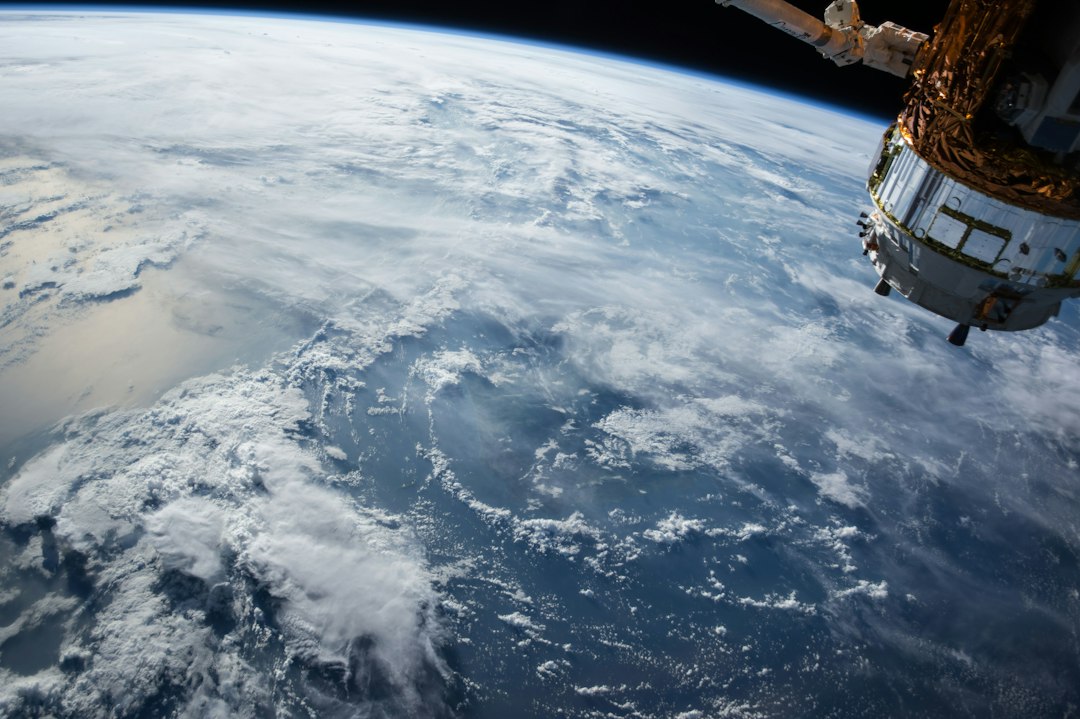
Google has launched a satellite to run its AI technologies from space. This marks a big step forward in cloud computing. The initiative started in late 2026 and aims to change how data is processed and transmitted. It will especially help cloud ML engineers and satellite communications engineers.
The satellite’s features represent a major shift in cloud infrastructure design. By using satellite technology, Google wants to improve data processing efficiency and cut down latency. This change could greatly impact engineers in these fields.
Transforming Cloud Infrastructure Design
Integrating satellite technology into cloud infrastructure will require a fresh look at existing designs. Traditional data centers depend on ground connections, which can cause latency and bandwidth issues. With satellite solutions, cloud ML engineers must adjust their systems for real-time data processing from space.
According to Career Ahead’s analysis of data from Google Data Centers, the new satellite will allow faster data transmission. This will help engineers process data from remote locations more efficiently. This is especially important for applications needing immediate data analysis, like autonomous vehicles and emergency response systems.
Additionally, the satellite’s launch could lead to fewer centralized data centers. Engineers may need to create systems that manage data from various satellite sources. This will improve redundancy and reliability. It could also lower the carbon footprint of traditional data centers by moving operations away from energy-heavy ground facilities.
Career Ahead research shows that cloud ML engineers will need to learn new skills in satellite data management and processing. Understanding how to integrate satellite data into current cloud frameworks will be vital for staying competitive in this changing landscape.
Career Ahead research shows that cloud ML engineers will need to learn new skills in satellite data management and processing.
As organizations increasingly use satellite technology, engineers must also think about security and data privacy. The increased data accessibility through satellites raises concerns about protecting sensitive information in a more connected world.
New Opportunities in Satellite-Based AI Applications
The launch of Google’s satellite brings new opportunities for satellite communications engineers. The satellite can handle advanced AI applications, creating a strong demand for engineers to develop and maintain these systems.
Career Ahead’s analysis indicates that industries like agriculture and disaster management will benefit from satellite-enabled AI solutions. For example, farmers can use real-time satellite data to improve crop yields. Emergency responders can access crucial information during natural disasters.
Moreover, combining AI with satellite technology can boost predictive analytics. Engineers will need to create algorithms to process large amounts of satellite data, providing useful insights for various sectors. This will increase the demand for skilled engineers and elevate the role of satellite communications in daily applications.
As the market for satellite-based AI applications expands, professionals in this field must keep up with technological advancements. Continuous learning and adaptation will be essential for engineers looking to seize these new opportunities.
Collaboration between cloud ML engineers and satellite communications engineers will be vital. By working together, they can create integrated systems that maximize satellite data, leading to innovative solutions across many industries.
Career Ahead research emphasizes the need for interdisciplinary skills.
Career Ahead research emphasizes the need for interdisciplinary skills. Engineers will increasingly work at the intersection of cloud computing and satellite technology. This evolution will reshape job roles and create new career growth paths.
The Evolution of Data Processing Techniques in Space Environments
As cloud ML and satellite communications engineers adopt satellite technology, data processing techniques will change significantly. The unique challenges of space environments will require specialized methods for data handling and analysis.
For example, engineers must tackle issues like signal degradation and data loss during transmission. Developing strong error correction algorithms will be crucial for maintaining data integrity. Career Ahead’s analysis shows that engineers who innovate in this area will be in high demand.
Furthermore, processing data in real-time from satellites will push engineers to explore new cloud computing architectures and frameworks. This shift may lead to hybrid models that combine traditional data centers with satellite capabilities, improving overall system performance.
As the need for satellite-based data processing increases, engineers must also consider latency and bandwidth constraints. Understanding how to optimize data flow from space to ground will be key for keeping cloud services efficient.
The changing landscape of data processing in space presents both challenges and opportunities for engineers. Those who adapt will play a crucial role in shaping the future of cloud computing.
Career Ahead analysis shows that cloud ML engineers must adapt their skills to include satellite data integration.
As Google and other tech companies invest in satellite technology, rapid advancements are expected in this field. Engineers must stay alert and ready for the changes that will define their careers.
Frequently Asked Questions
What are the implications of satellite technology for cloud ML engineers?
Career Ahead analysis shows that cloud ML engineers must adapt their skills to include satellite data integration. This will involve learning new data processing techniques and managing data from multiple satellite sources.
How can satellite communications engineers leverage Google’s new satellite?
Satellite communications engineers can develop and maintain systems that use Google’s satellite for various applications. This includes creating algorithms for real-time data processing and improving predictive analytics across industries.
What skills should cloud ML engineers develop to work with space-based data centers?
Cloud ML engineers should focus on skills in satellite data management, real-time data processing, and addressing the unique challenges of space environments. These skills will be essential as the industry shifts towards satellite-based solutions.
Related Articles
Written by Career Ahead AI. AI can make mistakes, so verify key facts. Report errors to support@careeraheadonline.com.