No products in the cart.

The World Needs Better Power Grids. Why Smaller May Be Better.
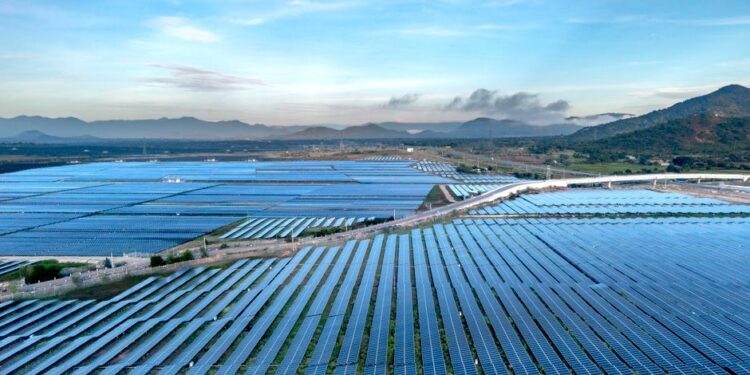
The concept of decentralization in energy distribution is gaining traction as the world grapples with climate change and the increasing demand for sustainable energy sources.

Swedish entrepreneur Jonas Birgersson has proposed a bold change in how we distribute electricity. He advocates for decentralized energy networks, similar to the internet. This idea was discussed in a recent article about improving power grids, published on September 25, 2026. Birgersson’s vision aims to fix the inefficiencies and vulnerabilities of traditional power distribution systems.
Decentralization in energy distribution is gaining popularity as the world faces climate change and a growing need for sustainable energy. By using smaller, local energy systems, entrepreneurs and engineers can build more resilient power grids. This shift not only addresses the weaknesses of current infrastructures but also opens new paths for innovation in the energy sector.
Decentralized Networks: A Paradigm Shift in Energy Distribution
Decentralized energy networks provide a strong alternative to traditional centralized power grids. These networks enable energy generation, distribution, and consumption at a local level. This reduces the need for long-distance transmission lines and cuts down on energy loss. Research by Brady Brim-DeForest, author of “Smaller is Better,” shows that smaller autonomous teams can drive innovation, allowing for faster responses to market demands.
Career Ahead’s analysis indicates that decentralized energy systems can improve energy security and resilience against disruptions. By spreading energy generation across multiple locations, these systems can better withstand natural disasters and cyber-attacks. In areas prone to such events, decentralized grids can greatly enhance the reliability of energy supply.
Renewable energy engineers need to learn about network architecture and energy management.
Additionally, decentralized networks support the integration of renewable energy sources like solar and wind power. By letting local communities manage their energy resources, these systems encourage the use of clean energy and lower carbon footprints. This aligns with global sustainability goals and gives energy entrepreneurs chances to create solutions that meet local needs. For example, community solar projects are emerging as a way for neighborhoods to collectively harness solar energy, boosting local energy independence.
As the energy landscape changes, professionals must adapt to these new models. Renewable energy engineers need to learn about network architecture and energy management. This knowledge will help them design and implement decentralized systems effectively. The shift toward decentralization presents challenges but also opportunities for growth and innovation. The New York Times highlights that this model can lead to a more democratized energy market. Consumers will not only use energy but also produce it, changing their role in the energy ecosystem.
Impact of Internet Models on Power Grids
Internet architecture principles are shaping decentralized energy networks. Just as the internet changed communication, decentralized grids can transform energy production and consumption. By using peer-to-peer technologies, these networks empower consumers to actively participate in the energy market.
Effective energy storage solutions are also vital.
Career Ahead research shows that this approach can increase competition among energy providers. This fosters innovation and lowers costs for consumers. As more individuals and businesses produce energy, the market will become more dynamic. This encourages the development of new technologies and services, especially with emerging technologies like blockchain. Blockchain can improve transaction transparency and security in decentralized systems.
Moreover, decentralized networks support the trend of energy self-sufficiency. Communities can use local resources to meet their energy needs, reducing reliance on centralized utilities. This shift enhances energy security and promotes local economic growth as communities invest in their energy infrastructure. Effective energy storage solutions are also vital. They help manage energy supply and demand, ensuring efficient use of renewable sources even when generation is low.

However, transitioning to decentralized energy systems has challenges. Regulatory frameworks and existing utility structures may slow down widespread adoption. Policymakers must create supportive environments that encourage innovation while protecting consumers and ensuring grid stability. Brady Brim-DeForest notes that the success of decentralized energy systems depends on collaboration among stakeholders, including government, private companies, and local communities.
As the energy sector evolves, the impact of decentralized networks will be significant. Energy entrepreneurs and engineers must stay updated on new technologies and market trends. They need to integrate decentralized models into existing infrastructures for success in the coming years.
Overall, the ongoing transformation of energy distribution systems marks a crucial moment for the industry. Integrating decentralized networks addresses current challenges and lays the foundation for a sustainable energy future. As these models gain traction, the energy sector will experience a wave of innovation and opportunity.
Renewable energy engineers can adapt by learning about network architecture and energy management.
Frequently Asked Questions
What are the benefits of decentralized energy systems for energy entrepreneurs?
Decentralized energy systems give entrepreneurs the chance to innovate with localized solutions that meet community needs. This can lead to lower costs, more competition, and new business opportunities in renewable energy.
How can renewable energy engineers adapt to new decentralized models?
Renewable energy engineers can adapt by learning about network architecture and energy management. Understanding decentralized systems will help them design and implement solutions that fit emerging energy trends.

What should energy entrepreneurs do about the rise of decentralized power grids?
Energy entrepreneurs should stay informed about technological advancements and market trends in decentralized power grids. By leveraging these insights, they can find new opportunities and create innovative business models that address local energy needs.
Related Articles
- Amazon Data Center Sparks Pollution Concerns
Written by Career Ahead AI. AI can make mistakes, so verify key facts. Report errors to support@careeraheadonline.com.