No products in the cart.

Government Receives Seven Applications for Coal Gasification
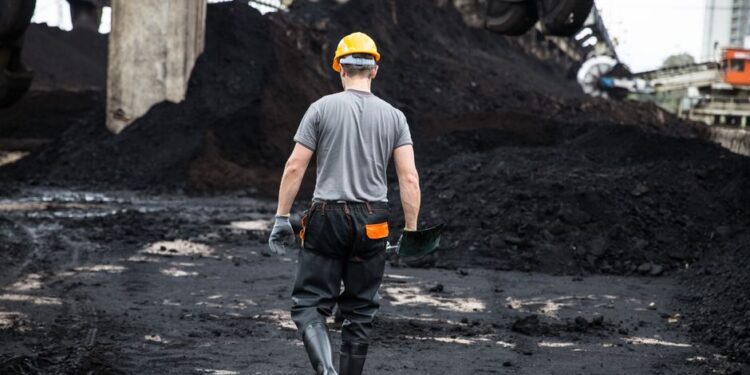
The applications submitted include three from Adani Enterprises, targeting coal-to-urea gasification plants, and proposals from Shyam Sel & Power Limited and Gallantt Ispat Ltd for syngas production.

India’s government has received seven applications for its coal gasification package, which aims to promote surface coal and lignite gasification in the country. The Union Cabinet approved this initiative with a budget of ₹37,500 crore, reflecting a growing interest in coal gasification technologies. Major companies, including Adani Enterprises and NTPC, have submitted proposals, indicating a strong response to the government’s call for innovation in energy production.
The applications include three from Adani Enterprises, focusing on coal-to-urea gasification plants. Shyam Sel & Power Limited and Gallantt Ispat Ltd have also submitted proposals for syngas production and direct reduced iron, respectively. The involvement of state-owned NTPC and Talcher Fertilisers underscores the government’s commitment to advancing coal gasification in India.
Job Creation in Coal Gasification
The rise in applications for the coal gasification package suggests an increase in job opportunities for engineers in this field. As projects transition from planning to execution, the demand for skilled professionals is expected to grow. Career Ahead’s analysis indicates a rising need for engineers with expertise in syngas production and related technologies.
The government’s target of gasifying 100 million tonnes of coal by 2030 emphasizes the critical need for qualified engineers. This initiative supports broader energy transition goals aimed at reducing reliance on traditional fossil fuels. The approved projects could create jobs, particularly in regions where coal is a primary resource.
As projects transition from planning to execution, the demand for skilled professionals is expected to grow.
Companies involved in these projects will require engineers capable of managing financing, technology selection, and project management. Given the significant investment required for gasification projects, engineers must possess both technical skills and a strong understanding of economic viability and sustainability. A World Bank report highlights that investments in clean energy technologies, including coal gasification, are essential for sustainable growth and reducing carbon emissions in developing economies.
As the second application window opens, more companies are anticipated to apply, leading to additional job openings. This influx of projects will create a competitive job market for coal gasification engineers, where specialized training and experience will be crucial. The growing interest in coal gasification aligns with the global shift towards cleaner energy solutions, making it an opportune time for engineers to enter the field.
You may also like
 Government & Policy
MSMEs Demand Action on Rising Steel and Metal Prices
Rising material costs have been a persistent issue for MSMEs, which are already grappling with higher prices for diesel, furnace oil, and LPG.
Read More →Influence on Energy Policy
The coal gasification package extends beyond job creation; it also significantly impacts energy policy in India. The increase in applications reflects the government’s shift towards innovative energy solutions that utilize domestic resources, supporting India’s goals of energy independence and sustainability.
The focus on coal gasification also highlights the need for policies that support research and development in clean energy technologies, enabling India to remain competitive in the global energy market.
The government’s incentive framework aims to attract private investment in coal gasification, potentially leading to significant advancements in cleaner energy technologies. As these projects progress, they may influence national energy policies, promoting more sustainable practices in coal use. This initiative is part of a broader strategy to transition to a more sustainable energy landscape, reducing dependence on imported fuels.
Research indicates that as coal gasification technologies evolve, they could play a pivotal role in lowering carbon emissions from traditional coal use. This transition is vital for meeting international climate commitments and addressing local environmental issues. The focus on coal gasification also highlights the need for policies that support research and development in clean energy technologies, enabling India to remain competitive in the global energy market.
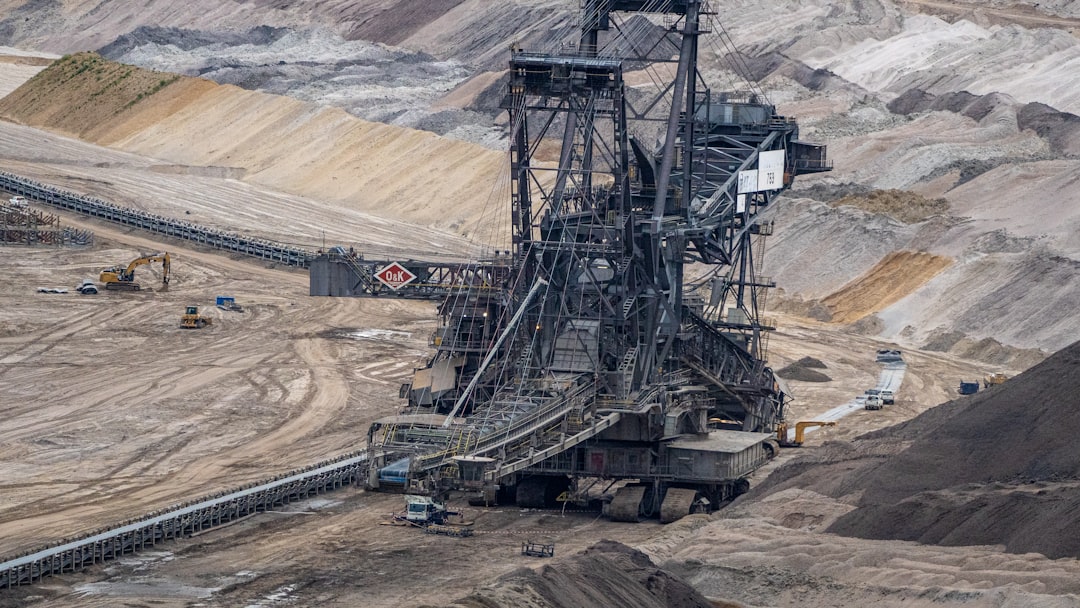
As the energy sector evolves, analysts will need to monitor the outcomes of these projects closely. Their insights will be crucial in shaping future regulations and incentives for the coal gasification industry. The potential for coal gasification to enhance India’s energy mix is significant, especially as the country balances economic growth with environmental sustainability.
Frequently Asked Questions
Coal gasification engineers should possess skills in chemical engineering, process design, and project management.
What skills are needed for coal gasification engineers?
You may also like
 Government & Policy
SEBI Alerts Investors on Anonymous Tips, Finfluencers
Project Jagrook aims to combat the influence of anonymous financial advisors and so-called "finfluencers," who often provide misleading advice to unsuspecting retail investors.
Read More →Coal gasification engineers should possess skills in chemical engineering, process design, and project management. Knowledge of syngas production and the economic aspects of gasification is also essential.
How will the coal gasification package affect energy policy analysts?
This package will provide analysts with data on government incentives and the impact of gasification projects on energy transition goals, guiding future policy decisions related to clean energy initiatives.

What should coal gasification engineers do to prepare for upcoming projects?
Engineers should enhance their technical skills and gain project management experience. Staying updated on the latest advancements in gasification technologies and understanding the economic implications of projects will also be beneficial.