No products in the cart.

Govt Considers Mandatory Imported Coal Blending
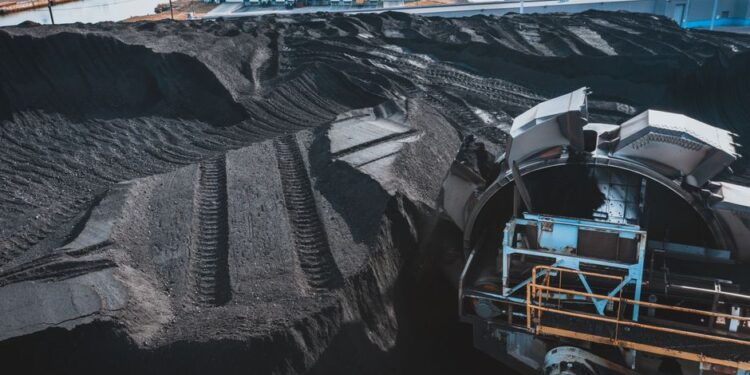
India is considering a mandate for thermal power plants to blend up to 5% imported coal with domestic supplies due to dwindling domestic coal stocks and rising energy demand.

India is contemplating a mandate requiring thermal power plants to blend up to 5% imported coal with domestic supplies. This decision arises amid a significant supply shortage, with monthly spot power prices reaching their highest levels since 2022. The proposed regulation aims to stabilize energy prices and ensure a steady electricity supply as demand continues to rise.
Officials from the Power Ministry have indicated that blending imported coal is essential due to declining domestic coal stocks. Reports show that coal inventories at power plants have decreased nearly 49% in the last three months of September, a stark contrast to last year’s decline of 26%. This rapid depletion has raised concerns about the necessity of importing coal to meet energy demands.
Shifts in Coal Sourcing Strategies
The potential mandate for blending imported coal signifies a major shift in India’s coal sourcing strategy. Historically, the power sector has relied heavily on domestic coal, with previous government policies aimed at boosting local production and reducing imports. However, the current situation necessitates a reevaluation of these strategies.
According to data from Reuters, global coal prices have surged, particularly from Indonesia, Russia, and South Africa, with increases of 19%, 14%, and 20% respectively since May. This rise has significant financial implications for power plants, requiring engineers and managers to adapt to changes in coal sourcing, which may involve more complex logistics and financial planning.
The blending requirement will also necessitate changes in operational protocols at power plants. Engineers will need to implement new blending technologies and adjust processes for the mixed coal supply, impacting both immediate operational costs and long-term energy production strategies. The Hindu reports that this mandate could lead to a reconfiguration of supply chains, requiring power plants to establish new relationships with international coal suppliers.
Engineers will need to implement new blending technologies and adjust processes for the mixed coal supply, impacting both immediate operational costs and long-term energy production strategies.
Financial Ramifications of Coal Blending
The proposed coal blending mandate carries significant financial implications for power plants. As coal prices rise, the cost structure for energy production is expected to change dramatically. Operators must account for the increased costs of importing coal, which could lead to higher electricity prices for consumers.
Current spot power prices in India have reached an average of ₹7.71 per unit, the highest since 2022, adding pressure on state power distributors already facing debt. The Times of India highlights that the blending mandate could exacerbate financial strain, as plants may struggle to pass on costs to consumers without backlash.
Moreover, the blending mandate may necessitate a reevaluation of pricing strategies in the energy sector. Power plant engineers will need to collaborate with financial analysts to ensure that new cost structures are sustainable, which may involve adjusting tariffs or exploring alternative revenue streams to offset increased costs from coal blending.

Regulatory Changes and Market Dynamics
The blending mandate may also influence investment in the energy sector. Investors will closely monitor how power plants adapt to these new regulations, which could impact funding decisions and market dynamics. The shift towards imported coal blending may attract foreign investment, particularly if it aligns with global trends toward cleaner energy practices and sustainability.
Preparing for the Transition Power plant engineers must prepare for the implications of mandatory coal blending.
As the government seeks to stabilize the energy market, power plants may face new regulations on how costs are passed to consumers. This evolving landscape will require engineers to stay informed and adapt their strategies accordingly.
Preparing for the Transition
Power plant engineers must prepare for the implications of mandatory coal blending. This includes understanding new blending processes and technologies, staying informed about regulatory changes, and investing in training to ensure compliance with new standards.
Coal supply chain managers will also need to navigate a more complex market as they form partnerships with international suppliers and adjust logistics and procurement strategies to meet the blending mandate.

Ultimately, the decision to mandate blending imported coal reflects a broader trend toward regulatory focus on sustainability and energy diversification. As the energy sector evolves, power plant engineers and managers must remain agile, continuously reassessing their strategies to align with changing market conditions and regulatory requirements.
Frequently Asked Questions
What are the implications of coal blending for power plant engineers?
Power plant engineers will need to adapt to new blending technologies and processes, requiring training and development to ensure compliance with regulatory standards.
Power plant engineers will need to adapt to new blending technologies and processes, requiring training and development to ensure compliance with regulatory standards.
How will coal supply chain managers adapt to new blending regulations?
Coal supply chain managers will navigate a more complex market as they form partnerships with international suppliers and adjust logistics and procurement strategies to meet the blending mandate.
What should power plant engineers do to prepare for mandatory coal blending?
Power plant engineers should focus on understanding new blending processes and technologies, staying informed about regulatory changes, and investing in training to adapt to the evolving energy landscape.
Written by Career Ahead AI. AI can make mistakes, so verify key facts. Report errors to support@careeraheadonline.com.