No products in the cart.

$1.6 Billion Magnet Manufacturing Investment
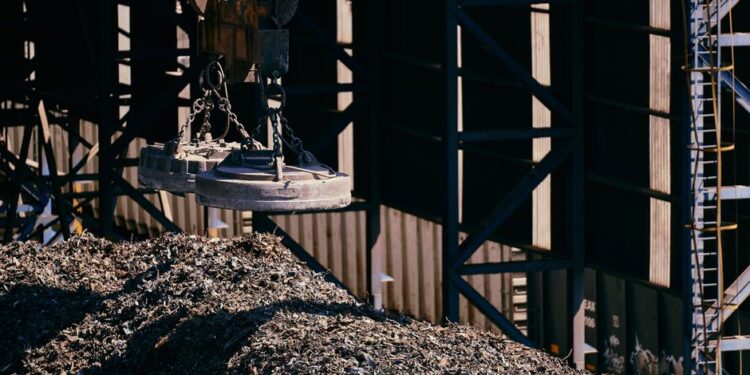
Lutnick's $1.6 billion investment in a magnet manufacturing startup reflects a growing interest in advanced manufacturing technologies, indicating potential skill gaps in the industry. This investment opens new avenues for hardware startups focused on innovative solutions, with significant implications for job creation in the manufacturing sector.

US businessman Howard Lutnick has made headlines with a $1.6 billion investment in a magnet manufacturing startup. This deal, finalized on September 25, 2026, highlights a trend toward innovative manufacturing in the hardware sector. As industries rely more on advanced materials, this investment could change the landscape for startups and investors.
Lutnick’s investment has implications beyond just financial support for the startup. It shows a renewed interest in manufacturing, especially in technologies for producing rare-earth magnets. These magnets are crucial for various applications, including electric vehicles and renewable energy systems. This investment could attract other investors, potentially leading to a wave of funding for similar ventures.
Investment Drives Growth in Hardware Startups
Career Ahead’s analysis indicates that Lutnick’s investment marks a shift in the hardware industry. Global demand for rare-earth magnets is expected to rise sharply. Startups focusing on innovative manufacturing processes are well-positioned to benefit from this trend. According to finance.yahoo.com, the demand for these magnets comes from high-tech products like electric motors and wind turbines.
This investment may also inspire confidence among other investors who were hesitant to fund hardware startups. As the market for advanced manufacturing technologies grows, new opportunities will arise for entrepreneurs and established companies. This could lead to more startups dedicated to developing cutting-edge manufacturing solutions.
The magnet manufacturing sector is about more than just producing components; it’s about fostering innovation in production techniques. As noted by advisorperspectives.com, advancements in automation and material science are enabling more efficient and sustainable manufacturing processes. This investment may encourage startups to explore these technologies and integrate them into their operations.
The magnet manufacturing sector is about more than just producing components; it’s about fostering innovation in production techniques.
Furthermore, Lutnick’s support could spark partnerships between startups and established manufacturers. By leveraging existing supply chains and expertise, new ventures can grow faster and reduce risks in a competitive market.
Emerging Trends in Magnet Manufacturing Technology
The investment in magnet manufacturing aligns with key trends shaping the industry’s future. One major trend is the focus on sustainability. Companies want to reduce their carbon footprints, increasing demand for eco-friendly manufacturing processes. Lutnick’s investment could open doors for startups that prioritize sustainable practices.
Additionally, integrating smart technologies into manufacturing is becoming more common. As noted by financialpost.com, using artificial intelligence and machine learning can optimize production, reduce waste, and improve product quality. Startups that adopt these technologies are likely to gain a competitive edge.
The shift toward electric vehicles and renewable energy is also driving demand for high-performance magnets. These trends are expected to continue, creating a strong market for innovative manufacturing solutions. Investors should look for startups that develop new products and embrace advanced manufacturing techniques.
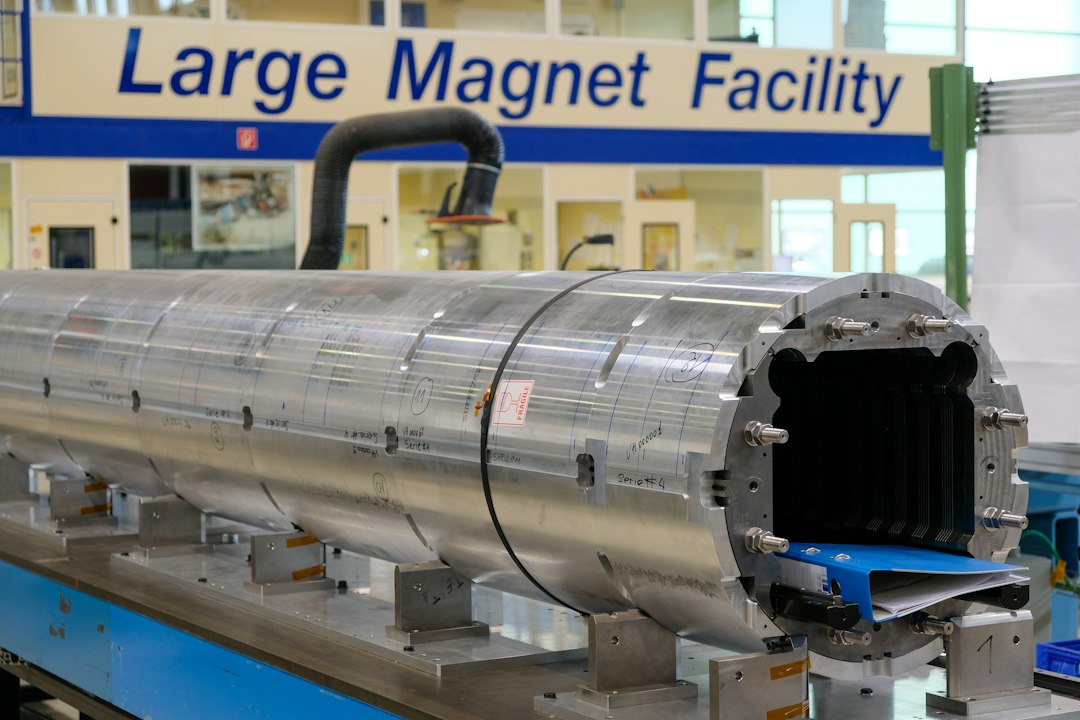
As startups expand to meet rising demand, they will need a diverse workforce with specialized skills.
Career Ahead research shows that the magnet manufacturing sector is evolving quickly, with new materials and processes emerging. Companies that adapt to these changes will be better positioned for success. Investors should monitor developments in this space to find potential opportunities.
Potential Job Creation in the Manufacturing Sector
Lutnick’s investment is likely to create many job opportunities in the manufacturing sector. As startups expand to meet rising demand, they will need a diverse workforce with specialized skills. This is a significant opportunity for manufacturing engineers and other technical roles.
Career Ahead’s analysis suggests that growth in the magnet manufacturing sector will increase the demand for engineers skilled in advanced manufacturing techniques. These roles will focus on optimizing production processes, enhancing product design, and implementing new technologies. Educational institutions may need to adjust their curricula to prepare students for these emerging roles.
Moreover, the investment could boost job creation in related sectors like supply chain management and logistics. As startups grow, they will need efficient supply chains to support their operations. This could lead to more demand for professionals specializing in logistics and supply chain optimization.
In a broader context, the resurgence of manufacturing in the US could drive economic growth and stability. More jobs in this sector may help reduce unemployment rates and promote a healthier economy.
As the magnet manufacturing sector evolves, stakeholders must stay informed about the latest developments.
As the magnet manufacturing sector evolves, stakeholders must stay informed about the latest developments. The potential for job creation, along with growing interest in advanced manufacturing technologies, suggests a promising future for the industry.
With Lutnick’s investment as a key catalyst, the magnet manufacturing sector is set for substantial growth. Investors and startups should prepare for a rapidly changing landscape driven by technological advancements and shifting market demands.
Frequently Asked Questions
What are the key trends in hardware startups attracting investment?
Career Ahead’s analysis identifies sustainability and smart technologies as key trends driving investment in hardware startups. Companies focusing on eco-friendly practices and integrating AI into manufacturing processes are likely to attract more funding.
How can investors assess the viability of magnet manufacturing companies?
Investors should evaluate the technological innovations and sustainability practices of magnet manufacturing startups. Understanding the market demand for rare-earth magnets and the company’s production capabilities is crucial for assessing viability.

What skills are needed for engineers in the evolving manufacturing landscape?
Engineers in the manufacturing sector will need to develop skills in advanced manufacturing techniques, automation, and smart technologies. Familiarity with sustainable practices will also be increasingly important as the industry evolves.
Written by Career Ahead AI. AI can make mistakes, so verify key facts. Report errors to support@careeraheadonline.com.