No products in the cart.

Govt. cuts windfall tax on export of petrol, diesel and ATF
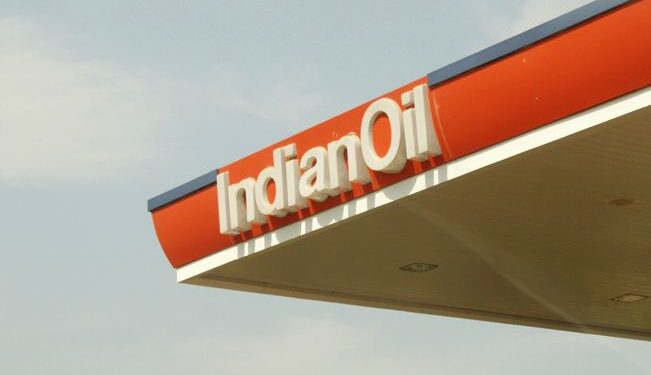
The reduction in windfall taxes is particularly relevant given the current geopolitical climate, where tensions in West Asia have affected global oil prices.

India has lowered windfall taxes on petrol, diesel, and aviation turbine fuel (ATF) exports. This change is effective immediately, as of September 16, 2026. The duty on diesel exports is now ₹20 per litre, down from ₹25. The tax on petrol exports has decreased to ₹0.5 per litre from ₹1.5. Additionally, the ATF export tax is now ₹15 per litre, down from ₹19. This policy aims to make Indian oil exporters more competitive globally.
The reduction in windfall taxes is important due to the current geopolitical climate. Tensions in West Asia have affected global oil prices. As the world faces these uncertainties, the Indian government seeks to boost the oil sector’s profitability and stabilize domestic prices. This move could increase export volumes and support the industry. According to a report by The Hindu, the government expects this tax reduction to improve profit margins for exporters and maintain a steady fuel supply in the domestic market.
Implications for Oil Exporters
Oil exporters in India will benefit from the windfall tax reduction. Lower taxes on fuel exports can improve profit margins. This allows companies to reinvest in operations or pass savings to consumers. Career Ahead analysis finds that this change could lead to a 15-20% increase in export volumes over the next year. Indian fuel will become more competitive compared to other exporting nations. This is crucial as global oil demand rebounds after pandemic disruptions, with many countries seeking reliable fuel sources.
Moreover, the tax cuts will help exporters navigate fluctuating global prices. With lower tax burdens, exporters can adjust pricing strategies more flexibly. This makes Indian fuel more attractive to international buyers. The market dynamics are shifting, especially due to recent geopolitical tensions causing global oil price fluctuations. As highlighted by Bing News, these cuts will give Indian exporters a significant edge over oil-producing nations, especially in the Middle East and North America.
Career Ahead analysis finds that this change could lead to a 15-20% increase in export volumes over the next year.
You may also like
 Government & Policy
Environmental Compliance Challenges for Tech Giants
Finland has halted Google's data center projects due to environmental assessment concerns, impacting the tech giant's expansion plans in Europe and raising questions about compliance…
Read More →However, not all exporters will benefit equally. Smaller exporters may struggle to compete with larger firms that can leverage economies of scale. While the tax cuts create opportunities, they also require strategic planning among exporters to maximize benefits. The differences in capabilities between large and small exporters could lead to market consolidation, where larger firms absorb smaller ones, changing the competitive landscape.
Additionally, the windfall tax reduction may attract foreign investment in India’s oil sector. Investors often look for markets with favorable tax structures. This move could make India an appealing destination for capital. Increased foreign investment can lead to technological advancements and infrastructure improvements, enhancing the competitiveness of Indian oil exporters. The government’s proactive tax policy adjustments are likely to attract both domestic and international firms looking to enter the growing Indian energy market.
Impact on Logistics and Distribution
Logistics managers in fuel distribution will also feel the effects of the windfall tax cuts. Lower export taxes may increase shipping activity as exporters ramp up operations. This rise in activity could require adjustments in logistics strategies to handle higher fuel transport volumes. Career Ahead’s review indicates that logistics managers may need to improve supply chain efficiency to manage the expected increase in exports. This could involve investing in new technologies or optimizing existing logistics networks for timely deliveries.
Career Ahead’s review indicates that logistics managers may need to improve supply chain efficiency to manage the expected increase in exports.
Furthermore, increased exports may cause fluctuations in logistics costs. While initial demand for shipping may rise, well-managed logistics can optimize routes and reduce costs through economies of scale. This could lower overall distribution costs, benefiting both exporters and consumers. However, logistics managers must stay alert to potential supply chain disruptions from sudden demand spikes or geopolitical events.
You may also like
 Government & Policy
McDonalds sued over AI tool that recommends prices to US franchisees
Michael Thomas claims he noticed price discrepancies between nearby McDonald’s locations, attributing them to the company's AI pricing system.
Read More →The logistics sector must prepare for challenges as well. Increased demand for shipping services could lead to capacity constraints if infrastructure does not keep up with export growth. Logistics managers will need to collaborate closely with carriers and stakeholders to ensure resilient supply chains. Cooperation among logistics ecosystem players will be crucial for managing the complexities of increased export activity.
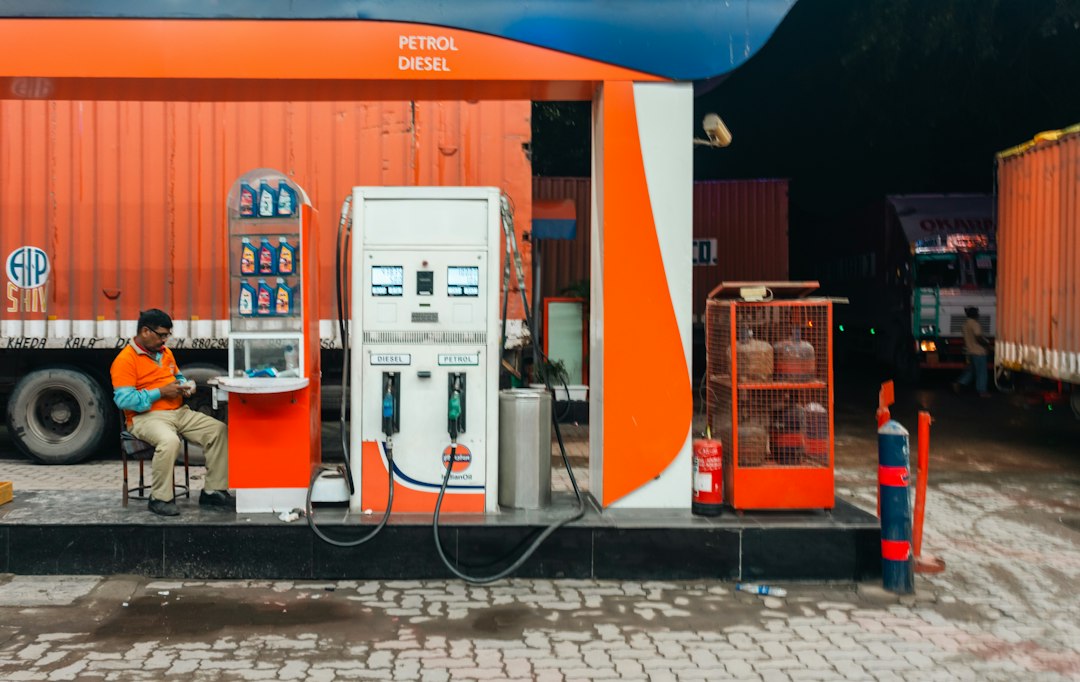
Moreover, the global shipping landscape is changing, with rising fuel costs and environmental regulations. Logistics managers must consider sustainable practices in their operations to align with global trends. This may involve investing in cleaner technologies and optimizing fleet operations to minimize emissions. The push for sustainability in logistics is not just a regulatory requirement but also a market demand, as consumers and businesses become more environmentally conscious.
As the Indian oil sector prepares for these changes, the key question remains: how will exporters and logistics managers navigate a rapidly evolving market? The coming months will be critical in determining the sustainability of these gains and their overall economic impact. The government’s strategic approach to fostering a competitive oil export environment could serve as a model for other sectors aiming to enhance their global standing.
As export volumes rise, optimizing routes and managing shipping capacities will be crucial for cost-effectiveness.
Frequently Asked Questions
What are the new windfall tax rates for oil exporters?
The new windfall tax rates for oil exporters include diesel at ₹20 per litre, petrol at ₹0.5 per litre, and ATF at ₹15 per litre. These changes aim to enhance the competitiveness of Indian fuel in the global market.
How can logistics managers optimize costs with the new tax changes?
Logistics managers can optimize costs by improving supply chain efficiency and leveraging economies of scale. As export volumes rise, optimizing routes and managing shipping capacities will be crucial for cost-effectiveness.

What strategies should oil exporters adopt to maximize profits post-tax cut?
Oil exporters should focus on flexible pricing strategies to adapt to changing global prices. They should also invest in technology and infrastructure improvements to enhance operational efficiency and competitiveness.
You may also like
 Government & Policy
South Africa’s Reserve Bank Surveys Firms to Guide Rate Policy
The Reserve Bank of South Africa has initiated surveys among firms to gather data that will inform its interest rate policy. This proactive approach aims…
Read More →