No products in the cart.

Gujarat Education Needs University-Industry Collaboration
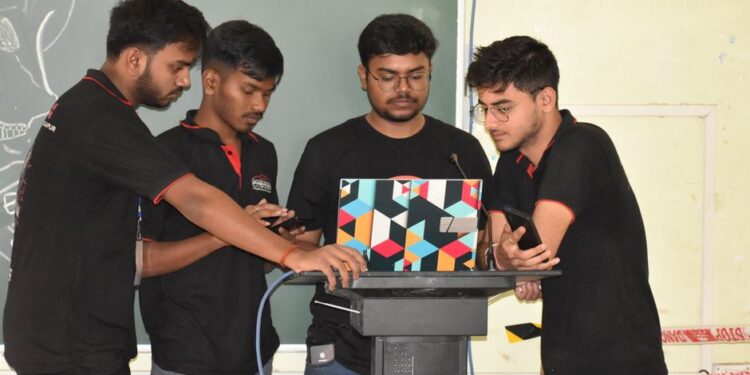
The EDNXT Ahmedabad 2026 summit emphasized the critical need for universities in Gujarat to adapt to technological advancements and foster collaborations with industries, ensuring students are equipped for the evolving job market.

Ahmedabad, India — The EDNXT Ahmedabad 2026 summit, held on August 27, brought together leaders from government, academia, and industry to discuss the future of higher education in Gujarat. The event focused on the urgent need for universities to adapt to technological advancements and collaborate with industries to prepare students for the evolving job market.
The summit featured prominent speakers, including Arjunbhai Modhwadia, Hon’ble Minister of Science and Technology, and Professor Bharat Bhasker, Director of IIM Ahmedabad. Discussions centered on the role of artificial intelligence (AI), the emergence of mega-universities, and the necessity for stronger industry-academia partnerships. The message was clear: educational institutions must rethink their approaches to align with industry needs.
Strengthening University-Industry Collaborations
One of the key themes of the summit was the importance of fostering collaborations between universities and technology companies. As industries evolve, educational institutions must ensure that their curricula reflect the skills demanded by the job market. Career Ahead’s analysis finds that a significant shift is occurring in Gujarat, where universities are increasingly partnering with tech firms to enhance educational offerings.
For instance, the semiconductor industry is poised to be a major driver of economic growth in Gujarat. With the state’s ambitions to establish semiconductor manufacturing plants, universities must prepare a skilled workforce capable of operating these facilities. This involves not only updating curricula but also creating hands-on training programs that involve industry participation.
The rise of AI in education presents both challenges and opportunities. AI technologies can enhance learning experiences by providing personalized education and automating administrative tasks. However, universities must also focus on developing critical thinking and creativity among students, skills that AI cannot replicate. The summit highlighted the need for a balanced approach, where technology complements traditional teaching methods.
However, universities must also focus on developing critical thinking and creativity among students, skills that AI cannot replicate.
Moreover, partnerships can extend beyond curriculum development. Universities can collaborate with industries on research projects, internships, and job placements, ensuring that students gain practical experience before entering the workforce. This synergy between academia and industry is crucial for building a talent pipeline that meets the demands of a rapidly changing economy.
Government’s Role in Educational Transformation
Government initiatives play a pivotal role in facilitating collaboration between universities and industries. The Gujarat government has recognized the need to invest in education technology and infrastructure to support this transformation. As highlighted by Minister Modhwadia, the government is committed to creating an ecosystem that fosters innovation and skill development.
One notable initiative is the establishment of technology parks and innovation hubs that bring together educational institutions, startups, and established companies. These hubs serve as incubators for new ideas and provide students with access to cutting-edge technologies and resources. By creating a conducive environment for collaboration, the government aims to bridge the gap between education and industry.
Furthermore, the government is also focusing on policies that promote research and development in higher education. By incentivizing universities to engage in industry partnerships, the state can ensure that academic research aligns with real-world applications. This approach not only enhances the quality of education but also contributes to the overall economic development of Gujarat.

As the demand for skilled professionals continues to grow, it is essential for universities to adapt their programs to meet industry needs. The government’s support in this regard is crucial, as it provides the necessary framework for collaboration and innovation.
As the demand for skilled professionals continues to grow, it is essential for universities to adapt their programs to meet industry needs.
Implications for the Future of Higher Education
The implications of the discussions at the EDNXT Ahmedabad 2026 summit extend far beyond the event itself. As Gujarat positions itself as a leader in technology and innovation, the future of higher education will depend on the ability of universities to embrace change and foster collaboration with industries.
One potential outcome of these partnerships is the emergence of mega-universities that leverage AI and technology to deliver education at scale. This model could allow universities to reach a broader audience, providing access to high-quality education regardless of geographical constraints. However, it also raises questions about the preservation of the human elements in education, such as mentorship and interpersonal interactions.
As the landscape of higher education evolves, it will be crucial for universities to maintain a balance between technological advancements and the core values of education. The challenge will be to harness the power of AI while ensuring that students develop essential soft skills that are increasingly valued in the workforce.
Looking ahead, the collaboration between universities and industries in Gujarat presents a unique opportunity to redefine the educational landscape. As both sectors work together to shape the future of learning, the potential for economic growth and innovation is significant. The question remains: will Gujarat’s universities lead the charge in this educational transformation, or will they lag behind as industries continue to evolve?
Frequently Asked Questions
What are the best practices for university-industry partnerships?
Successful university-industry partnerships often involve clear communication, mutual goals, and shared resources. Establishing joint research programs and internship opportunities can enhance collaboration.
Integrating education technology can personalize learning experiences and improve student engagement.
How can education technology improve learning outcomes in Gujarat?
Integrating education technology can personalize learning experiences and improve student engagement. This approach allows for tailored educational paths that align with individual learning styles.

What steps should university administrators take to align their programs with industry needs?
University administrators should regularly consult with industry leaders to understand emerging trends and skills requirements. Updating curricula and offering practical training opportunities are essential steps in this process.
Written by Career Ahead AI. AI can make mistakes, so verify key facts. Report errors to support@careeraheadonline.com.