US President Donald Trump has shown support for a possible ban on diesel exports. This move aims to ease rising fuel prices for American consumers. Currently, diesel prices are around $6.45 per gallon due to geopolitical tensions and tight global supply chains. A ban could greatly change the diesel market, impacting producers and transportation companies.
This situation is critical. The US is a major player in the global diesel market, exporting between 1.2 to 1.5 million barrels per day, mainly to Latin America and Europe. The US Energy Information Administration (EIA) reports that the US produces about four to five million barrels of diesel daily, with domestic consumption at around 3.6 million barrels. This means a large portion of US diesel output goes to international markets, making a diesel export ban potentially impactful.
Impact on Diesel Pricing Strategies
The proposed export ban could change diesel pricing strategies quickly. If the US keeps more diesel for domestic use, producers might stabilize or lower local prices. Career Ahead’s analysis shows that more domestic supply could reduce competition among exporters, affecting pricing dynamics.
However, this short-term relief may have downsides. Experts warn that limiting exports could raise international prices, as US diesel is vital for many countries. Analysis from the Atlantic Council suggests that cutting off US supply could spark a bidding war among importing nations. This would push global prices higher and could lead to inflation in the US economy. Countries like Mexico, Brazil, and Chile, which depend on American diesel, might face severe supply shortages, increasing their operational costs.
Additionally, the American Automobile Association (AAA) recently reported a significant year-on-year rise in diesel prices, reflecting broader energy market shocks. As producers adjust to a possible export ban, they may need to rethink their pricing strategies to handle changing demand and supply scenarios. The balance between domestic pricing pressures and international market realities will be key as producers navigate these changes.
Experts warn that limiting exports could raise international prices, as US diesel is vital for many countries.
Diesel producers must navigate a complex landscape where domestic pricing pressures meet international market realities. Strategic foresight is essential, as the balance between domestic supply and international obligations could define profitability in the coming months. As the diesel market adjusts, producers may explore innovative pricing models to stay competitive, especially if they expect prolonged export restrictions.
Changes in Supply Chain Logistics
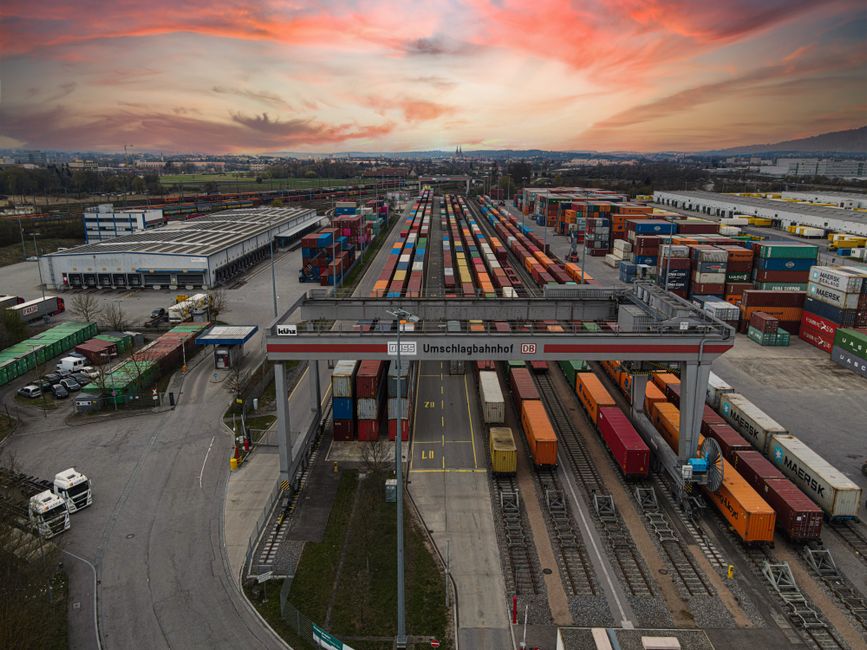
The logistics of diesel distribution may face disruption if the export ban is enacted. Currently, the US diesel market operates globally, with significant exports supporting various international markets. A ban would require transportation companies to adapt their logistics strategies for a more localized supply chain.
Research from Time.com indicates that the potential ban could increase domestic competition among diesel producers. This might stabilize prices but complicate supply chain logistics. Transportation companies that rely on diesel fuel may need to reassess their sourcing strategies, which could lead to higher costs and operational changes. The reliance on US diesel exports goes beyond fuel supply; it also supports international trade relationships. Limiting exports could strain partnerships with countries that heavily depend on American diesel, especially in Latin America and Europe. This shift could have long-term effects on US trade policies and international relations.
As transportation companies face these changes, they may need to invest in alternative sourcing strategies or diversify their fuel options. The implications of a diesel export ban go beyond immediate pricing concerns, touching on broader issues of supply chain resilience and adaptability. Increased domestic competition could create a more fragmented market, where smaller producers struggle to compete with larger firms that can absorb costs better. This could reshape the competitive landscape of the diesel industry.

The relationship between domestic consumption, supply chain logistics, and international trade dynamics will be crucial in shaping the future of the diesel market.
Moreover, CNBC notes that the potential ban comes amid geopolitical tensions, especially the ongoing US-Israel conflict with Iran, which has worsened fuel supply issues. This geopolitical context adds complexity to diesel distribution logistics, as transportation companies must navigate both domestic regulations and international market fluctuations driven by global events.
Ultimately, the implications of a diesel export ban extend beyond immediate pricing concerns. The relationship between domestic consumption, supply chain logistics, and international trade dynamics will be crucial in shaping the future of the diesel market. As the situation develops, stakeholders in diesel production and transportation must stay alert. Fluctuating prices and changing supply dynamics could create both challenges and opportunities soon.
As the situation evolves, the broader economic landscape will also be affected. Increased domestic diesel availability could shift consumption patterns, impacting industries that rely on diesel, like agriculture and construction. This could complicate the dynamics of the US energy market as it adjusts to new realities.
Frequently Asked Questions
How will the diesel export ban affect my production costs?
Career Ahead analysis shows that a diesel export ban could lower production costs for domestic producers due to increased local supply. However, if global prices rise because of the ban, producers may feel pressure to keep their prices competitive.
Career Ahead research indicates that companies must remain agile and adaptive to changing market conditions to manage costs effectively and maintain operational efficiency.
What strategies should transportation companies adopt in response to potential diesel supply changes?
Transportation companies may need to reassess their sourcing strategies and consider diversifying their fuel options. Increased domestic competition could offer better pricing opportunities, but companies should prepare for possible supply and demand volatility.
What are the implications of diesel price fluctuations for logistics planning?
Fluctuating diesel prices can greatly impact logistics planning for transportation companies. Career Ahead research indicates that companies must remain agile and adaptive to changing market conditions to manage costs effectively and maintain operational efficiency.
Written by Career Ahead AI. AI can make mistakes, so verify key facts. Report errors to support@careeraheadonline.com.