No products in the cart.

Gulf Oil Giants Invest Billions to Bypass Strait of Hormuz
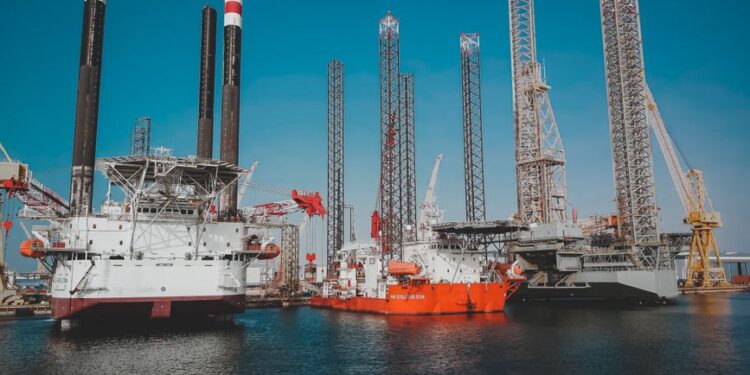
Gulf oil exporters are investing billions to develop alternative shipping routes, reducing reliance on the Strait of Hormuz amid rising geopolitical tensions.

Gulf oil exporters are investing billions to develop alternative shipping routes to reduce their reliance on the Strait of Hormuz. This strategic move comes amid escalating geopolitical tensions, particularly due to conflicts involving Iran, which threaten the security of this vital shipping lane. The investments are expected to reshape oil supply chains and influence global oil prices significantly.
As the Strait of Hormuz remains a critical chokepoint for oil transportation, accounting for about 20% of the world’s oil supply, Gulf nations recognize the need for diversification. Major oil producers in the region, including Saudi Arabia and the United Arab Emirates, are actively exploring new routes and infrastructure projects to mitigate risks associated with potential disruptions.
Investments in Alternative Shipping Routes
In response to the heightened risks, Gulf oil giants are channeling significant resources into developing alternative shipping routes. For instance, Saudi Arabia is expanding its pipeline network to connect directly to the Red Sea, allowing oil to bypass the Strait of Hormuz entirely. This initiative not only enhances the security of oil shipments but also reduces transportation costs, which can have a ripple effect on global oil prices. According to a report by the New York Times, this move is part of a broader strategy to ensure uninterrupted oil flow amidst rising tensions in the region.
Furthermore, the United Arab Emirates is investing in port infrastructure to facilitate this shift. The development of ports along the Arabian Sea is expected to provide new export channels for oil and gas, thus decreasing dependency on traditional routes. This diversification strategy is crucial for maintaining a stable supply chain amid ongoing geopolitical uncertainties. The UAE’s efforts are complemented by investments in advanced logistics and shipping technologies, which aim to streamline operations and enhance efficiency.
Career Ahead’s analysis identifies that these investments are not merely reactive but represent a proactive approach to long-term energy security. By establishing alternative routes, Gulf oil exporters are positioning themselves to better withstand potential disruptions caused by geopolitical tensions or military conflicts in the region. The significance of these developments cannot be overstated, as they reflect a shift in how Gulf nations view their energy infrastructure in the face of evolving global dynamics.
The development of ports along the Arabian Sea is expected to provide new export channels for oil and gas, thus decreasing dependency on traditional routes.
These developments are likely to attract interest from international investors and energy companies looking to secure their supply chains. As Gulf nations enhance their infrastructure, the potential for increased oil exports through these alternative routes could reshape global oil market dynamics. The investments are expected to bolster the region’s competitive edge in the global oil market, especially as demand from Asia continues to rise.
Impact on Oil Supply Chain Management
The shift towards alternative shipping routes will have significant implications for oil supply chain management. As Gulf oil exporters invest in new infrastructure, the logistics of oil transportation will evolve. Companies involved in oil trading and logistics will need to adapt to these changes, ensuring that their operations align with the new realities of oil transportation. The New York Times highlights that this transformation could lead to a reconfiguration of existing supply chains, prompting companies to rethink their strategies in light of new routes and potential cost savings.
Moreover, the establishment of new shipping routes may lead to a reconfiguration of global trade patterns. Countries that rely on oil imports from the Gulf region will need to consider the implications of these changes on their energy security. For instance, nations in Asia, which are major consumers of Gulf oil, may need to adjust their supply agreements and logistics strategies to accommodate the new routes. This shift could also lead to increased competition among oil exporters, as those who can efficiently transport oil through these new channels may gain a competitive edge in the global market.
Career Ahead research finds that the transition to alternative routes could also lead to fluctuations in oil prices. As supply chains become more diversified, the pricing mechanisms in the global oil market may change. This could create opportunities for traders and analysts to capitalize on market volatility. The potential for price stabilization is particularly significant, as it could mitigate the premiums often associated with geopolitical risks in the Strait of Hormuz.
If Gulf nations successfully establish reliable and secure alternative routes, it may lead to a more stable oil market, reducing the premium that has been associated with risks in the Strait of Hormuz.
In addition, the investments in alternative shipping routes may lead to increased competition among oil exporters. Countries that can efficiently transport oil through these new routes may gain a competitive edge in the global market, further influencing pricing structures and supply dynamics. As Gulf nations enhance their logistical capabilities, they may also attract new partnerships and collaborations with international firms, further integrating their operations into the global energy landscape.
The strategic investments made by Gulf oil giants to bypass the Strait of Hormuz are expected to have a profound impact on global oil prices. As these exporters enhance their shipping capabilities, the overall supply of oil to the market may increase, potentially stabilizing prices that have been volatile due to geopolitical tensions. However, the long-term effects on pricing will depend on various factors, including global demand, OPEC policies, and geopolitical developments. If Gulf nations successfully establish reliable and secure alternative routes, it may lead to a more stable oil market, reducing the premium that has been associated with risks in the Strait of Hormuz.
Career Ahead analysis indicates that the shift could also influence the strategies of oil consumers, who may seek to secure long-term contracts with Gulf exporters to mitigate risks. This could lead to a more predictable pricing environment, benefiting both producers and consumers in the long run. As the geopolitical landscape evolves, the ability of Gulf oil exporters to adapt and invest in new infrastructure will be crucial. The ongoing developments in the region will likely be closely monitored by global markets, as any disruptions could still pose risks to oil supply and pricing.
The future of oil transportation in the Gulf region is poised for significant transformation. As Gulf oil giants invest heavily in alternative shipping routes, the implications for global oil supply chains and pricing remain to be seen.
Frequently Asked Questions
What are the new shipping routes being developed by Gulf oil exporters?
Gulf oil exporters are developing alternative shipping routes, including expanded pipeline networks to the Red Sea and enhanced port infrastructure along the Arabian Sea. These initiatives aim to reduce reliance on the Strait of Hormuz and improve the security of oil shipments.
However, if successful, these changes may stabilize prices by increasing the overall supply of oil to the market.
How might these changes affect oil prices in the short term?
In the short term, the establishment of alternative routes could lead to fluctuations in oil prices as supply chains adjust. However, if successful, these changes may stabilize prices by increasing the overall supply of oil to the market.

What should oil and gas investment analysts consider when evaluating Gulf investments?
Investment analysts should consider the geopolitical risks associated with the Strait of Hormuz, the potential for increased competition among oil exporters, and the implications of new shipping routes on pricing structures. Understanding these dynamics will be crucial for making informed investment decisions.
Written by Career Ahead AI. AI can make mistakes, so verify key facts. Report errors to support@careeraheadonline.com.