No products in the cart.

Harnessing Digital Marketing to Enhance Workplace Wellness

Learn how companies are using digital marketing to foster wellness in the workplace, enhancing employee satisfaction and productivity.

San Francisco, California — In today’s fast-paced corporate environment, the emphasis on employee wellness is shifting dramatically. Companies are increasingly recognizing that a healthy workforce is not only crucial for employee satisfaction but also for maximizing productivity. With the rise of digital marketing, organizations are leveraging innovative strategies to promote wellness initiatives effectively.
Many firms are turning to digital platforms to engage their employees in wellness programs. For instance, tech giants like Google and Microsoft have integrated wellness campaigns into their digital communication strategies, utilizing social media, email newsletters, and mobile apps to reach their workforce. These initiatives aim to foster a culture of well-being that resonates with employees, encouraging them to participate actively in wellness activities.
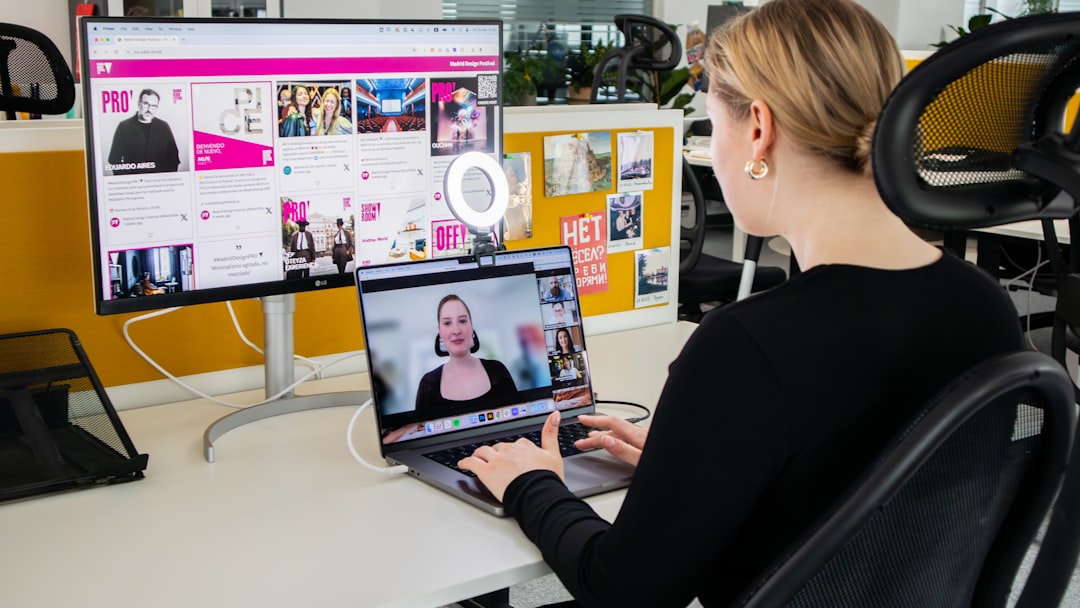
According to a report by the Global Wellness Institute, the corporate wellness market is projected to reach $90 billion by 2026, highlighting the increasing importance of mental and physical health in the workplace. Companies are investing in digital tools that provide real-time health data and personalized wellness plans. These tools not only help employees track their health but also integrate seamlessly with their daily routines.
Moreover, artificial intelligence (AI) is playing a pivotal role in shaping wellness strategies. For example, platforms like Wellable and LifeDojo use AI algorithms to analyze employee data and tailor wellness programs to individual needs. By personalizing wellness initiatives, companies can enhance engagement and improve outcomes.
Mental health apps, such as Headspace for Work and Calm for Business, are being implemented to provide employees with resources to manage stress and anxiety.
Employers are also recognizing the importance of mental health in their wellness strategies. Mental health apps, such as Headspace for Work and Calm for Business, are being implemented to provide employees with resources to manage stress and anxiety. By promoting mental well-being, companies are not only supporting their employees but are also creating a more resilient workforce.
However, while the benefits of these digital wellness initiatives are clear, challenges remain. Privacy concerns regarding the handling of personal health data are significant. Employees may be wary of how their information is used and shared. Companies must address these concerns proactively by ensuring transparency and compliance with data protection regulations.
Furthermore, the effectiveness of wellness programs can vary significantly among employees. What works for one individual may not resonate with another. To counter this, organizations need to adopt a flexible approach, offering a range of wellness options that cater to diverse employee needs and preferences. This can include fitness challenges, mental health workshops, or even nutrition programs, allowing employees to choose what best fits their lifestyle.
As businesses navigate the complexities of digital wellness, collaboration will be key. Companies are increasingly partnering with wellness providers and technology firms to enhance their offerings. For instance, the collaboration between Fitbit and corporate wellness programs has proven successful in driving employee engagement through fitness tracking and challenges.
You may also like
 AI & Technology
Apple to Tighten Mac Data Controls in Guard Against AI Agents
Apple is tightening data controls for its macOS platform to enhance user data security against potential AI threats. This change will require developers to adhere…
Read More →Looking ahead, the intersection of digital marketing and employee wellness is set to evolve further. As technology continues to advance, companies will have access to more sophisticated tools that can enhance wellness initiatives. The integration of virtual reality (VR) and augmented reality (AR) into wellness programs is on the horizon, promising immersive experiences that can boost employee engagement and participation.
For instance, the collaboration between Fitbit and corporate wellness programs has proven successful in driving employee engagement through fitness tracking and challenges.
In conclusion, as organizations continue to prioritize employee wellness, leveraging digital marketing strategies will be essential. By investing in innovative technologies and creating inclusive wellness programs, companies can foster a healthier, more engaged workforce. The future of workplace wellness is bright, and those who adapt to these trends will likely see significant returns on their investment.