No products in the cart.

Hermes Launches Self-Improving AI Agents with NVIDIA Technology
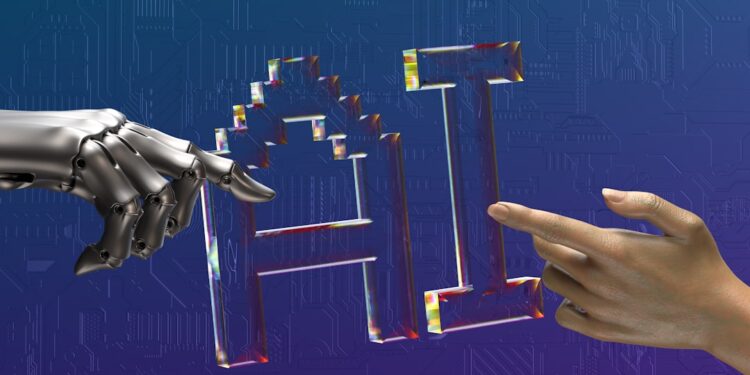
Hermes has launched self-improving AI agents powered by NVIDIA technology, promising to revolutionize how tasks are managed and executed across various sectors.

Revolutionizing AI Agents
In the realm of artificial intelligence, a significant leap has been made with the introduction of self-improving AI agents. Hermes, developed by Nous Research, has unveiled a new class of agents that harness the power of NVIDIA RTX PCs and DGX Spark. This innovation promises not only to enhance productivity but also to redefine how tasks are managed in both personal and professional environments.
The Hermes agent stands out for its ability to evolve its skills autonomously. Unlike traditional AI systems that require extensive programming and updates, Hermes learns from its experiences. This capability is expected to streamline workflows, making it an invaluable tool for users across various sectors.
According to blogs.nvidia.com, Hermes has already gained substantial traction, amassing over 140,000 GitHub stars in just three months. This rapid adoption signals a strong interest in AI solutions that are not only powerful but also adaptable and user-friendly.
Core Features of Hermes
The core idea behind Hermes is to create an AI agent that can operate continuously and autonomously. By integrating self-evolving skills, Hermes can refine its abilities with each interaction. This means that the more a user engages with the agent, the better it becomes at handling tasks.
Moreover, Hermes utilizes NVIDIA’s advanced hardware, such as the RTX series and DGX Spark, to ensure optimal performance. These systems are designed for high-efficiency computing, allowing Hermes to execute complex tasks swiftly. The synergy between cutting-edge hardware and innovative software is what sets Hermes apart in the crowded AI landscape.
As reported by www.nvidia.com, the DGX Spark is particularly notable for its ability to handle large-scale AI workloads. With 128GB of unified memory and a petaflop of AI performance, it is the ideal platform for running Hermes at full capacity, ensuring that users can rely on its capabilities without interruption.
As reported by www.nvidia.com, the DGX Spark is particularly notable for its ability to handle large-scale AI workloads.
You may also like
 Entrepreneurship & Business
Rivian’s sales pop as the company’s big R2 bet starts to pay off
This surge is particularly noteworthy as it comes amid a broader decline in the EV market, where overall sales have dropped nearly 24% year-over-year.
Read More →Furthermore, the integration of Qwen 3.6 models enhances Hermes’ performance. These new models outperform their predecessors, allowing for faster processing and more efficient learning. This technological advancement positions Hermes as a leader in the field of agentic AI.
Implications Across Sectors
The introduction of self-improving AI agents like Hermes has far-reaching implications across various sectors. In business, for instance, companies can leverage these agents to automate routine tasks, freeing up human resources for more strategic initiatives. This shift could lead to increased productivity and innovation within organizations.
In education, Hermes could serve as a personalized learning assistant, adapting to students’ individual needs and preferences. This could enhance the learning experience, making it more engaging and effective. As AI continues to evolve, the potential applications in educational settings are vast.
Globally, the rise of self-improving AI agents could also reshape labor markets. As businesses adopt these technologies, there may be a shift in the types of skills that are in demand. Workers will need to adapt by enhancing their technical skills and understanding how to collaborate effectively with AI systems.

Workers will need to adapt by enhancing their technical skills and understanding how to collaborate effectively with AI systems.
However, the integration of such technology is not without challenges. Concerns about job displacement and the ethical implications of AI decision-making remain prevalent. As highlighted by various experts, it is crucial to address these issues to ensure a balanced approach to AI adoption.
Ethical Considerations and Challenges
Despite the promising capabilities of self-improving AI agents, there are ongoing debates about their implications. Critics argue that while these agents can enhance productivity, they may also contribute to job displacement. The fear is that as AI systems become more capable, they could replace human workers in various tasks.
You may also like
 Entrepreneurship & Business
Bajaj Finance set to mop up Rs 17,500 crore via QIP, warrants
Bajaj Finance plans to raise ₹17,500 crore through a qualified institutional placement (QIP) and warrants, marking its first major capital raise since November 2023. This…
Read More →Additionally, there is a concern regarding the ethical use of AI. Questions arise about accountability when AI agents make decisions. Who is responsible for the actions of an autonomous agent? These debates highlight the need for clear regulations and guidelines governing the use of AI technologies.

Moreover, the reliance on advanced hardware like NVIDIA’s DGX Spark raises questions about accessibility. Smaller businesses may find it challenging to invest in such technology, potentially widening the gap between larger corporations and startups. This could lead to a concentration of AI capabilities among a few dominant players.
Risks, Trade-Offs, and What Comes Next
The future of AI agents like Hermes appears bright. As technology continues to advance, we can expect these agents to become even more sophisticated. Future iterations may incorporate advanced natural language processing, enabling them to understand and respond to complex queries more effectively.
Future iterations may incorporate advanced natural language processing, enabling them to understand and respond to complex queries more effectively.
Additionally, as organizations increasingly recognize the value of AI, investment in these technologies is likely to grow. This could lead to further advancements in the capabilities of AI agents, making them indispensable tools in various fields.
Moreover, the growing emphasis on ethical AI practices will shape the development of these agents. Companies will need to prioritize transparency and accountability in their AI systems to build trust with users and stakeholders.
In summary, the trajectory of self-improving AI agents is set for significant growth. As they become more integrated into everyday workflows, their impact on industries and society will be profound.
You may also like
 Entrepreneurship & Business
Zoho Arattai Challenges WhatsApp Business Pricing | Career Outlook
Arattai for Business is designed to facilitate communication within organizations and with customers. According to Zoho's founder, Sridhar Vembu, the platform not only supports messaging…
Read More →