No products in the cart.

Hidden Curriculum Reshapes Campus Power Structures

The hidden curriculum has moved to the forefront of higher‑education analysis as institutions.

University life now hinges on unseen norms that channel student ambition, confidence and career capital. Researchers note that implicit messages about identity, status and belonging increasingly dictate outcomes more than formal coursework.
The hidden curriculum has moved to the forefront of higher‑education analysis as institutions grapple with diversifying enrollments, digital transformation and heightened equity scrutiny. This moment demands a systemic view of how covert power dynamics embed themselves in daily campus interactions, because they shape not only academic performance but long‑term leadership pipelines and institutional legitimacy.
Framing the structural shift in higher education The rise of demographic diversity and online learning platforms has amplified the contrast between explicit syllabi and the tacit rules governing campus life. Dr Nagamani Bora’s recent commentary highlights that students now confront “unseen forces” that steer confidence, networking behavior and access to mentorship. Simultaneously, the MDPI study on resource‑based interventions shows that targeted programs can surface these forces, suggesting that the hidden curriculum is a lever rather than a fixed background. This convergence of research underscores a re‑weighting of cultural capital within universities, prompting leaders to treat hidden norms as strategic variables.
How implicit messages encode power
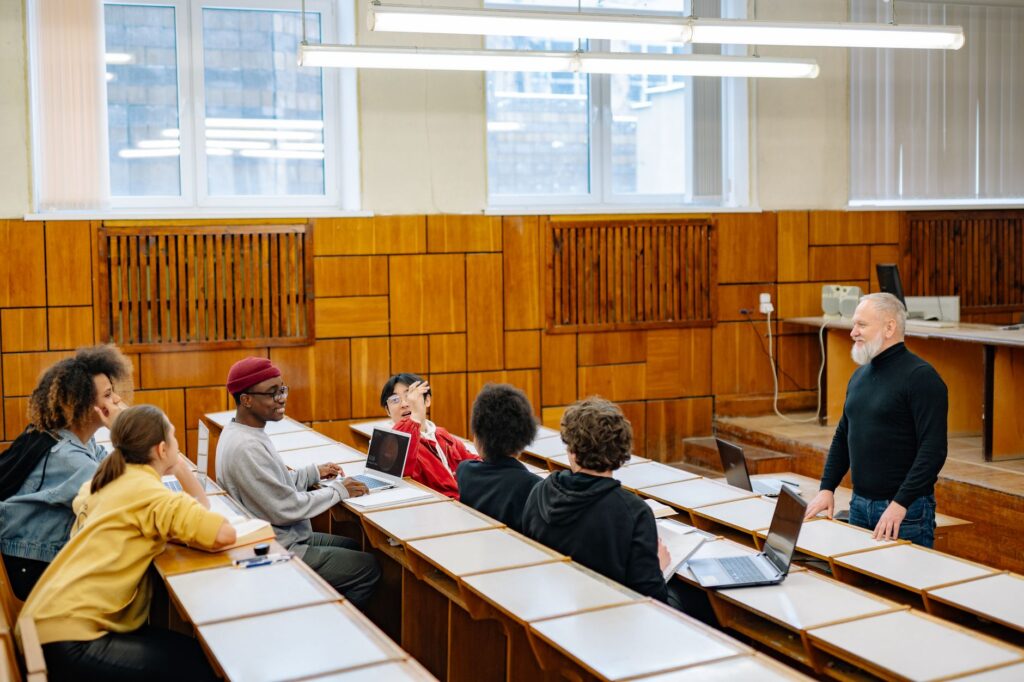
Implicit expectations about communication style, participation etiquette and social belonging operate as a parallel curriculum that reinforces existing hierarchies. Students from privileged socioeconomic backgrounds often internalize campus norms that reward assertiveness and networking, while peers from under‑represented groups encounter subtle signals that marginalize their voice. Faculty and administrators, by modeling and reinforcing these cues, either perpetuate or disrupt the hidden hierarchy. The hidden curriculum thus functions as a feedback loop: normative cues shape student self‑perception, which in turn validates the prevailing power structure.Systemic ripples across institutional outcomes
Stakeholder impact and the reallocation of capital
Students, faculty, employers and governing boards each recalibrate their strategies in response to hidden curriculum revelations. According to Career Ahead’s analysis of the MDPI findings, institutions that embed transparency checkpoints into orientation and mentorship programs see a measurable rise in student sense of belonging. Employers increasingly value graduates who demonstrate adaptive cultural intelligence, prompting universities to embed hidden‑curriculum awareness into career services. Meanwhile, faculty development programs that surface implicit biases help retain diverse talent, reinforcing the institution’s human capital pipeline.Projected trajectory over the next three to five years
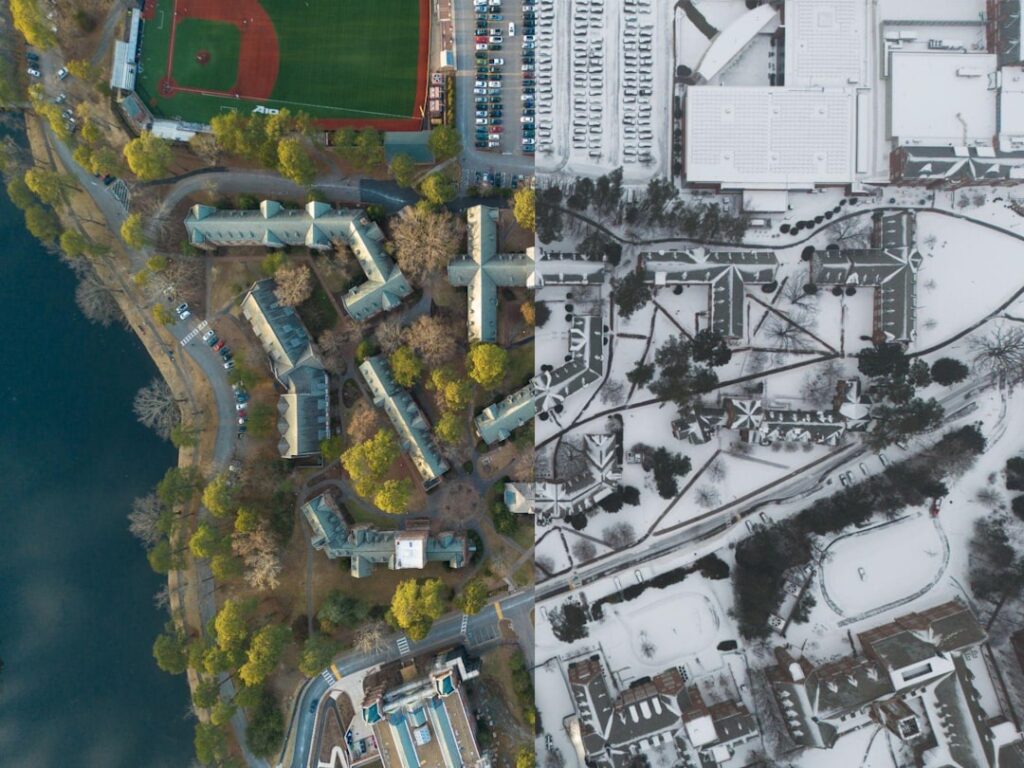
In the near term, universities are expected to institutionalize hidden‑curriculum audits, integrating them into accreditation standards and diversity dashboards. Data‑driven tools will map informal networks, allowing administrators to intervene where exclusion patterns surface. By 2030, the norm is likely to shift toward explicit articulation of campus norms, reducing asymmetries in social capital acquisition. This evolution will reshape leadership pipelines, producing a more demographically representative cohort of senior executives and academic leaders, thereby altering the power calculus of the higher‑education ecosystem.
Studies linking campus climate to career trajectories reveal that students who navigate the hidden curriculum successfully accrue greater career capital, translating into leadership roles and higher economic mobility.
You may also like
 Education & University Insights
Universities adopt alternative aptitude assessments to broaden talent pools
This analysis dissects how alternative assessments are being embedded, the systemic ripple effects, and the capital implications for students and institutions.
Read More →The analysis signals that confronting hidden curricula will be a decisive factor in sustaining equitable student outcomes and preserving institutional legitimacy as higher education confronts rapid societal change.
Key Structural Insights
Insight 1: Implicit campus norms now function as a parallel curriculum that disproportionately allocates cultural and career capital, reshaping leadership pipelines across universities.
Insight 2: Interventions that surface and neutralize hidden power dynamics measurably improve student belonging and broaden access to high‑impact opportunities.
Insight 3: Over the next five years, systematic hidden‑curriculum audits will become embedded in accreditation, driving a structural rebalancing of social capital within higher education.
Navigating Unseen Hierarchies: The hidden curriculum perpetuates subtle hierarchies within university departments, influencing student perceptions of authority and expertise, often favoring those with established connections over newcomers, thereby limiting opportunities for growth and innovation.
Social Capital and Student Success: The hidden curriculum’s emphasis on social relationships and networking opportunities creates an uneven playing field, where students from more affluent backgrounds are better equipped to navigate these dynamics, ultimately affecting their academic and professional outcomes.