The United States’ strong bicameral Congress and Canada’s asymmetric Parliament produce divergent legislative dynamics. The U.S. Senate’s equal‑state representation and the Canadian Senate’s appointed composition create distinct pathways for lawmaking, influencing both policy durability and the speed of reform.
The comparative urgency stems from rising public scrutiny of legislative efficiency amid polarized electorates. As both nations confront complex challenges—from climate legislation to health‑care reform—the structural features of their two‑chamber systems determine how quickly and how responsibly policies can adapt. This analysis dissects the mechanisms, systemic outcomes, and stakeholder impacts of bicameralism, drawing on academic research and institutional data to assess its effectiveness today.
Divergent institutional architectures set the stage
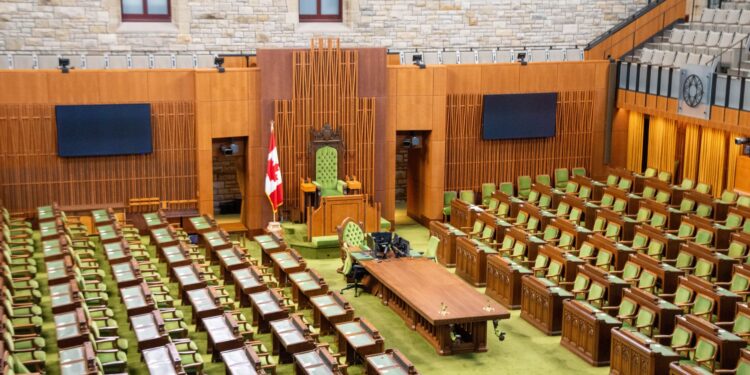
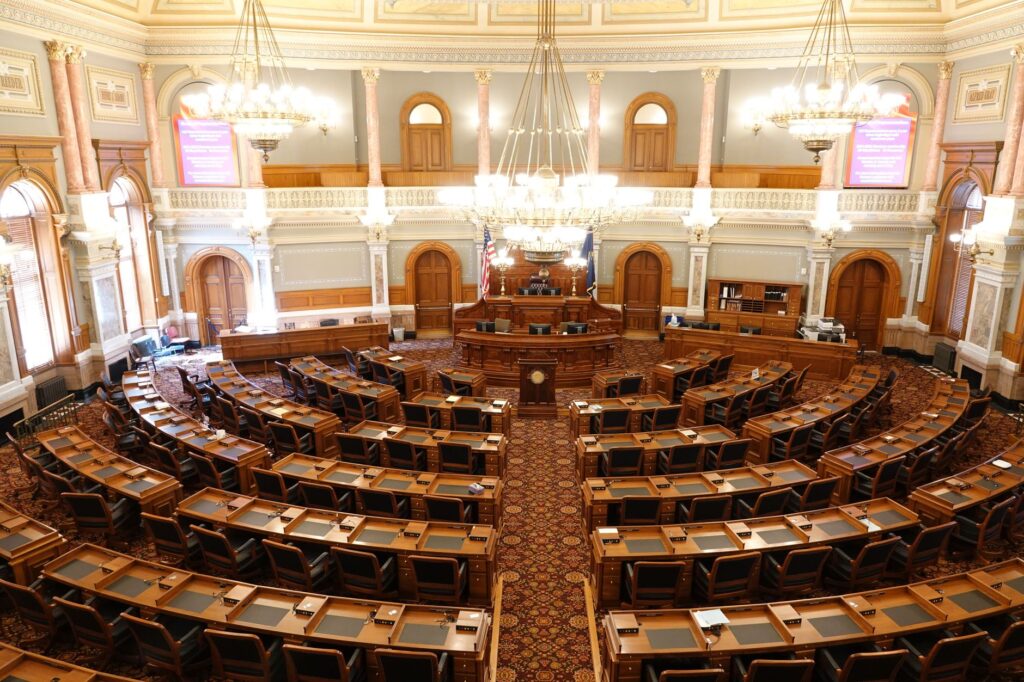
The United States operates a “strong” bicameral system: the House of Representatives (535 members) initiates revenue bills and reflects population distribution, while the Senate (100 members) grants equal representation to each state and possesses exclusive treaty‑ratification powers. Canada’s Parliament, by contrast, pairs an elected House of Commons (338 members) with an appointed Senate (105 members) whose role is traditionally “sober second thought.” This asymmetry means Canadian legislation often proceeds with fewer inter‑chamber negotiations, whereas U.S. bills routinely confront a bicameral veto hurdle. The structural disparity also shapes party dynamics; U.S. chambers can be controlled by opposite parties, creating built‑in conflict, while Canadian party alignment is typically more unified across chambers because the Senate is less partisan.
Core mechanism: division of power and professionalization
Bicameralism Shapes Policy Stability and Gridlock in North America
Bicameralism’s core mechanism divides legislative authority, compelling bills to survive two distinct procedural filters. In the United States, conference committees reconcile House‑Senate versions, a process that can extend deliberation but also produce compromise language. Canada relies on a less formal “referral” process, with the Senate often amending rather than rejecting bills outright. Legislative professionalism—measured by staff resources, full‑time legislators, and procedural expertise—amplifies these mechanisms. According to Career Ahead’s analysis of professionalization data, chambers with higher staff ratios and longer legislative careers tend to generate more coherent amendments, reducing the incidence of outright rejection. Consequently, the U.S. Senate’s longer terms and larger staff corps contribute to detailed scrutiny, while the Canadian Senate’s part‑time nature limits its capacity for substantive revision.
Bicameralism raises the risk of legislative gridlock when party control diverges between chambers.
According to Career Ahead’s analysis of professionalization data, chambers with higher staff ratios and longer legislative careers tend to generate more coherent amendments, reducing the incidence of outright rejection.
New York City's free child care initiative for 2-year-olds aims to alleviate financial burdens for families, potentially serving as a model for similar programs nationwide.…
Systemic implications: stability versus responsiveness
Research links bicameral structures to policy stability: multi‑stage review dampens extreme swings, anchoring legislation nearer the status quo. This “moderating” effect is evident in U.S. fiscal bills, where bipartisan amendments often survive Senate review, yielding longer‑lasting budget frameworks. However, the same checks impede rapid response to shifting public opinion. Studies of policy responsiveness indicate that bicameral systems, especially when chambers are controlled by different parties, exhibit slower alignment with voter preferences, a pattern observable in delayed climate‑policy enactments in the United States. Canada’s more unified chamber alignment mitigates some delay, yet its appointed Senate still slows the adoption of bold reforms, as evidenced by the protracted passage of recent Indigenous reconciliation legislation. Thus, bicameralism trades speed for durability, a balance that varies with inter‑chamber party congruence.
Human capital and stakeholder impact
Bicameralism Shapes Policy Stability and Gridlock in North America
Legislators, staff, and interest groups adapt to bicameral constraints in distinct ways. In the United States, lobbying firms maintain dual‑track strategies, allocating resources to both the House and Senate to navigate divergent committee agendas. The need for specialized expertise elevates the value of senior legislative staff, reinforcing professionalization cycles. Canadian interest groups, facing a less partisan Senate, concentrate lobbying on the House of Commons, but must also cultivate relationships with appointed senators to influence amendment stages. The divergent power structures affect career trajectories: U.S. senators often leverage their longer terms into higher‑profile policy portfolios, while Canadian senators, lacking electoral accountability, pursue niche policy advocacy. These human‑capital dynamics shape how policy ideas are packaged, negotiated, and ultimately enacted.
Future trajectory: reform pressures and convergence
Over the next three to five years, both countries confront reform pressures that could recalibrate bicameral effectiveness. In the United States, proposals to modify the filibuster aim to reduce Senate‑induced gridlock, potentially shifting the balance toward the more representative House. Canada debates Senate renewal, including elected senators, which would increase democratic legitimacy and potentially heighten inter‑chamber tension. If either reform materializes, the comparative advantage of bicameral stability may erode, prompting a re‑evaluation of whether the two‑chamber model remains optimal for complex, fast‑moving policy domains. Monitoring legislative output, amendment rates, and public‑opinion alignment will reveal whether these changes enhance responsiveness without sacrificing the moderating benefits historically attributed to bicameralism.
The evolving reforms underscore that bicameralism’s value hinges on its ability to reconcile deliberation with agility, a tension that will define North American policymaking in the coming years.
The evolving reforms underscore that bicameralism’s value hinges on its ability to reconcile deliberation with agility, a tension that will define North American policymaking in the coming years.
FSSAI offers promising career paths for food safety professionals. Understanding the eligibility criteria and entrance exams is crucial for success in this competitive field.
Insight 1: Bicameralism stabilizes policy by anchoring legislation near the status quo, but divergent party control in the United States markedly heightens gridlock risk, slowing alignment with public opinion.
Insight 2: Legislative professionalism—staff resources and full‑time legislators—directly improves amendment quality and reduces outright rejection, making the Senate’s longer terms a double‑edged sword for deliberation.
Insight 3: Upcoming reforms, such as U.S. filibuster changes and Canadian Senate elections, could reshape the balance between deliberative depth and legislative speed, redefining bicameral effectiveness across both nations.
Bicameralism’s Impact on Representation: The divergent representation models of the US Senate and Canadian Senate reveal how bicameralism can either amplify or dilute regional voices, influencing the legislative process and policy outcomes in distinct ways, often reflecting the unique histories and values of each country.
filibuster changes and Canadian Senate elections, could reshape the balance between deliberative depth and legislative speed, redefining bicameral effectiveness across both nations.
Institutional Checks and Balances: The bicameral system’s built-in checks and balances can lead to policy gridlock, but they also provide a safeguard against hasty or ill-conceived legislation, allowing for more nuanced and informed decision-making, and ultimately contributing to the stability of the policymaking process.



Government & Policy

Government & Policy