No products in the cart.

Higher Education Secretary Exits Amid Student Protests
Gangwar, who previously served in the Department of Animal Husbandry and Dairying, assumes his role as the Higher Education Secretary during a period of heightened scrutiny of the education system.

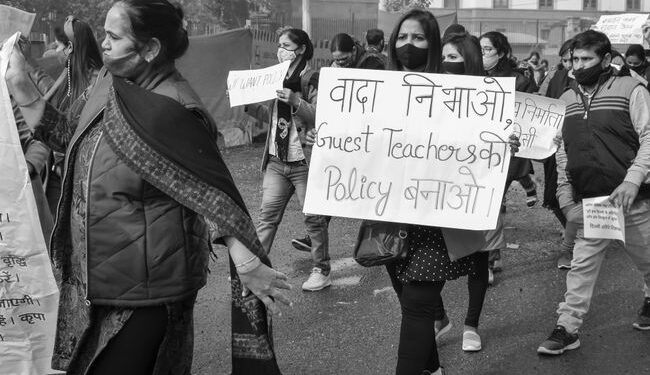
India’s central government has appointed Naresh Pal Gangwar as the new Higher Education Secretary, replacing Vineet Joshi amid ongoing student protests demanding accountability and reform. This significant bureaucratic reshuffle comes at a crucial time as students express discontent over the management of national entrance exams and the evaluation system for the Central Board of Secondary Education (CBSE). Protests have erupted across various campuses, reflecting a growing frustration with perceived inefficiencies and a lack of responsiveness from the education authorities.
Gangwar, who previously served in the Department of Animal Husbandry and Dairying, assumes his role as the Higher Education Secretary during a period of heightened scrutiny of the education system. The protests have disrupted parliamentary proceedings, with opposition parties calling for the resignation of Education Minister Dharmendra Pradhan. The political climate surrounding education in India is fraught with challenges, making the new secretary’s approach critical for the future of higher education governance. His ability to navigate these tensions will be closely monitored, as stakeholders seek assurance that the new leadership will prioritize student needs and institutional autonomy.
Shifts in Higher Education Policy Under New Leadership
The appointment of Gangwar could signal a shift towards more student-centric policies in higher education. Career Ahead’s analysis finds that previous leadership under Joshi faced criticism for failing to address student concerns effectively. With Gangwar at the helm, there is potential for new initiatives that prioritize student needs and enhance transparency in educational governance. This shift is particularly relevant as the Ministry of Education grapples with the demands of a rapidly evolving educational landscape, where student engagement and satisfaction are paramount.
One area where changes may be expected is in the funding allocations for universities. The central government has been under pressure to ensure that financial resources are distributed more equitably among institutions. This could lead to a re-evaluation of how funds are allocated, potentially favoring universities that demonstrate a commitment to improving student outcomes and engagement. According to a report by News18, the reshuffle comes at a time when there is a pressing need for reforms in funding mechanisms to support institutions that prioritize quality education and student welfare.
Moreover, Gangwar’s background may influence his approach to curriculum development and academic freedom. His previous experience in a different department might bring a fresh perspective on interdisciplinary education, which is increasingly important in today’s job market. Universities may see a push towards integrating practical skills with academic knowledge, aligning educational outcomes with industry demands. This is crucial as employers increasingly seek graduates who are not only knowledgeable but also possess the skills necessary to thrive in a competitive workforce.
The Ministry’s responsiveness to student protests and its willingness to engage in dialogue with stakeholders will be pivotal in shaping a more inclusive and effective educational framework.
As the new secretary navigates these changes, it will be essential for university administrators and faculty to stay informed about evolving policies. The direction Gangwar takes in addressing the current challenges could redefine the landscape of higher education in India. The Ministry’s responsiveness to student protests and its willingness to engage in dialogue with stakeholders will be pivotal in shaping a more inclusive and effective educational framework.
Potential Impacts on Academic Freedom and Curriculum Development
The reshuffle in the Higher Education Ministry raises questions about academic freedom within Indian universities. Historically, the relationship between government policies and university governance has been complicated, often leading to tensions over autonomy. With Gangwar’s appointment, there is a concern that academic freedom may be further constrained if policies are implemented that prioritize government oversight over institutional independence. This concern is echoed in discussions among educators who worry that increased regulation could stifle innovation and limit the ability of universities to adapt their curricula to meet the needs of their students.
Career Ahead research indicates that a balance must be struck between accountability and autonomy. Universities need the freedom to develop curricula that reflect their unique contexts and student needs. An overemphasis on government control could stifle innovation and discourage academic inquiry, which are vital for the advancement of knowledge. As noted by K12 Dive, the new secretary’s approach to governance will be critical in determining whether institutions can maintain their independence while still being held accountable for educational outcomes.
Curriculum development could also see a shift towards more vocational and skill-based training. As the job market evolves, universities may need to adapt their programs to prepare students for emerging industries. This is particularly relevant in fields such as technology and healthcare, where practical skills are increasingly valued. Gangwar’s leadership might encourage institutions to collaborate with industry partners to enhance the employability of graduates. This collaboration could lead to innovative programs that not only meet educational standards but also align closely with the demands of the job market.
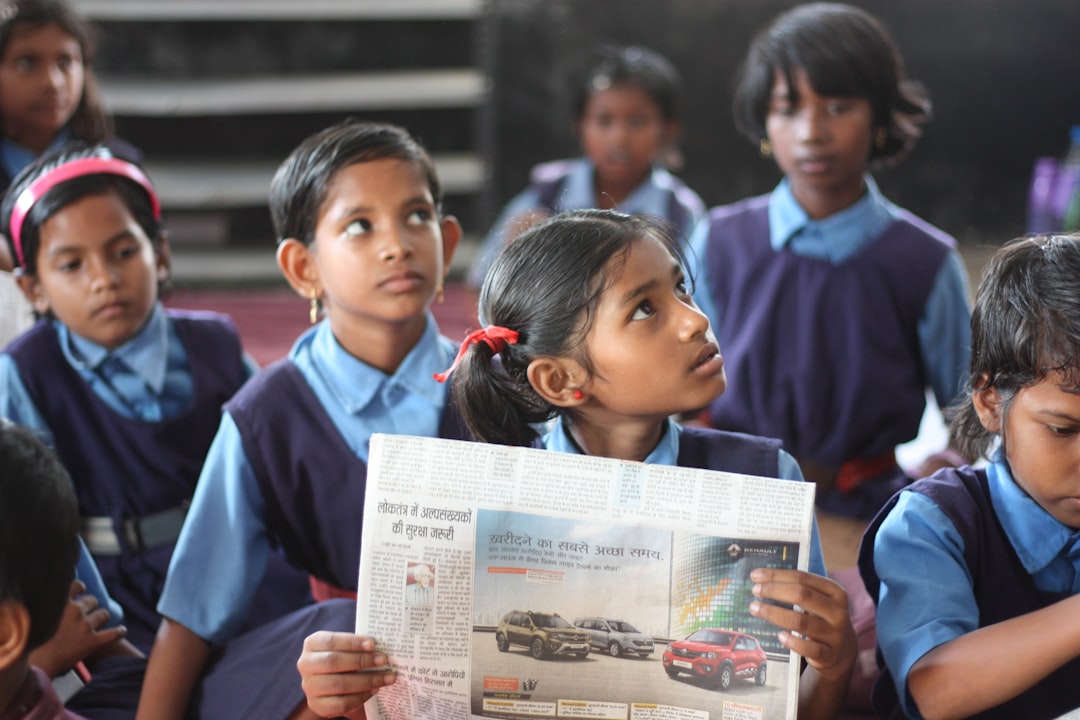
Additionally, the new secretary’s response to student protests will be closely watched. If he engages with student groups and addresses their concerns, it could foster a more collaborative environment between the government and educational institutions. Conversely, a lack of engagement may lead to further unrest and dissatisfaction among students. The ability of Gangwar to bridge the gap between student expectations and government policies will be crucial in determining the effectiveness of his tenure.
The ability of Gangwar to bridge the gap between student expectations and government policies will be crucial in determining the effectiveness of his tenure.
Ultimately, the reshuffle of the Higher Education Secretary is a pivotal moment for Indian universities. The decisions made by Gangwar in the coming months will shape the future of higher education governance, impacting not only funding and curriculum but also the broader educational landscape in India. As the situation unfolds, it will be vital for stakeholders in higher education to monitor developments closely. The response from the new secretary to ongoing student protests and the subsequent policy changes will likely set the tone for the future of higher education in India.
Frequently Asked Questions
What changes can higher education administrators expect from the new secretary?
Higher education administrators can expect potential shifts in funding allocations and curriculum development under the new secretary. Gangwar’s leadership may prioritize student-centric policies and encourage collaboration with industry partners.
How might university faculty members adapt to new policies under the new leadership?
University faculty members will need to stay informed about evolving regulations and engage in discussions with university leadership to ensure academic programs remain relevant. Advocacy for academic freedom and quality education will be crucial.

What should higher education institutions do to prepare for potential policy changes?
Higher education institutions should proactively reassess their governance structures and strategies to align with the government’s vision for higher education. Demonstrating a commitment to student success will be essential for securing funding and support.
Related Articles
- Uttar Pradesh’s Initiative to Support College Girls with Free Scooters
- Harvard Aid Scrutiny Impacts International Students
- NMIMS appoints former ISB professor Sougata Ray as vice chancellor
Written by Career Ahead AI. AI can make mistakes, so verify key facts. Report errors to support@careeraheadonline.com.