No products in the cart.

Hormuz Crude Oil Exports Near Pre-War Levels

The return to pre-war export levels is crucial as it indicates a stabilization in the oil market. Producers and shipping industries have adapted by employing alternative transport methods, such as pipeline exports and ship-to-ship transfers, to circumvent the challenges posed by the conflict. According to CNBC, about 40%…

Crude oil exports from the Strait of Hormuz have mostly returned to pre-war levels. In September 2026, at least 16.5 million barrels per day (bpd) left the region. This recovery is significant, given the disruptions from the ongoing Iran war, which started on February 28, 2026. The Guardian reports that Iran’s control over the strait has weakened. This change has allowed oil exporters to find new routes and methods for transporting crude.
The return to pre-war export levels is important. It shows a stabilization in the oil market. Producers and shipping industries have adapted by using alternative transport methods. These include pipeline exports and ship-to-ship transfers to avoid conflict-related challenges. According to CNBC, about 40% of the region’s crude is now transported without using the Strait of Hormuz. This is a rise from just 17% before the war. This shift improves oil supply chains and changes pricing dynamics.
Impact on Global Oil Prices Due to Increased Supply
As crude oil exports from the Strait of Hormuz stabilize, global oil prices may change significantly. The return of exports to pre-war levels suggests an increase in supply. This typically puts downward pressure on prices. Career Ahead’s analysis shows that the price of Brent crude has recently fluctuated around $100 per barrel. This reflects market reactions to the recovery in exports and ongoing geopolitical tensions. The increase in supply has made the market more competitive, which could benefit consumers in the long run.
However, the recovery faces challenges. Flows of refined products, like diesel, remain limited. This has led to higher prices for consumers. The average diesel price in the UK recently reached an all-time high. This situation highlights the complex relationship between crude oil supply and refined product availability. Energy economists need to monitor both markets closely. Additionally, China’s recent decision to suspend exports of oil products beyond Hong Kong and Macau adds more complexity. This move could tighten global supply further, countering some downward pressure on crude prices. Energy economists must consider these factors when analyzing market trends and price predictions.
In summary, while the return of crude oil exports from the Strait of Hormuz is a positive development, refined product availability and geopolitical factors will still influence pricing. The balance between increased crude supply and constraints on refined products will be critical for future price trends. Stakeholders must stay vigilant in their market assessments.
The balance between increased crude supply and constraints on refined products will be critical for future price trends.
Changes in Shipping Logistics for Oil Transport
You may also like
 Industry & Global Trends
What is happening to the Indian IT bench? | Explained | Career Outlook
India's IT sector is undergoing significant changes in its bench policies, impacting job security and project allocation for IT professionals. Major firms are tightening their…
Read More →The logistics of oil transport have changed significantly due to the ongoing conflict and the recent recovery in exports. Shipping companies have adapted their strategies to navigate the heightened risks in the Strait of Hormuz. Most crude transported through the strait is now carried by a shuttle fleet of very large crude carriers. These ships often sail with their satellite transponders turned off to reduce detection. While this practice helps avoid threats, it raises concerns about transparency and safety in oil transport.
Career Ahead research shows that over 70% of the crude that passed through the strait in August 2026 involved tankers changing ships in the Gulf of Oman. This practice was rare before the war. This adaptation shows the shipping industry’s resilience to geopolitical challenges. However, it also introduces new operational complexities and risks. Shipping companies now need contingency plans for potential disruptions, which can increase operational costs.
Logistics managers must consider these changes in their planning and operations. The increased complexity and higher costs associated with new shipping methods require a reevaluation of logistics strategies. Companies may need to invest in advanced tracking technologies and risk management solutions to ensure safe oil transport. As shipping routes diversify, logistics managers must stay informed about the geopolitical landscape and potential disruptions. The ability to adapt quickly to changing circumstances will be crucial for maintaining efficient supply chains in oil transport.
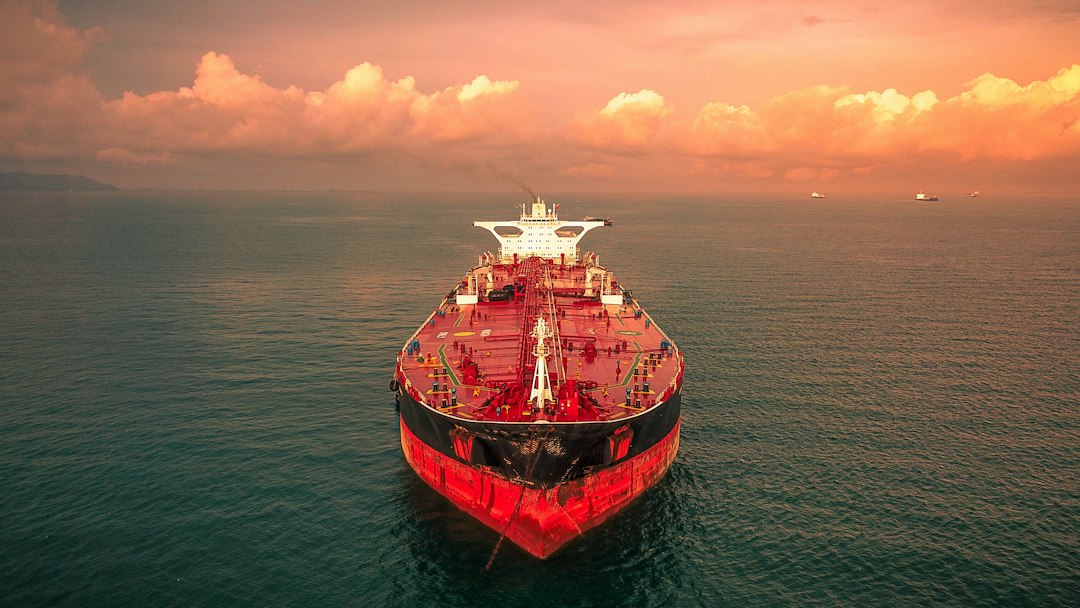
In conclusion, the evolution of shipping logistics in response to the recovery of oil exports from the Strait of Hormuz presents both challenges and opportunities. Understanding these dynamics will be essential for navigating the future of oil transport. As the industry adapts, the focus will likely shift toward enhancing security measures and improving operational efficiencies to mitigate risks from the current geopolitical climate.
Understanding these dynamics will be essential for navigating the future of oil transport.
The stabilization of crude oil exports from the Strait of Hormuz has significant economic implications for energy-dependent countries. Many nations rely heavily on oil imports from this region. The return to pre-war export levels can ease some economic pressures. Countries that depend on stable oil prices will benefit from increased supply, leading to more predictable energy costs. However, persistent constraints on refined product availability, especially diesel, pose risks for these economies. High diesel prices can raise transportation costs, affecting everything from food prices to consumer goods. This situation highlights the need to monitor both crude oil and refined product markets to understand their interconnected impacts on national economies.
You may also like
 Industry & Global Trends
'Fuel, finance shocks hit world economy'
Neelkanth Mishra, World Bank Group Executive Director, discusses the challenges posed by rising fuel costs and tightening financial conditions on global economies, particularly India.
Read More →Moreover, the geopolitical landscape remains uncertain. While the recovery in crude oil exports is a positive sign, underlying tensions in the region could lead to sudden market fluctuations. Energy economists must stay alert to the potential for renewed conflict or disruptions that could impact oil supply and prices. Energy-dependent countries should prepare for ongoing volatility in oil markets. The balance between crude oil supply recovery and refined product constraints will be crucial for shaping economic outcomes in the coming months. This evolving situation presents a complex challenge for policymakers and economic planners, who must navigate the pressures of market recovery and geopolitical uncertainty.
As the oil market dynamics continue to evolve, stakeholders must remain attentive to these developments. The relationship between supply recovery and geopolitical stability will be vital in determining oil prices and the broader economic landscape.
Frequently Asked Questions
What factors influence oil prices after the return of exports?
Career Ahead analysis shows that oil prices are influenced by the recovery of crude exports and the availability of refined products. Increased supply can lower prices, but constraints on refined products like diesel may keep prices high.
Logistics managers should invest in advanced tracking technologies and risk management solutions.
How can logistics managers adapt to changes in oil transport routes?
Logistics managers should invest in advanced tracking technologies and risk management solutions. This will help navigate the complexities of new shipping routes and ensure safe transport amidst geopolitical risks.

What should energy economists consider when analyzing post-war oil market trends?
Energy economists must consider crude oil supply recovery and refined product availability. They also need to account for geopolitical tensions that could impact market stability and pricing dynamics.
You may also like
 Industry & Global Trends
German Economy Growth Shapes Investments, Hiring Trends
Germany's economy is projected to grow by 1% this year, signaling potential changes in investment strategies and hiring trends that business leaders and financial analysts…
Read More →