No products in the cart.

The Impact of US-Iran Negotiations on Oil Market Dynamics
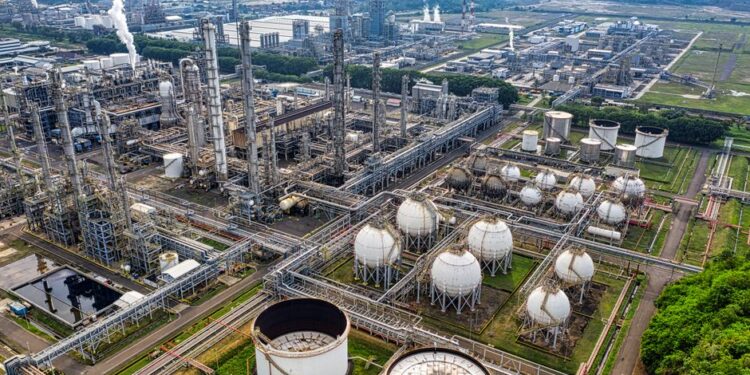
Oil prices have fallen significantly, marking a six-session decline driven by renewed hopes for US-Iran negotiations. This trend highlights the intricate link between geopolitical events and market dynamics, particularly for energy economists and commodity traders.

Oil prices have fallen for six straight sessions. This marks a significant decline as hopes rise for progress in negotiations between the United States and Iran. As of September 23, 2026, Brent crude traded at about $98.32 a barrel. This is the first time it has dipped below $100 in over two weeks. This drop reflects broader market dynamics influenced by geopolitical events and supply chain changes in the Middle East.
The decline in oil prices is notable. It represents the longest losing streak in a year. Reports show that Saudi Arabia has restarted operations at its east-west pipeline. This could increase oil supply and further affect prices. Analysts are closely watching these developments, as they are crucial for the energy market.
Geopolitical Developments and Oil Supply Dynamics
The ongoing negotiations between the US and Iran create a complex backdrop for oil prices. Career Ahead’s analysis suggests that easing sanctions on Iranian oil exports could change global supply dynamics. If these talks succeed, Iran could increase its oil production, adding significant volumes to the market.
According to grandgoldman.com, the market reacts to both the potential for more Iranian oil and Saudi Arabia’s strategic moves. As the largest oil producer in OPEC, Saudi Arabia’s production decisions are key. The recent restart of its east-west pipeline shows a readiness to stabilize prices amid changing global demand.
Additionally, geopolitical tensions in the Middle East have historically driven oil price volatility. Conflicts involving Iran and its neighbors often lead to market speculation. This affects traders’ strategies and investment choices. Energy economists must interpret these events to predict future price movements accurately.
Career Ahead research finds a strong link between geopolitical events and oil prices during uncertain times. Traders and analysts should be alert, as changes in negotiations can cause rapid price shifts. The current landscape suggests that while prices may stabilize for now, the potential for sudden spikes remains due to ongoing tensions.
Given these developments, commodity traders should adopt more dynamic strategies.
Given these developments, commodity traders should adopt more dynamic strategies. By closely monitoring news from the US-Iran talks and Saudi Arabia’s production decisions, traders can better position themselves to take advantage of market changes.
Trends in Oil Price Fluctuations Over the Past Year
The past year has seen considerable volatility in oil prices. This is due to geopolitical tensions, production changes, and shifts in global demand. Notably, Brent crude prices have experienced significant highs and lows. For example, prices surged past $120 earlier this year due to concerns over supply disruptions and increased demand as economies reopened post-pandemic.
However, the recent downturn signals a shift in market sentiment. This is the longest decline in oil prices since August 2025. According to businesstimes.com.sg, this trend may continue if diplomatic efforts succeed. Increased Iranian oil exports could flood the market, leading to further price drops.
Moreover, inflation and rising interest rates globally have also affected oil prices. As central banks, including the Federal Reserve, adjust their policies, the effects are felt across commodity markets. Energy economists are now analyzing how these macroeconomic factors will influence oil prices in the future.

Additionally, the ongoing conflict in Ukraine and its impact on European energy supplies weigh heavily on the market. Many countries seek alternative energy sources amid rising prices, creating uncertainty in oil demand. This uncertainty poses challenges for commodity traders, who must navigate these complexities in their investment decisions.
Career Ahead’s analysis emphasizes the need for agility and responsiveness in trading, especially during geopolitical uncertainty.
As oil prices trend downward, commodity traders must adapt their strategies. In volatile markets, focusing on short-term trading opportunities and hedging against potential losses is essential. By leveraging insights from geopolitical developments, traders can better anticipate market movements and adjust their strategies accordingly.
Strategies for Commodity Trading in Volatile Markets
In light of recent oil price volatility, commodity traders are re-evaluating their strategies. Career Ahead’s analysis emphasizes the need for agility and responsiveness in trading, especially during geopolitical uncertainty. Traders should consider diversifying their portfolios to reduce risks from sudden price swings.
One effective strategy is using stop-loss orders to protect against significant losses. These orders can help traders limit exposure and preserve capital as prices fluctuate. Additionally, options trading can provide flexibility, allowing traders to hedge against adverse price movements.
Staying informed about geopolitical developments is crucial for making smart trading decisions. By following news related to US-Iran negotiations and other relevant events, traders can spot potential opportunities and threats. This proactive approach allows them to react quickly to market changes and optimize their trading outcomes.

Furthermore, collaborating with analysts and using data-driven insights can enhance trading strategies. By leveraging advanced analytics and market research, traders can gain a competitive edge. Tools providing real-time data on price movements, supply chain disruptions, and geopolitical risks are invaluable.
Anticipating price fluctuations based on negotiations and supply chain dynamics will be key for professionals in the energy sector.
Ultimately, current market conditions require a shift in trading strategies. As oil prices remain volatile, traders must adapt by employing innovative approaches and leveraging insights from geopolitical events.
Understanding the link between geopolitical events and oil price trends can help energy economists predict market movements more accurately. Anticipating price fluctuations based on negotiations and supply chain dynamics will be key for professionals in the energy sector.
The outcome of the US-Iran negotiations is uncertain. However, the potential for increased Iranian oil exports could reshape the market. Traders and analysts must stay alert as these developments unfold, ready to adjust their strategies in response to changing dynamics.
Frequently Asked Questions
What factors are influencing current oil prices?
Career Ahead’s analysis identifies key factors influencing oil prices. These include geopolitical tensions, supply chain adjustments, and shifts in global demand. The ongoing US-Iran negotiations and Saudi Arabia’s production decisions are particularly impactful.
How can energy economists leverage geopolitical insights for market predictions?
Energy economists can enhance market predictions by monitoring geopolitical developments, especially those involving key oil-producing nations. Understanding diplomatic negotiations can provide valuable insights into potential price movements.
What strategies should commodity traders adopt in response to falling oil prices?
Commodity traders should focus on agility and responsiveness in their strategies. Implementing stop-loss orders, diversifying portfolios, and using data-driven insights can help traders navigate volatile markets effectively.
Related Articles
- UK Foreign Policy Prioritizes Development and Climate | Career Outlook
Related Articles
Written by Career Ahead AI. AI can make mistakes, so verify key facts. Report errors to support@careeraheadonline.com.