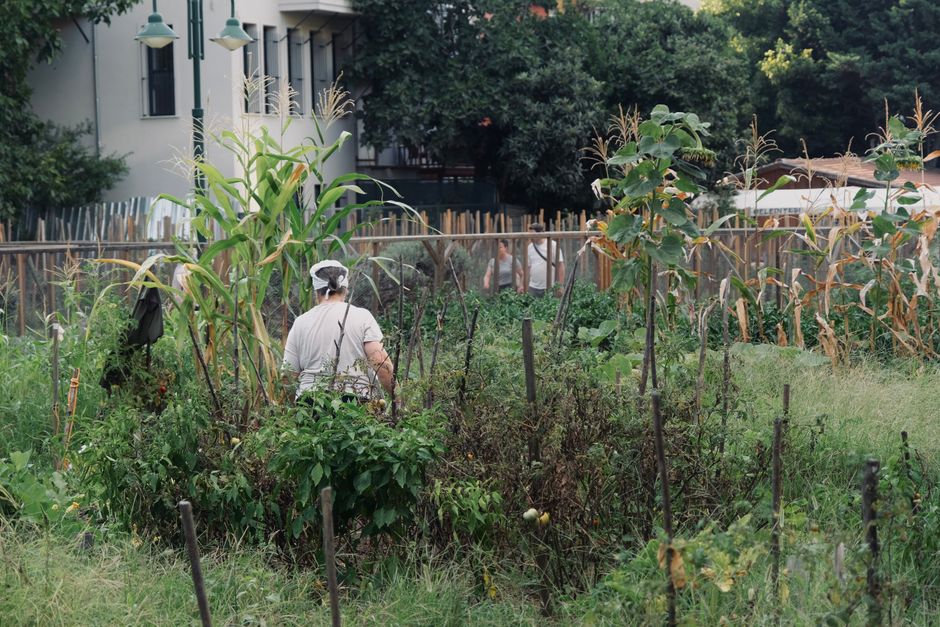
A vandal uprooted a corn garden at the Mis Amiguitos preschool in New York City. This left the young students heartbroken. The incident happened on August 22, 2026. It shocked the community but also gave educators a chance to teach resilience and creativity. As the preschoolers and their teachers dealt with the loss, they turned it into a powerful lesson about hope and community engagement.
The corn garden was planted on a sidewalk plot. It was a project that the preschoolers had nurtured with care. According to hoodline.com, the garden aimed to teach children about nature, responsibility, and teamwork. However, the destruction of their hard work led to a wave of support from parents and local residents. They rallied to help the children cope with their loss.
Transforming Adversity into Learning Opportunities
The educators at Mis Amiguitos saw the vandalism as a chance to engage the children. They discussed community and resilience with the students. Instead of focusing on the negative, teachers encouraged students to express their feelings and brainstorm ways to rebuild their garden. This approach helped the children process their emotions and fostered a sense of ownership towards their environment.
Career Ahead’s analysis shows that integrating real-world challenges into lesson plans can enhance students’ learning. When children confront and discuss setbacks, they develop essential skills like problem-solving, empathy, and adaptability. In this case, the preschoolers learned that while they cannot control external events, they can control their responses and actions.
The community’s support was crucial in this transformation. Local businesses and parents contributed resources and time to help the children replant their corn garden. This collaboration highlighted the importance of community engagement in urban education, where schools face unique challenges. As the children replanted their corn, they restored their garden and reinforced their connection to their neighborhood.
Moreover, educators used this incident to teach lessons on environmental awareness. Students thought about the importance of plants in their community and how they can contribute positively to their surroundings. This shift from loss to learning shows how educators can turn challenges into valuable teaching moments.
By involving parents and local businesses, preschools create a rich learning environment that extends beyond the classroom.
Community Engagement as a Teaching Tool
Engaging with the community is essential for urban preschools, especially in diverse settings like New York City. The vandalism incident at Mis Amiguitos is a case study in how educators can use community support to enhance their teaching. By involving parents and local businesses, preschools create a rich learning environment that extends beyond the classroom.
 Education & University Insights
UGC Opens Applications for Distance Learning Programs for 2027 Session
Institutions can apply between September 1 and September 15 for the January-February 2027 session, with documents due by September 25.
Read More →According to abc7ny.com, the preschool’s owner stressed the importance of community involvement in children’s education. When families and local businesses participate in school activities, they provide resources and model cooperation and resilience for the children. This involvement fosters a sense of belonging and encourages children to take pride in their community.
Preschool teachers can include community challenges in their lesson plans. They can design projects that address local issues. For example, educators can organize clean-up days, gardening projects, or food drives. These activities teach children about social responsibility and help them understand their surroundings better.

Additionally, creative problem-solving can be part of the curriculum. Teachers can promote critical thinking through discussions and activities. After the vandalism, for example, teachers could ask students how they would prevent similar incidents. This encourages children to think critically about their environment and develop actionable solutions.
The incident at Mis Amiguitos shows the power of turning adversity into an opportunity for growth, both for students and the community.
By fostering a culture of community engagement and resilience, preschools prepare children for urban life. The incident at Mis Amiguitos shows the power of turning adversity into an opportunity for growth, both for students and the community.
The Future of Urban Education
The incident at Mis Amiguitos raises important questions about the future of urban education. Schools must adapt to challenges as cities evolve. Educators need innovative ways to engage students and foster resilience, especially in urban areas facing issues like vandalism and limited resources.
 Education & University Insights
How to Weigh Study Abroad’s Personal Value Against Its Cost
Separate personal motivations from institution-level payments before treating study abroad as a simple cost-versus-career calculation.
Read More →Career Ahead’s research shows that adapting to challenges will be key for urban preschools. By integrating community engagement and real-world problem-solving into their curricula, educators empower students to navigate their environments effectively. This approach enhances academic learning and prepares children for social realities as they grow.
Looking ahead, urban preschools must continue building partnerships with local organizations and businesses. These collaborations provide valuable resources and support, helping schools create enriching learning experiences. As seen in the Mis Amiguitos incident, community involvement can turn a negative event into a powerful lesson in resilience and hope.
Ultimately, the story of the vandalized corn garden reminds us that challenges can lead to growth. As preschools embrace these opportunities, they educate their students and strengthen their communities. The question remains: how will urban educators continue to innovate in the face of adversity?
What are effective strategies for teaching resilience in early childhood education?
Frequently Asked Questions
How can preschool teachers engage students in community projects?
Preschool teachers can engage students in community projects by organizing activities like gardening, clean-up days, or food drives. These projects let children contribute positively to their neighborhoods while learning about social responsibility.
What are effective strategies for teaching resilience in early childhood education?
Effective strategies for teaching resilience include allowing children to face challenges, encouraging them to express their feelings, and involving them in problem-solving discussions. Educators can use real-world incidents, like vandalism, as teaching moments to foster resilience.

How should preschool educators respond to vandalism or community disruptions?
Preschool educators should respond to vandalism by using it as a teaching opportunity. They can encourage students to discuss their feelings and brainstorm ways to rebuild or improve their environment, turning a negative experience into a constructive lesson.
Written by Career Ahead AI. AI can make mistakes, so verify key facts. Report errors to support@careeraheadonline.com.