No products in the cart.

How AI Is Reshaping Skills, Hiring, and Education
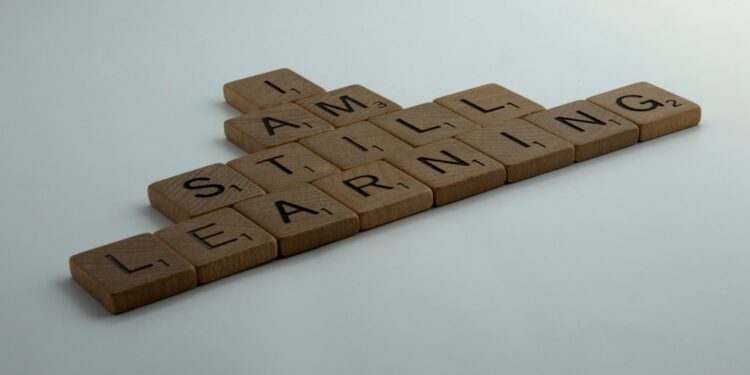
The landscape of work is undergoing a seismic shift, largely driven by advancements in artificial intelligence (AI). As organizations adapt to these changes, they are redefining what skills are necessary for success in the modern job market.

The landscape of work is undergoing a seismic shift, largely driven by advancements in artificial intelligence (AI). As organizations adapt to these changes, they are redefining what skills are necessary for success in the modern job market. This transformation is not merely about technology; it is about how we think about education, hiring, and the future of work itself.
In this evolving environment, traditional job titles and roles are becoming less relevant. Instead, there is a growing emphasis on a skills-based economy, where the ability to learn and adapt is paramount. This change poses significant implications for job seekers, educators, and business leaders alike.
The Shift to a Skills-Based Economy
Experts from Accenture and Wharton highlight that the shift towards a skills-based economy is accelerating due to AI’s influence. The Wharton-Accenture Skills Index reveals a stark contrast between the skills workers possess and those that employers value. As AI continues to evolve, the demand for specialized skills is increasing, while generalized skills are losing importance. This discrepancy is underscored by findings from the Wharton School, which indicate that many workers overestimate their capabilities, leading to a mismatch in the job market.
This gap creates challenges for both job seekers and educators. Many workers claim to have certain skills, but employers often find that these claims do not match actual capabilities. Consequently, organizations are reevaluating their hiring practices to focus more on skills assessments rather than traditional credentials. Companies are now prioritizing candidates who can demonstrate their abilities through practical assessments or project-based work, reshaping educational programs to align with the skills that employers seek.
Companies are now prioritizing candidates who can demonstrate their abilities through practical assessments or project-based work, reshaping educational programs to align with the skills that employers seek.
Moreover, AI-driven tools are changing how hiring processes are conducted. Algorithms can analyze vast amounts of data to identify the best candidates based on skills, experience, and potential fit, moving beyond the limitations of resumes and cover letters. This shift raises concerns about potential biases in algorithmic decision-making, necessitating careful consideration of fairness in hiring practices.
Transforming Education for Skill Development
You may also like
 Entrepreneurship & Business
Startups Captivating VCs at PearX Demo Day
The PearX program is renowned for its selective nature, capping its cohorts at just 20 startups. This approach facilitates focused mentorship and investment opportunities from…
Read More →Education systems worldwide are under pressure to adapt to the demands of the skills-based economy. Traditional educational models often emphasize theoretical knowledge over practical skills. However, as AI transforms industries, there is a growing need for programs that foster critical thinking, problem-solving, and adaptability. Workers will need to continuously upskill and reskill to remain relevant, necessitating a more dynamic approach to education where lifelong learning becomes the norm.
Educational institutions are beginning to recognize this need, incorporating more hands-on learning experiences and partnerships with industries. Coding bootcamps and online platforms are becoming popular alternatives to traditional education, focusing on teaching specific skills that are in high demand. This trend reflects a broader movement towards flexible learning pathways that cater to diverse learning styles and career goals.
Furthermore, collaboration between businesses and educational institutions is essential. Companies are increasingly investing in training programs that align with their specific needs, ensuring that employees are equipped with the right skills to thrive in an AI-driven environment. This approach benefits employers by creating a more skilled workforce and empowers employees by providing them with relevant skills that enhance their career prospects.

Addressing Inequality and Ethical Challenges
Despite the clear advantages of a skills-based economy, challenges must be addressed. One major concern is the potential for inequality in access to skill development opportunities. Not all individuals have the same resources or support to pursue continuous learning, which could exacerbate existing disparities in the workforce. Disparities in access to education and training can lead to significant gaps in employment opportunities, particularly for marginalized communities.
This approach benefits employers by creating a more skilled workforce and empowers employees by providing them with relevant skills that enhance their career prospects.
Additionally, there is an ongoing debate about the role of AI in hiring and education. While AI can enhance efficiency and provide data-driven insights, concerns about bias in algorithms and the potential for overlooking qualified candidates who may not fit traditional profiles persist. Organizations must implement strategies to mitigate bias and ensure that all candidates are evaluated fairly.

Preparing for the Future of Work
The impact of AI on skills, hiring, and education is profound and multifaceted. The shift towards a skills-based economy presents both opportunities and challenges. By understanding these dynamics, individuals and organizations can better prepare for the future of work. For young professionals and job seekers, this transformation emphasizes the importance of being proactive in skill development. Engaging in lifelong learning and seeking opportunities to demonstrate skills will be crucial for success in an increasingly competitive job market.
You may also like
 Entrepreneurship & Business
Founders Face Open vs Closed AI Dilemma
Founders now see that selecting an AI model is more than just a technical choice. It is a core part of their business strategy. The…
Read More →